The Lower East Side and the East Village
The Lower East Side of Manhattan is almost consciously the Jewish area of New York. Today, not many Jews live in the neighborhood, but the significance of the community in the space of southeast Manhattan holds immense cultural importance. The Lower East Side has always been a neighborhood known for immigrant absorption. Immigrants arriving in New York settled here, as living (generally at a very low standard) was affordable for those who could barely afford it.
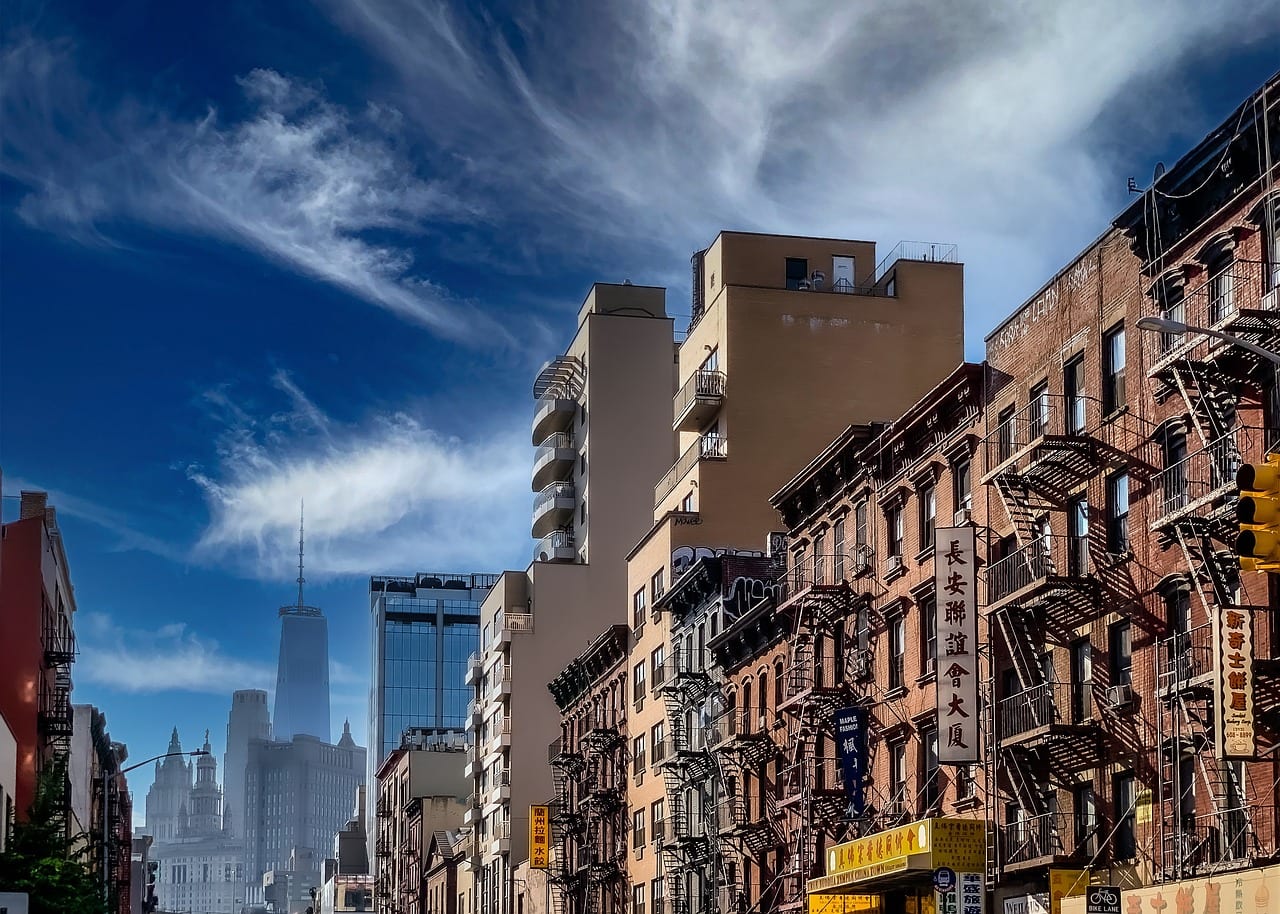
- All the ethnic groups of the Northeast passed through the Lower East Side – Jews, Italians, Russians, Irish, and more.
- Today, the dominant ethnic group in the area is Chinese immigrants, and the evolving Chinatown is continually transforming the character of the neighborhood.
- The Jewish influence on the district still exists in the synagogues that remain, orthodox yeshivas, and especially the deli culture that thrived in the neighborhood.
- A little to the north, the East Village was once considered the worst neighborhood south of Harlem. The Alphabet City, around Tompkins Park, was associated with the hippie culture in the sixties. Later, from the seventies until almost today, it was the place for American punks. Nowadays, this neighborhood is also experiencing rapid gentrification.
Click here for all the information about visiting New York City…
How to get to the Lower East Side of Manhattan?
Several subway lines run through the district. The western part of the district, in Chinatown and Little Italy, is accessible by the green line (4, 5, and 6) and the yellow line (N and Q), with the main station being Canal Street. The eastern part of the district is accessible by lines that climb the Williamsburg Bridge – the orange line (M) from Midtown and the brown line (J and Z) from downtown.
8 Must-See and Do Things in Manhattan's Lower East Side
- Explore Chinatown and the bustling market on Canal Street
- Connect with Jewish roots at the synagogues of the district – Bialystoker, Eldridge, and Angel Orensanz
- Taste classic pastrami at Katz's Deli on East Houston Street
- Trendy shopping on Orchard Street
- Imagine Florence on Mulberry Street in Little Italy
- Return to the horrific living conditions of the 19th century at the Tenement Museum
- History and gentrification at Doyers Street's death bend
- Visit the Old St. Patrick's Cathedral
Click here for a list of 12 great hotels in Manhattan…
Click here to check availability and prices for hotels in Lower Manhattan…
Click here for the full food tour of Chinatown and Little Italy…
Manhattan's Lower East Side Map
Everything to See in the Lower East Side
What is the Lower East Side?
- Traditionally, Manhattan's Lower East Side was part of New York's melting pot. This melting pot was where immigrants from the old world went through the necessary process of leaving the old world behind to become Americans. This process typically took at least a generation, concentrating all the challenges of immigration distress into a few neighborhoods north of Downtown Manhattan. There, in the 19th and early 20th centuries, immigrants gathered with all their cultural traits and the challenges of immigration.
- New York was the gateway for immigrants, passing through the Statue of Liberty and Ellis Island. The Lower East Side was the first home for many of these newcomers and frequently changed the character of its population. In this crowded district, living conditions were tough, and rent prices suited the means of the immigrants. Italians, Irish, Russians, and also many Jews fleeing primarily from Eastern Europe and anti-Semitic Russia in the late 19th century passed through this borough.
Click here for a free guided tour of Downtown Manhattan…
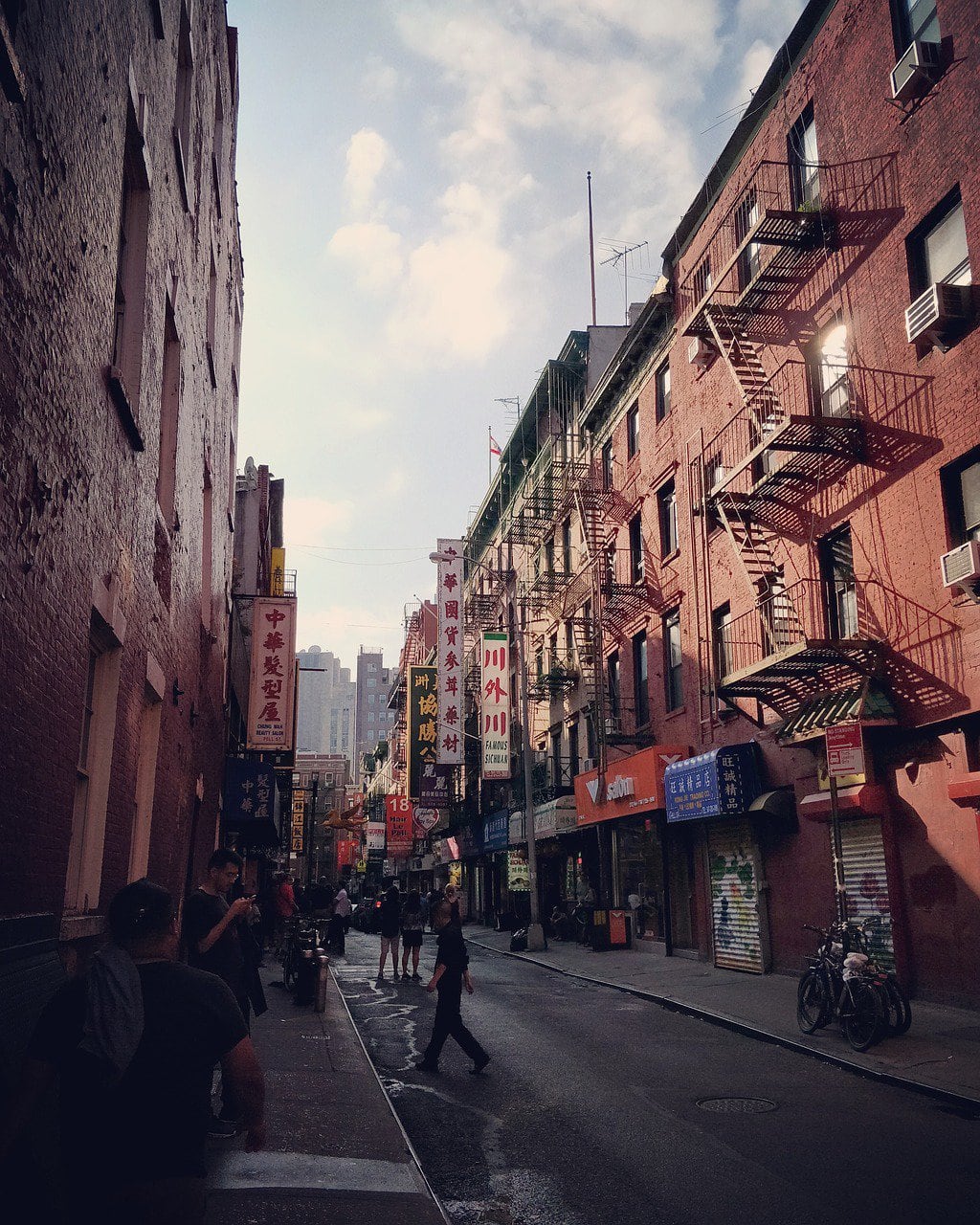
Throughout the Lower East Side, there are features that express the immigrant culture that passed through. Little Italy to this day remains associated with Italian immigrants, although the contemporary newcomers from China are taking over the Italian neighborhood, and it is becoming part of the city's famous Chinatown.
To the east lived the Jews who immigrated from Eastern Europe and Germany, leaving a deep mark on the neighborhood.
Click here for a guided tour of Chinatown and Little Italy…
What is Chinatown?
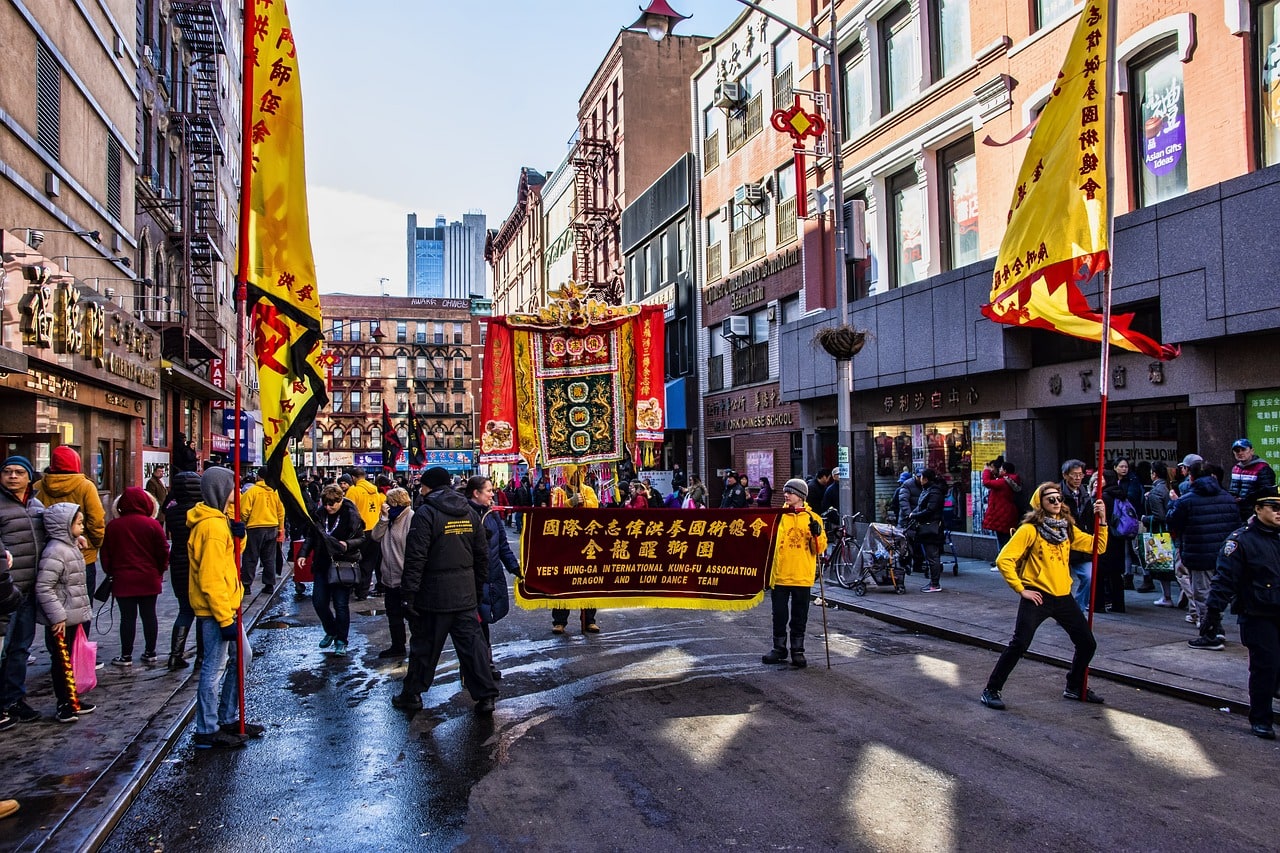
- New York's Chinatown is the clearest testament in Manhattan to the power of immigration to the new land
- The second-largest Chinese neighborhood outside of China (after San Francisco's Chinatown), currently spreading across the Lower East Side
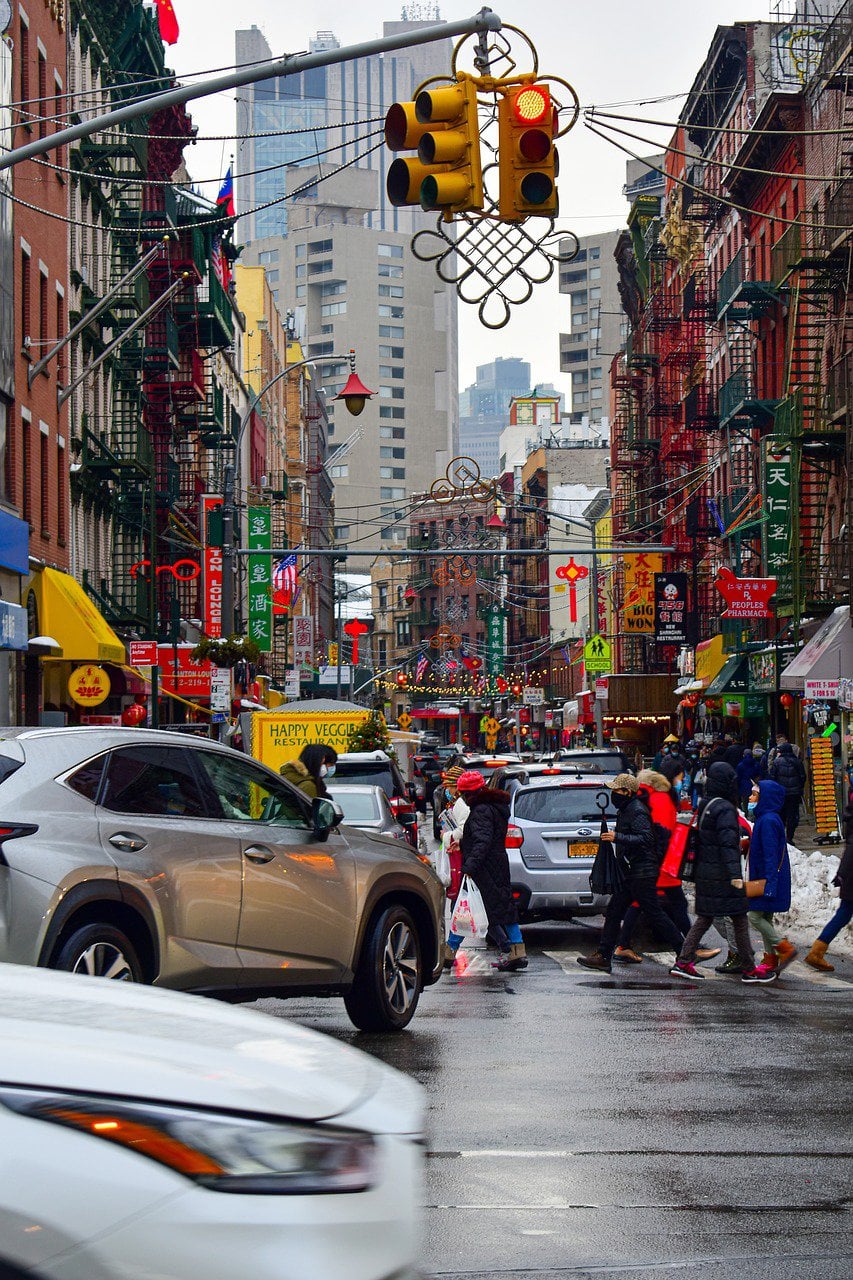
- Chinese immigration transforms the character of the former European immigrant neighborhood, with numerous excellent Chinese restaurants, highly creative culinary Chinese groceries, shops with cheap toys, and a particularly picturesque atmosphere
- Chinatown is home to about 150,000 people, a large part of whom do not speak English and a significant portion are undocumented immigrants
- The traditional boundaries of Chinatown are the square of Canal to the north, Bowery to the east, Worth to the south, and Baxter to the west
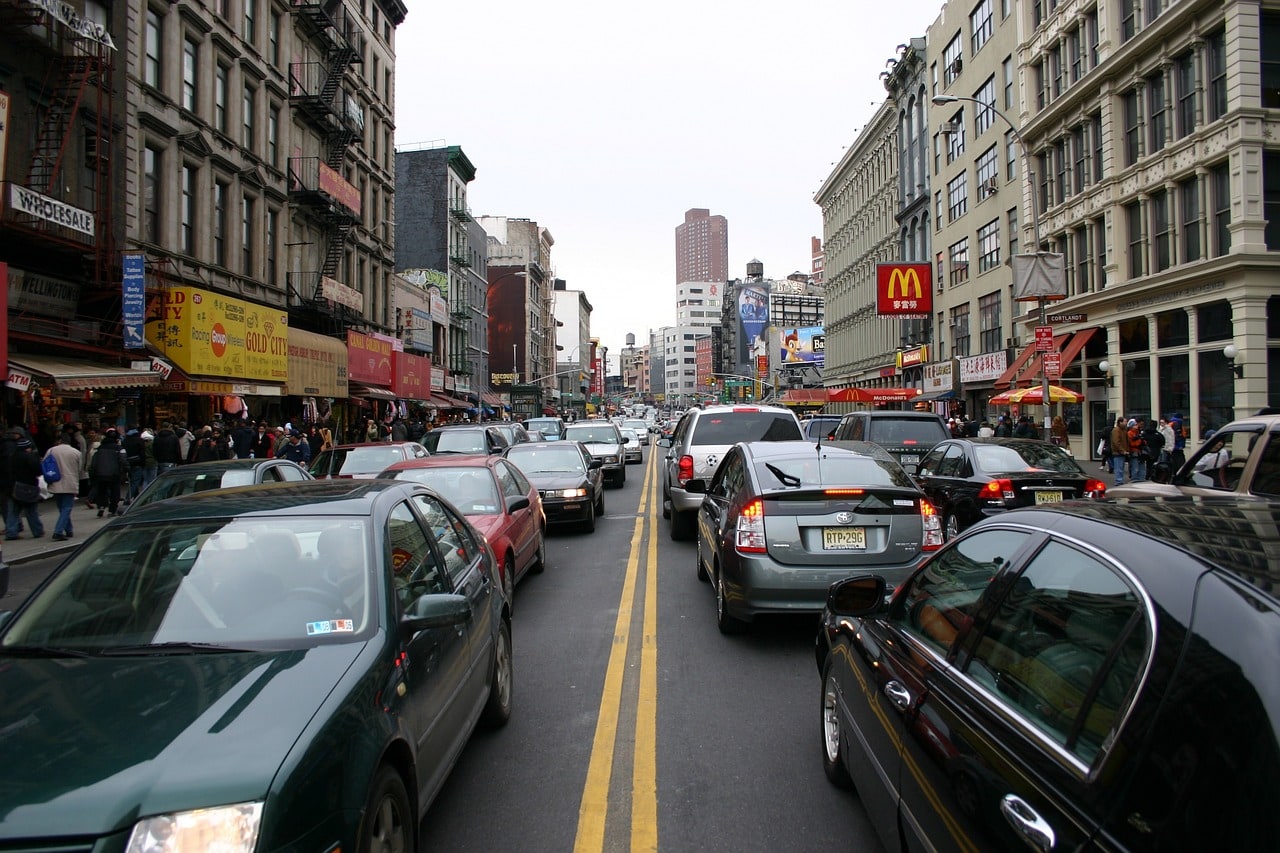
- Today, the neighborhood has expanded beyond these historical boundaries. It engulfs Little Italy north of Canal Street and the streets underneath the Manhattan Bridge ramp
- The neighborhood has also spread westward reaching Broadway, just south of Soho
- The commercial center of the neighborhood is at Canal Street intersecting with Mott, Mulberry, and Elizabeth Streets, known as the Canal Street Market
For a particularly delicious guided food tour in Chinatown and Little Italy, click here…
Dead Man's Curve on Doyers Street and Confucius Plaza
Doyers Street is one of the most shadowed and characteristic places in Chinatown. The street today is pedestrian-only and features many Chinese restaurants and shops on the more authentic and wild side of the neighborhood. At the southern part of the pedestrian street, there's a sharp eastward bend known as a spot where gang score-settling took place in early 20th-century New York, primarily during clashes between Italian and Irish immigrant gangs. At the end of the street is a large plaza formed between Bowery Street to the west and the ramp leading up to the Manhattan Bridge. The plaza is known as Confucius Plaza. This plaza provides relatively open space compared to the dense neighborhood, and it is home to a statue of Confucius.
Columbus Park
Just west of Duane Street were once the tenements of the Five Points, at the southern end of Mulberry Street. These tenements were particularly grim, with a lot of prostitution activities, gangs, poverty, and crime. The melting pot of Manhattan and all of America was based on the unsuccessful assimilation of the Lower East Side populations, and those who managed to survive and leave the neighborhood underwent a transformation to become fully American. These tenements were demolished, and Columbus Park was built in their place. Today's park is a relatively open space in the dense area of Chinatown, with basketball courts and a touch of greenery.
The Firehouse on Lafayette Street 87 .Lafayette St
One of the most beautiful buildings in the Lower East Side is located at 87 Lafayette Street. The building was formerly a firehouse built in 1895. The firehouse architecture is inspired by rustic French construction with an impressive sloped roof and large windows.
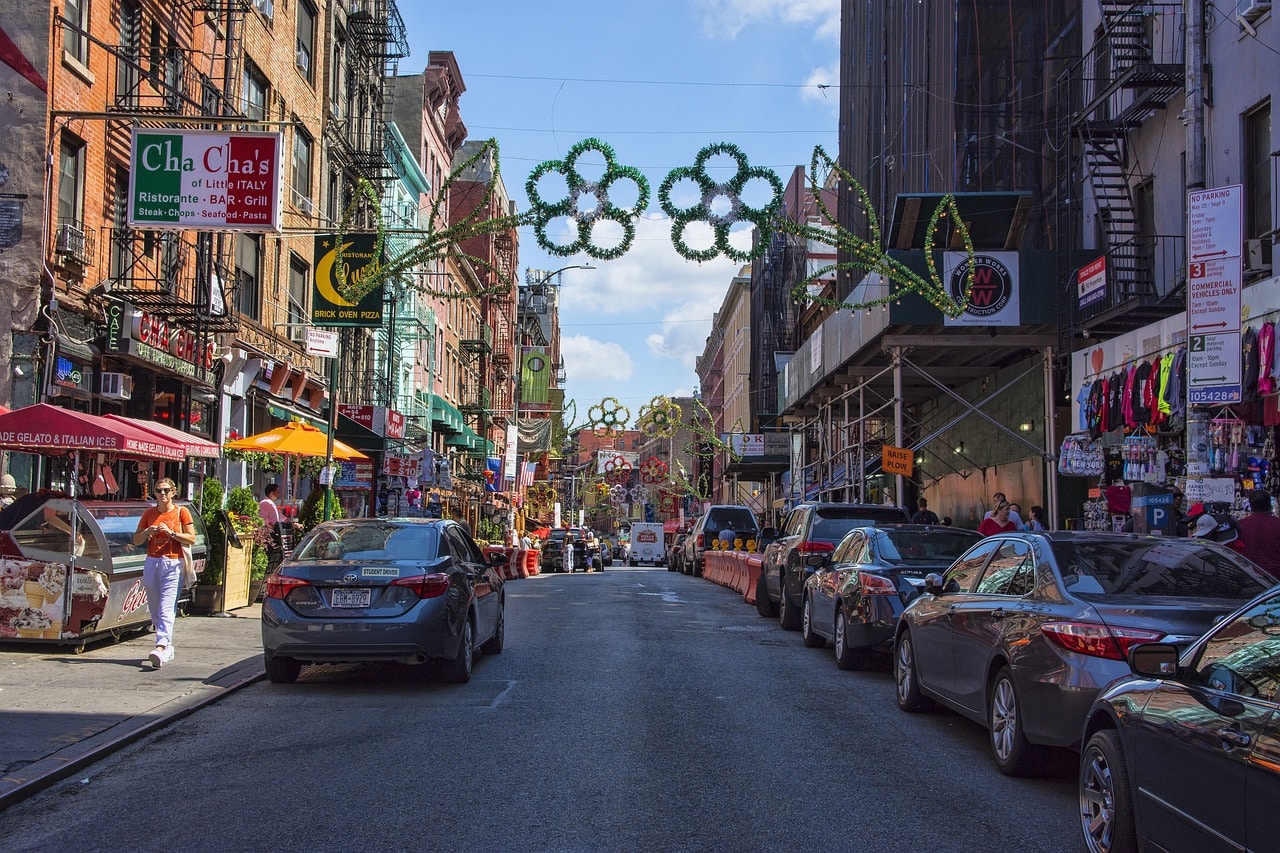
Little Italy
New York's Little Italy is a small neighborhood that still manages (with great difficulty) to preserve the cultural characteristics of Italian immigrants. The neighborhood was once the place where Italian immigrants settled on the Lower East Side (west of where the Jews settled), in the northern block between Canal Street and today's NoLIta (north of Little Italy).
Today, the entire southern part of this small neighborhood is effectively part of Chinatown. But the Italian spark is still kept alive in the block between Grand Street and Broome Street, especially on Mulberry Street that stretches between them. In this section, there are quite a few Italian restaurants, some good ones, but for most… you'd be better off eating at a nearby Chinese restaurant. The streets still maintain their Italian character, with the flag colors and cultural elements of the Italian peninsula. In Mulberry, they celebrate every September the Festa di San Gennaro, a festival that celebrates and tells the story of the Italians' immigration to America.
To join a pizza tasting tour in Lower Manhattan, click here…
Bowery Savings Bank Building
An enormous and very impressive neo-classical building that seems completely disconnected from the Lower East Side. The building was constructed in 1895 for the Bowery Savings Bank during a time when there was hope that the neighborhood would attract a respectable population. Over the years, this rare architectural gem stood in the heart of the district among the dense apartment buildings, like a surrealistic white elephant.
Nolita
The neighborhood north of Little Italy was originally part of the Italian immigrant area, but as the population moved to Brooklyn and Queens, the homes in North Little Italy became particularly rundown and poor. During the 90s, the vacated homes became popular with wealthy young people who quickly gentrified the area. To differentiate themselves from the Italian neighborhood, they called it Nolita (North of Little Italy), following the trendy abbreviation pattern of SoHo or Tribeca.
The Basilica of St. Patrick's Old Cathedral
The first Catholic cathedral (seat of the bishop) of Manhattan was located in this beautiful church in the northern part of Little Italy. The church is just adjacent to the more attractive parts of SoHo but technically considered part of today's Nolita district. The church's construction was completed in 1815, but it suffered extensive damage in a fire that broke out in 1866. Since then, the church has been rebuilt and renovated, but in 1910 the bishop's seat moved to Midtown to the new St. Patrick's Basilica on Fifth Avenue. Since then, the old cathedral has remained a church serving the local Catholic community.
The Police Headquarters Building
The Police Headquarters building (240 Centre St., New York) is an impressive structure built in 1909 to impose order in the troublesome area. Suitably located, the headquarters itself is part of the problematic district's history. The headquarters was rife with corruption and bribery among officers, especially during the Prohibition era in the 1930s when the entire district was awash with alcohol, and the police hardly posed any challenge to the neighborhood's crime. The building is very impressive with an elongated dome in a Neo-Renaissance style, fitting well with the government buildings in the USA. Today, the police headquarters have left the area, and the building houses luxurious residential apartments.
The Angel Orensanz Foundation Institution
The Angel Orensanz Foundation building was once one of the oldest synagogues in the Lower East Side and all of New York. The synagogue was built in 1849, designed by the German-Jewish architect Alexander Saeltzer. The synagogue's interior was as high as 15 meters and could accommodate nearly two thousand people. Today, the beautiful facade remains, along with many parts of the impressive interior.
Address: 172 Norfolk St., New York
Eldridge Street Synagogue – Museum at Eldridge Street
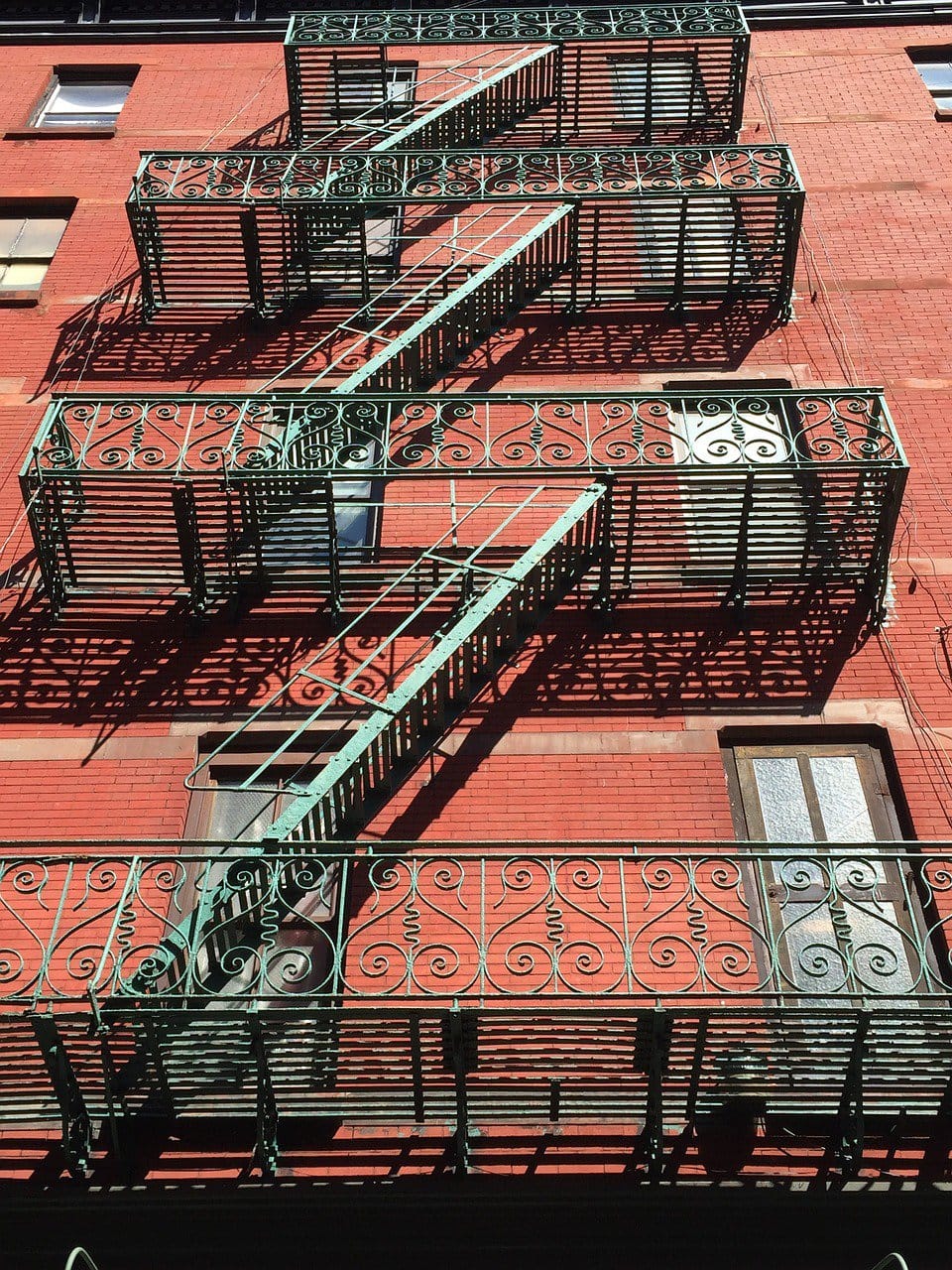
The central synagogue of the Ashkenazi community of the Lower East Side is one of the most impressive buildings in the neighborhood. It is located on Eldridge Street, adjacent to the east of the Manhattan Bridge ramp. The synagogue's facade is one of the most beautiful in the Lower East Side, with Oriental design and a giant rosette window. The facade is a striking contrast to the classic neighborhood houses nearby, which are dark red and brown, about five stories high, and have fire escapes.
Click here to purchase online tickets for the Synagogue Museum…
The synagogue was built in 1887, but by the 1930s it was closed as the Jewish community left the neighborhood. In 2007, after a lengthy preservation process, it reopened as a museum displaying original synagogue artifacts and, of course, explanations about the Jewish community of the Lower East Side. The synagogue's interior is renowned for its stunning stained glass windows.
Address: 6 Eldridge St., New York
Click here for all the information about the synagogue/museum opening hours…
The New Museum of Contemporary Art
The new museum of contemporary art is located in a unique and modern building made up of six concrete boxes looming over the street, seemingly uncoordinated with one another. Yet, the way these boxes are arranged gives a sense of tranquility and assurance that they won't collapse onto the street but rather present a more complex and pleasing asymmetry to the eye. Besides the charming view of the structure above the important Bowery avenue of the Lower East Side, the interior space offers a shifting experience of postmodern art. The museum does not have a permanent collection, but instead constantly rotates exhibitions of contemporary artists, complete with all the effects and pyrotechnics of the era.
Address: Bowery 235, New York
Click here for all the information on opening hours and ticket purchases to enter the museum…
Tenement Museum
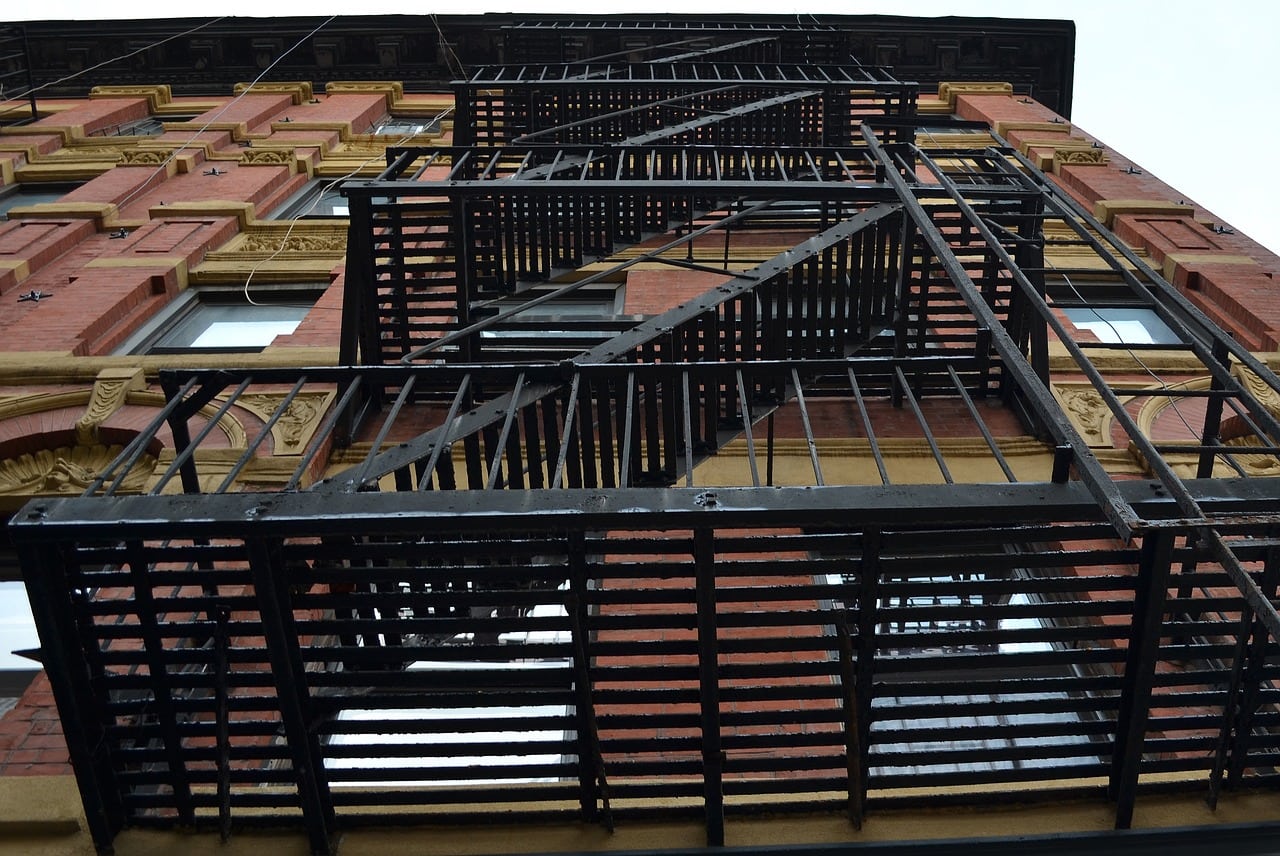
A small, charming museum recreating the living conditions of the Lower East Side during its infamous heyday. The interior reconstructs the apartments and living spaces of the neighborhood from past centuries, illustrating the congestion and sanitation issues that plagued the area at the end of the 19th century.
Address: Bowery 235, New York
East Houston Street
The eastern part of the important Houston Street is the border line between the Lower East Side to the south and the East Village to the north. The street crosses all of Manhattan from east to west, with Broadway in Soho being the border between East Houston and West Houston. East Houston Street is the central commercial heart of the Lower East Side and home to some of New York's most significant Jewish culinary institutions. The most famous among New York's delis is Katz's Delicatessen, located at 205 E Houston St, New York. It is a legendary spot specializing in Reuben sandwiches, pastrami, and sausages, for more than a hundred years. The delicatessen is one of the most famous in all of New York and a huge attraction for all gourmet lovers who want to experience the flavors of times gone by.
Two blocks west, you'll find another important Jewish culinary institution – Yonah Schimmel's Knish Bakery, located at 137 E Houston St., New York. The bakery has been thriving on the street for nearly a century and is a slice of vintage charm. Meanwhile, the street also welcomes modern culinary establishments, creating an intriguing mosaic of the new and old, as part of the neighborhood's gentrification process.
Click here for the Ultimate New York Sandwich Tour…
Essex Market
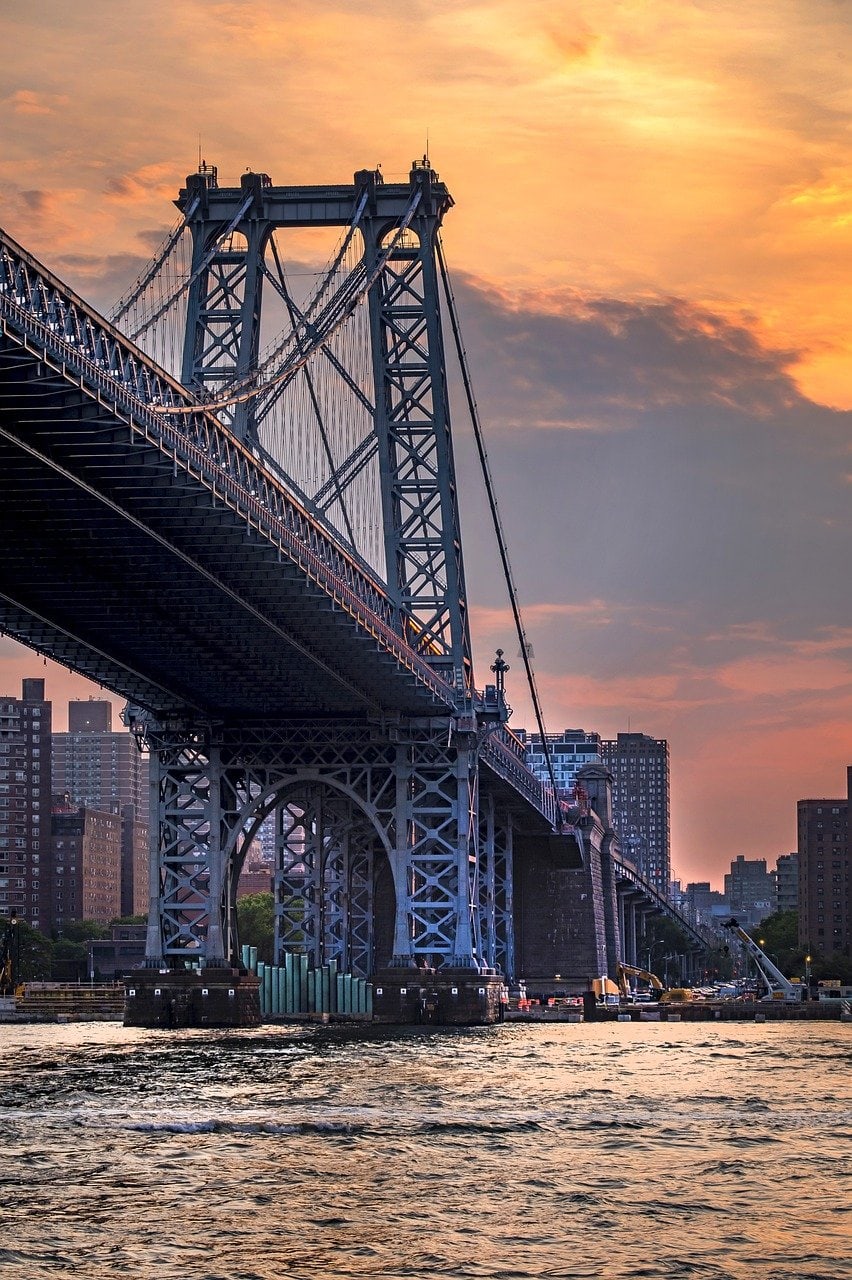
A large retail market on Essex Street in a giant building near the intersection with Delancey Street. The market is Mayor Fiorello LaGuardia's solution to the district's street vendor problem. In the 1930s, illegal vendors sold their goods in carts along the district's streets, mainly on Orchard Street. LaGuardia allowed them to sell legally in a structure that was inaugurated in 1938. The market shops are pure vintage of businesses from the past, with new businesses opening as part of the district's gentrification.
Address: Delancey St. 116-120, New York
Click here for a guided tour following the food of the Lower East Side…
Orchard Street
One of the legendary streets of the Lower East Side. The street is named after the orchard on James De Lancey's estate, who owned the lands of the district even before New York's urban development during the 18th century. In the neighborhood's heyday, the street was the commercial center bustling with vendors, carts, noise, and scents, all seasoned with Yiddish. Today's Orchard has undergone full gentrification and is filled with restaurants, trendy bars, galleries, and boutique shops.
Click here for a street food tour in the neighborhoods of the Lower East Side…
Bialystoker Synagogue
One of the most famous synagogues in the Lower East Side initially began as a church building. The synagogue is situated not far from the Williamsburg Bridge entrance ramp, in the eastern part of the district. In 1905, Jewish-Polish immigrants from Bialystok purchased the church building and converted it into the community's synagogue. The interior and facade feature a striking blend of Christian elements adapted for Jewish worship.
Address: Willett St. 7, New York
Click here for the Great Bagel Tour in the Lower East Side, tracing the ultimate Jewish food…
Williamsburg Bridge
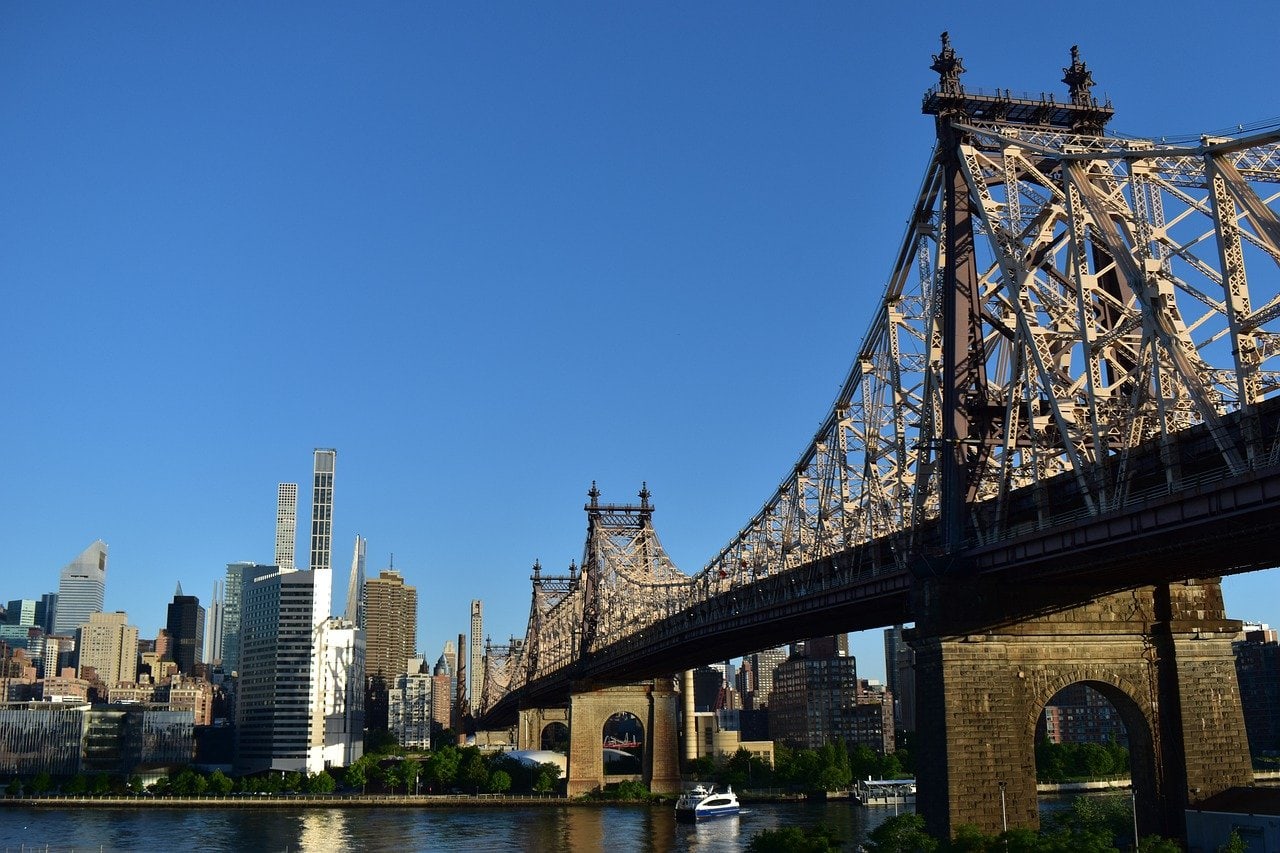
Today's Lower East Side of New York is nestled between two giant ramps leading to the suspension bridges over the East River. From the south, the Manhattan Bridge starts to rise from the eastern end of Canal Street, the heart of Chinatown. To the north, the Williamsburg Bridge begins its ascent from the eastern segment of Delancey Street. The construction of the ramps changed the district's appearance, and today, they serve as a major transportation artery connecting Manhattan with Brooklyn across the river.
The Williamsburg Bridge connects Lower Manhattan with the Williamsburg neighborhood in North Brooklyn. It's worth crossing the bridge just to taste the legendary steaks at Peter Luger Steak House, located right off the bridge's exit on Brooklyn's Broadway.
The suspension bridge was built in 1903 and was considered the longest suspension bridge in the world at that time. The length of the bridge is 2.2 kilometers, slightly longer than its two more popular siblings to the south, Manhattan Bridge and Brooklyn Bridge. The bridge accommodates subway lines, vehicles on 4 lanes on each side, and passage for pedestrians and cyclists.
The East Village
The East Village was originally the country residence of the Dutch governor of New Amsterdam. In 1651, Petrus Stuyvesant purchased the lands and bequeathed them to his descendants. It wasn't until the 19th century that the family began selling the lands for residential purposes. The area was primarily settled by German immigrants who built Klein Deutschland, a place that has since transformed with Ukrainian immigrants and is now called the Ukrainian Village.
To the west of it is the Bowery neighborhood and the NoHo neighborhood – the northern counterpart of SoHo. To the east, around Tompkins Park, lies Alphabet City, New York's urban punk space, which used to be one of the worst places in the city, dominated by the Hells Angels. Today, the neighborhood, like all neighborhoods between Midtown and Downtown Manhattan, is undergoing gentrification, with trendy clubs and boutique shops being built on the foundations of the punk's grimy haunts.
Click here for a foodie's tour of the East Village restaurant scene…
Tompkins Square Park
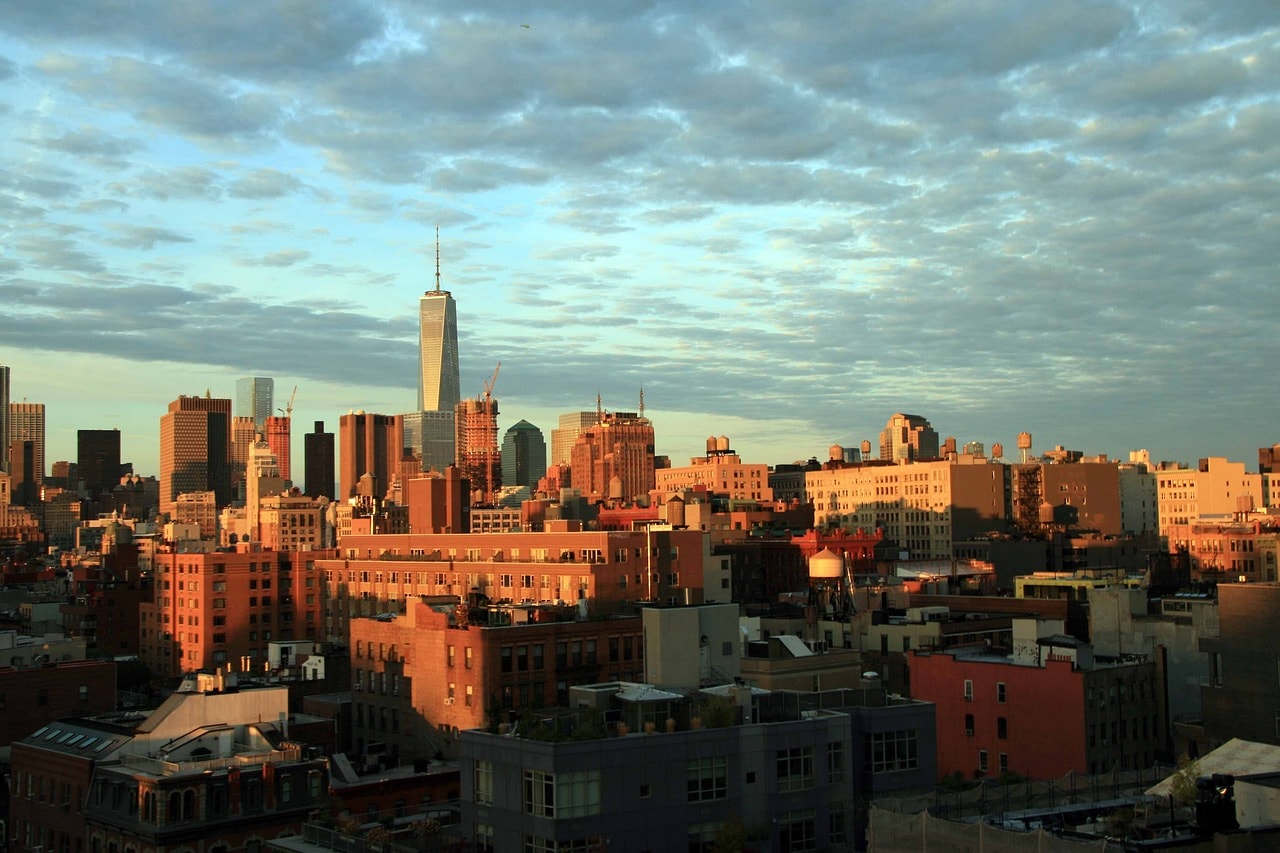
The legendary Tompkins Park is located in the western part of Alphabet City, in a square block bordered by Avenue A to B and East 10th to 7th Street. The park is one of four parks initiated by the Dutch Stuyvesant family dynasty when they planned to sell their lands and wanted to attract a wealthy population. The parks include Stuyvesant Square Park, a bit north in Gramercy Park, Washington Square Park to the west (where New York University is), and Union Square.
Tompkins has always been associated with Alphabet City. In the sixties, it was the place for hippies in New York, but later the park darkened with the punk culture of the seventies, and until a few years ago, it was a place you really didn't want to go. As the neighborhood changed, the park also became more visitor-friendly.
Saint Mark's Church in the Bowery
The church is one of the oldest remaining in New York. St. Mark's Church was built in 1799 and is the burial site of Peter Stuyvesant, the Dutch landowner who owned all the land in the village. The church is located at the intersection of East 10th Street and Second Avenue, now in the heart of the Ukrainian Village.
NoHo Neighborhood
The NoHo neighborhood is the northern (and less popular) sister of SoHo. The name of the neighborhood means the same as its sister from the south, only north instead of south of Houston Street – North of Houston Street. The heart of the neighborhood is central Lafayette Street, which runs south to Lower Manhattan and City Hall Park, New York's governmental center. The neighborhood's centers are Cooper Square and Astor Place, at the northern end of Lafayette Street at the intersection with Third Avenue.
The Cooper Union
The magnificent public building at the heart of Cooper Square is home to the free college initiated and built by Peter Cooper, the father of America's railway development. The college is still active, offering free education and is considered one of the most sought-after in the USA for studies.
The Public Theater
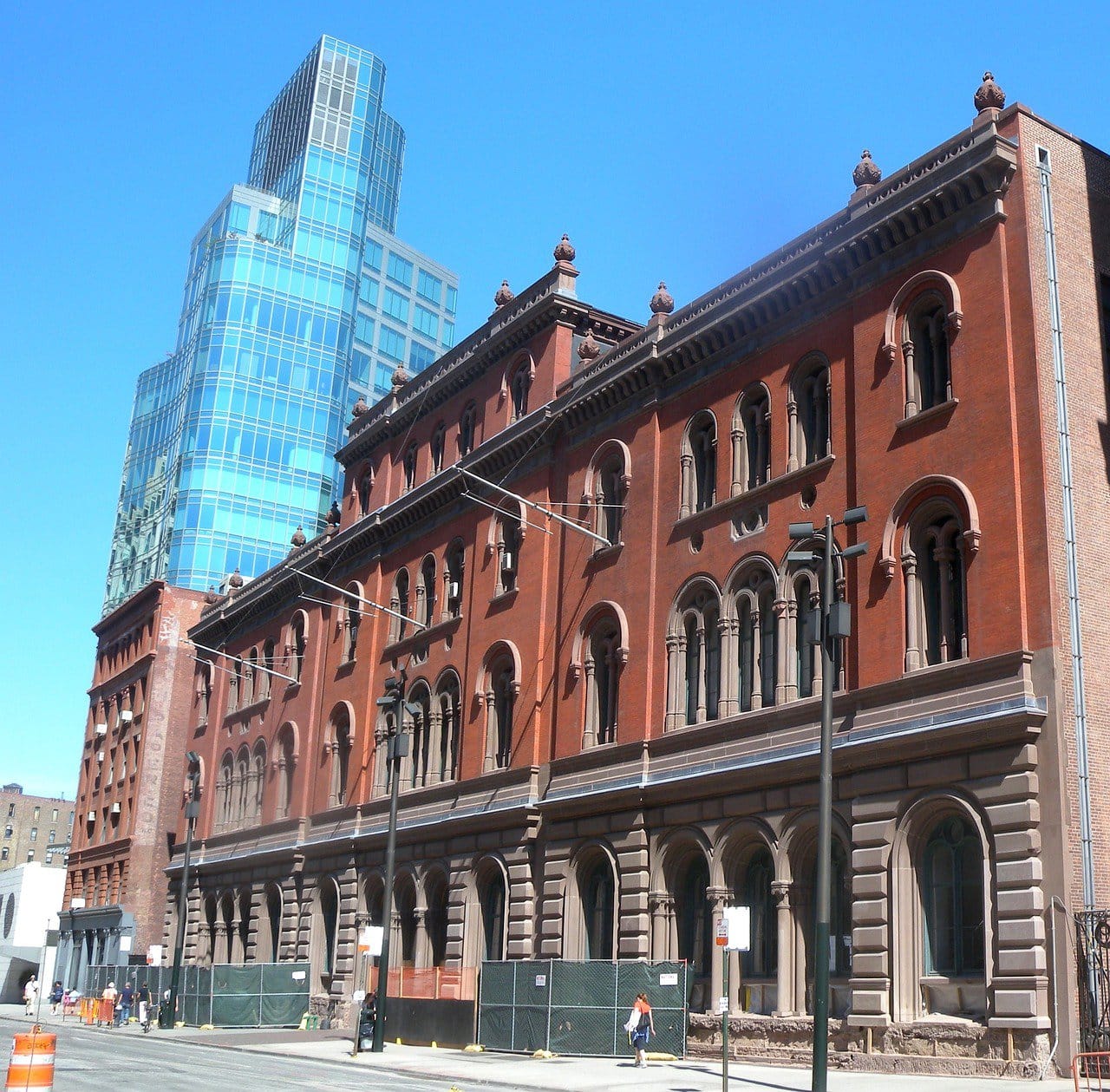
The public theater is a large building located near Astor Place on Lafayette Street. The big red building was originally built in 1849 as a library that lent its books for free to the local residents. Over the years, the library was neglected, and in the mid-1960s, it was converted into a theater building and underwent extensive renovation. Today, the place has returned to being a library and is a branch of the New York Public Library.
Bayard–Condict Building
The important historical building is located in the southern part of the neighbourhood on Bleecker Street, number 65. The building is considered one of the most significant in the region's architectural history due to the design of architect Louis Sullivan, one of Chicago's leading skyscraper architects (the origin of the term skyscraper) and mentor to Frank Lloyd Wright. Above the church floor, there are Art Nouveau decorations etched into the structure. Above that is a Chicago-style skyscraper that clearly illustrates how the concept transitioned to New York.