The Rocky Mountains and Great Plains Parks – A Circular Route from Chicago
The monumental travel route starting from Chicago to the Rocky Mountain National Parks offers a chance to experience the Midwest at its finest. The journey begins in the magnificent heart of the Midwest, a city of culinary delights and skyscrapers perched on the shores of Lake Michigan. From there, you travel west, crossing the Mississippi River and diving into the Great Plains. With the rise of the Rocky Range are iconic American sites, the most notable being Mount Rushmore, the giant sculpture of four U.S. presidents turned into an icon. From Mount Rushmore, the route continues to Yellowstone National Park, the father of American nature preservation culture. From Yellowstone, head south through Grand Teton Park to the high peaks of the Rockies in Colorado and return to civilization in the city of Denver. From Denver, travel east again across the Great Plains on a southern path, crossing the Mississippi in St. Louis, and back to Chicago.

The western trip itinerary from Chicago includes the following parks and cities:
- Travel Days 1-2: Chicago
- Travel Days 3-4: Badlands National Park, Mount Rushmore National Memorial, Black Hills National Forest, and Devils Tower
- Travel Days 5-6: Yellowstone National Park
- Travel Day 7: Grand Teton National Park
- Travel Days 8-9: Rocky Mountain National Park
- Travel Day 10: Denver
- Travel Day 11: The Great Plains and an overnight stop in Kansas City
- Travel Days 12-13: Return to Chicago via Saint Louis
The itinerary must be done by car and includes long drives
Click here for all information on car rentals in the USA + helpful tips and big discounts…
Click here for professional trip planning…
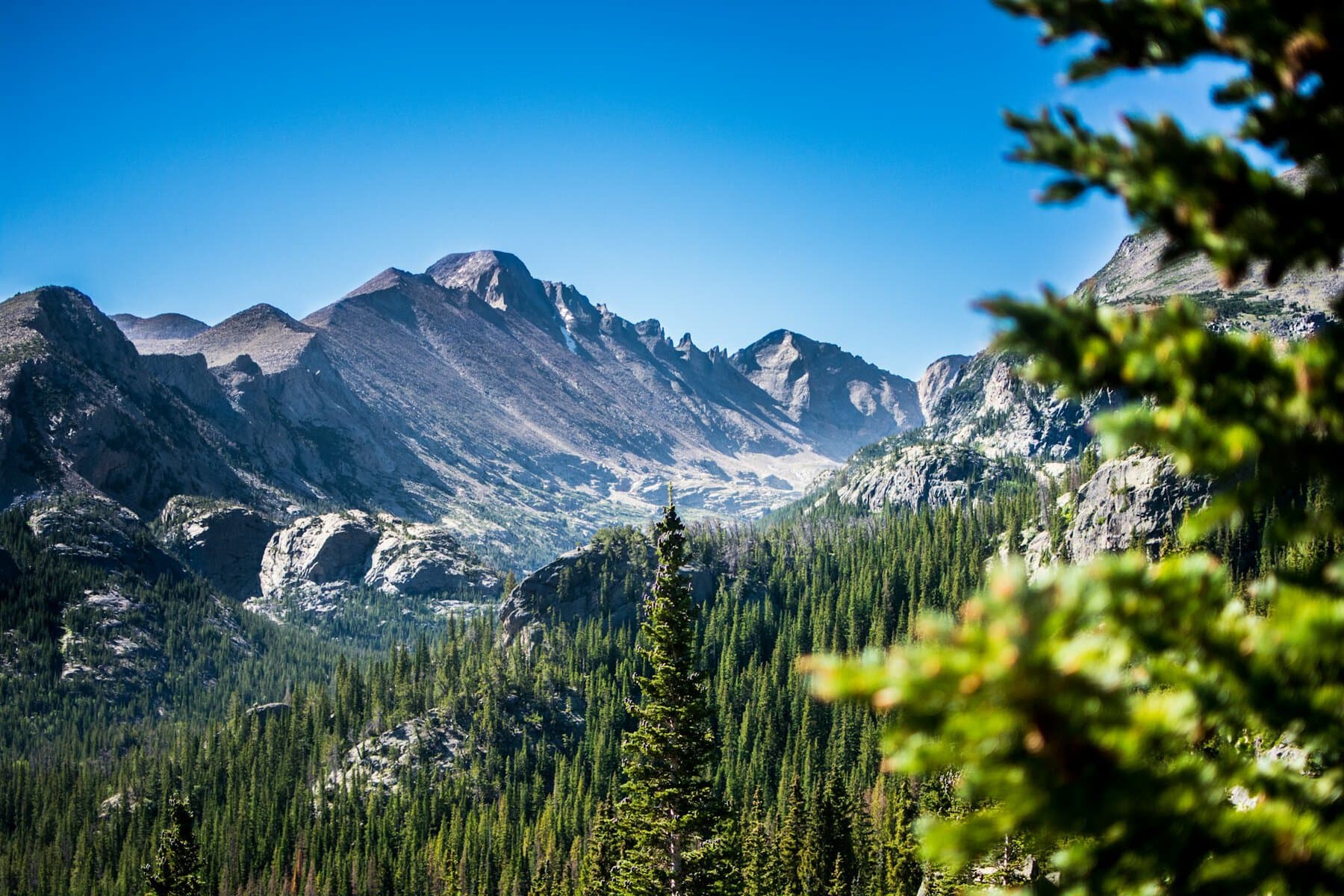
How to Get to Chicago?
Chicago O'Hare International Airport (ORD) – The largest airport in Chicago, it's one of the world's biggest and busiest airports. O'Hare is the main hub for United Airlines and a secondary hub for American Airlines. Previously considered the largest and busiest airport globally, it now ranks fourth after three other American airports (Atlanta, Dallas-Fort Worth, and Denver). It's located at the northwest edge of the city center, a twenty-minute drive from downtown.
O'Hare has three terminals connected to each other and linked by an internal light rail line. Chicago's airport is well connected with all major airports in the USA, key ports in Europe, and also with Ben Gurion Airport. You can easily reach the city via a transfer in Europe or direct flights with American Airlines. The access from the airport to the city center is via the blue L line, which arrives in the Loop.
Click here to search for flights to Chicago airports…
Map of the route from Chicago to the Rocky Mountains National Parks
When is the best time to take the route from Chicago to the Rocky Mountains National Parks?
Yellowstone National Park is located in the more northern part of the Rocky Mountain range, at an impressive height of over 2000 meters. Due to the altitude and snow deposits, the park is not accessible at all during the winter months, and during transition months, it remains frozen while still active.
- The best month for the grand road trip from Chicago is June. This month combines all the advantages of weather that can still be cool and the late sunset, allowing more travel each day. In June, you can still see the spring bloom and crops in the Great Plains and parks, animals heading to pasture fields, and massive flow in the rivers and streams.
- The summer months in the Great Plains and the Rocky Mountains are perfect weather-wise but challenging in terms of crowding in the national parks. July and August are the peak tourist season when it's best to head early to the parks because there are jams in Yellowstone and Rocky Mountain Park. In summer, it's also tough to find accommodation, so it's advisable to book hotels in advance in Yellowstone, near Mount Rushmore, and in Estes Park.
From mid-September to mid-April, temperatures in large parts of the route start to drop towards freezing. In winter and early spring, hiking in the national parks in the high ridges is nearly impossible. Additionally, major cities like Chicago, Denver, and St. Louis are snowy and frozen.
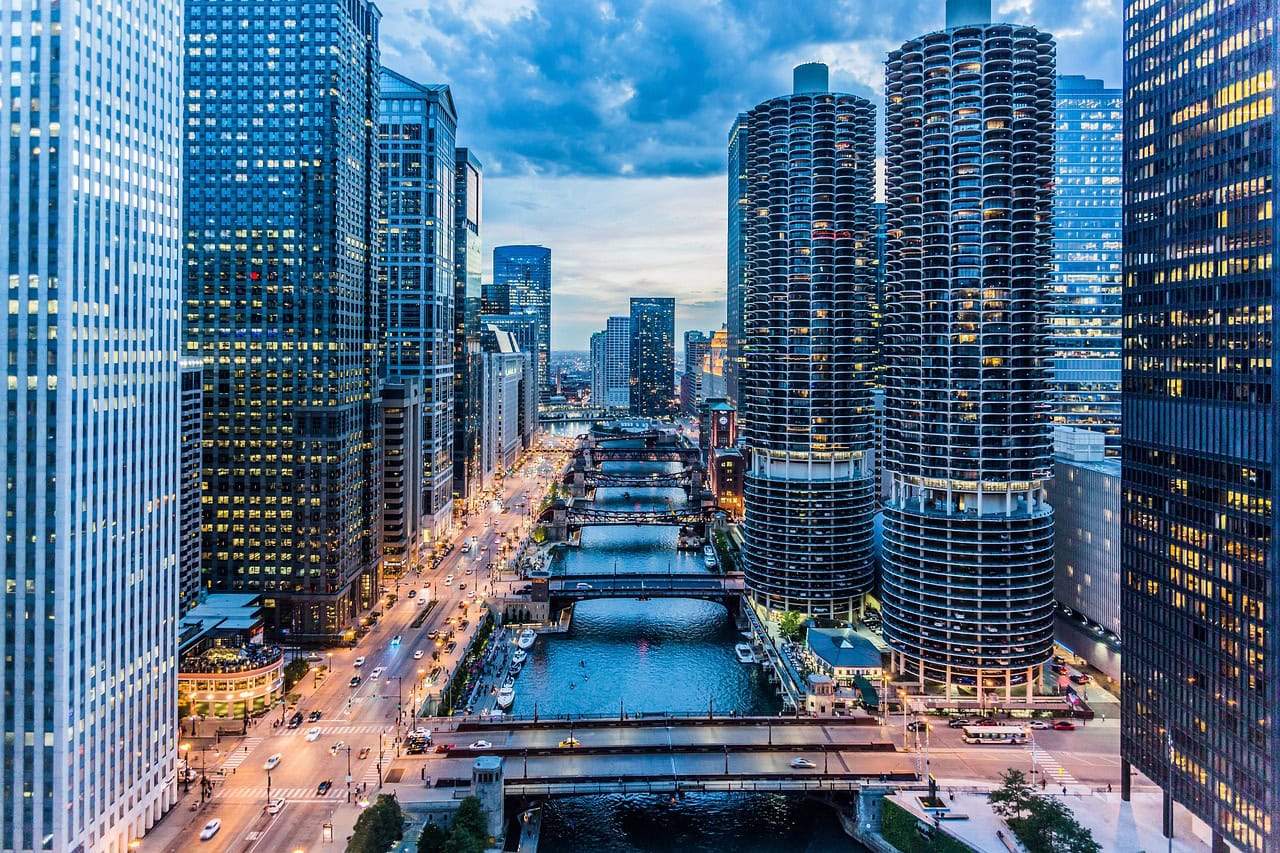
Travel Days 1-2: Chicago
The first two travel days are dedicated to landing and settling in Chicago. It's advisable to rent a car when leaving the city towards Mount Rushmore. It's good to reserve at least a full day and a half for exploring Chicago, and therefore if you arrive late to the city, consider adding an extra travel day.
Chicago, the formidable Windy City on the shores of Lake Michigan, is the major metropolis between New York City and Los Angeles, known as the heart of America. Skyscrapers were born in Chicago in the late 19th century, using modern building techniques that were copied to Manhattan, shaping the stunning skyline of both cities.
Since then, Chicago has evolved into a major cultural, transportation, and culinary hub. Today's city is very vibrant, with a huge abundance of attractions in the Loop (Chicago's downtown) and on the Magnificent Mile. The city offers excellent food, especially fun shopping, and exhilarating observation decks on the upper floors of the Willis Tower (formerly Sears Tower) and the John Hancock building.
Click here for all the information on touring Chicago…
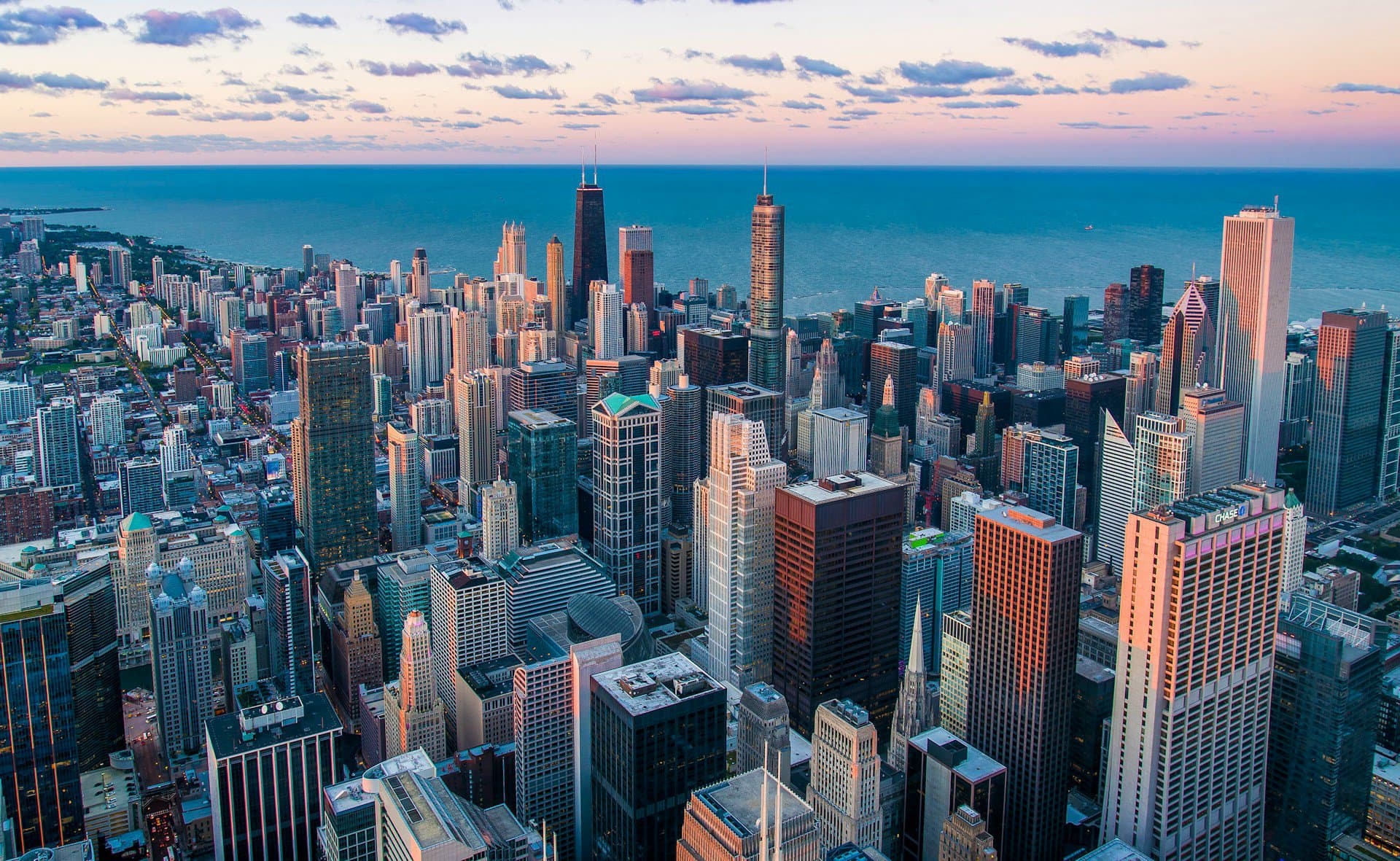
How to plan a trip itinerary in Chicago?
Chicago can be combined with a wide range of road trip routes in the central part of America. This large and important city in the Midwest is a convenient gateway for long trips to the Great Plains and the cities and attractions of the Great Lakes.
- On a road trip along the western shore of Lake Michigan, you can also include a visit to the nearby city of Milwaukee, just a reasonable one and a half hour drive from Chicago.
- Chicago is your launch point for an epic trip across the northern Great Plains, following the Mississippi-Missouri river route. Make stops in Minneapolis, St. Louis, Kansas City, Indianapolis, and even Mount Rushmore and the Black Hills, right up to Yellowstone Park.
Click here for a guided boat tour on the Chicago River with commentary on the city's skyscrapers…
Planning a trip around Chicago is easy since most of it revolves around the small center. The center of Chicago is composed of Downtown (the Loop), the Near North Side, and the Near South Side. In a relatively small area, you'll find all of the city's significant buildings, museums, and many must-see attractions.
- The main avenue in the city is Michigan Avenue. In its northern part, the avenue is known as the Magnificent Mile
- From the upscale shopping street East Oak Street to the north down to the Near South Side, along the avenue or within a short walking distance from it, you'll find almost all of the city's major landmarks such as the John Hancock Center, the historic Water Tower, the Wrigley Building, Tribune Tower, Navy Pier, Millennium Park, the Art Institute of Chicago, Grant Park, the Field Museum, and more
- A short walk from the avenue can also lead you to stroll the streets of Downtown where historical and modern skyscrapers abound with the giant Sears Tower taking prominence, or explore the elegant North River district
- North of downtown, in Lincoln Park and the Gold Coast district, there's another cluster of historic homes and interesting sites.
- South of downtown, in the Hyde Park district, known as South Chicago, there's another collection of important museums such as the Museum of Science and the Smart Museum, as well as important historic homes.

Everything You Need to Know About Accommodation and Hotels in Chicago
Staying in Chicago is a particularly fun urban experience with towering skyscrapers and bustling streets full of shopping, restaurants, and entertainment spots. In the Loop of Chicago and the Magnificent Mile, you'll find many hotel establishments located in the city's historic skyscrapers.To the west of the Magnificent Mile, along Michigan Avenue near the Near North Side, there are great urban hotels at more modest prices in the elegant River North district.
Click here for a list of 12 outstanding hotels in the heart of Chicago…
The Best Neighborhoods to Stay in Chicago
- The Magnificent Mile – Historic hotel institutions
- River North District – Boutique hotels and three-star hotels in the central district
- Downtown Chicago – The Loop – Urban hotels under the tallest towers in America (excluding Manhattan)
- Hotels near O'Hare Airport – Modern business hotels and motels
Click here for all the information about staying in Chicago and the neighborhoods worth staying in…
Click here to check availability and prices at Chicago hotels…
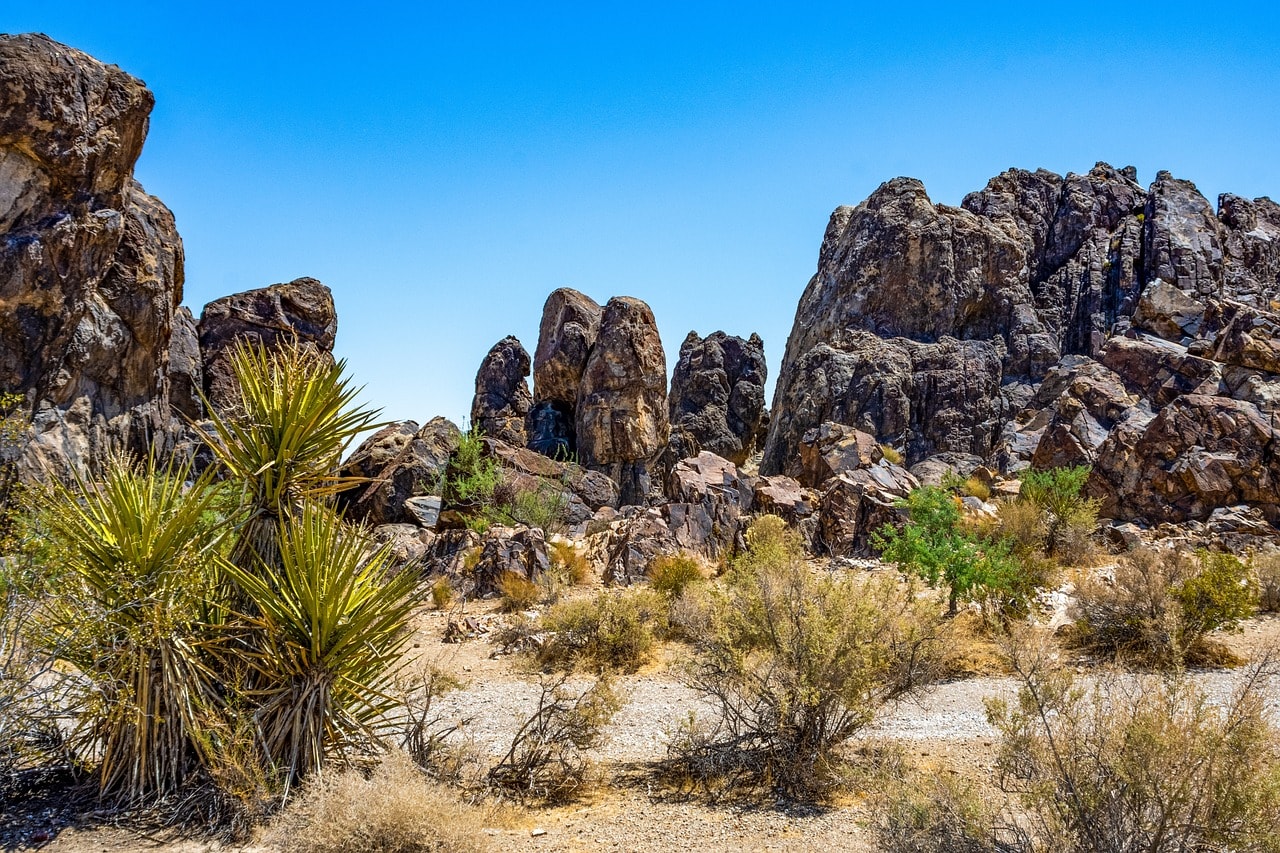
Days 3-4: Mount Rushmore and the Black Hills Range
Leaving Chicago at noon, drive about eight hours on Highway 90 to the city of Sioux Falls at the eastern edge of South Dakota, where it's wise to find lodging either on the road or nearby. In the morning, continue westward, about a five-hour drive to Rapid City, the gateway to Mount Rushmore and the Black Hills.
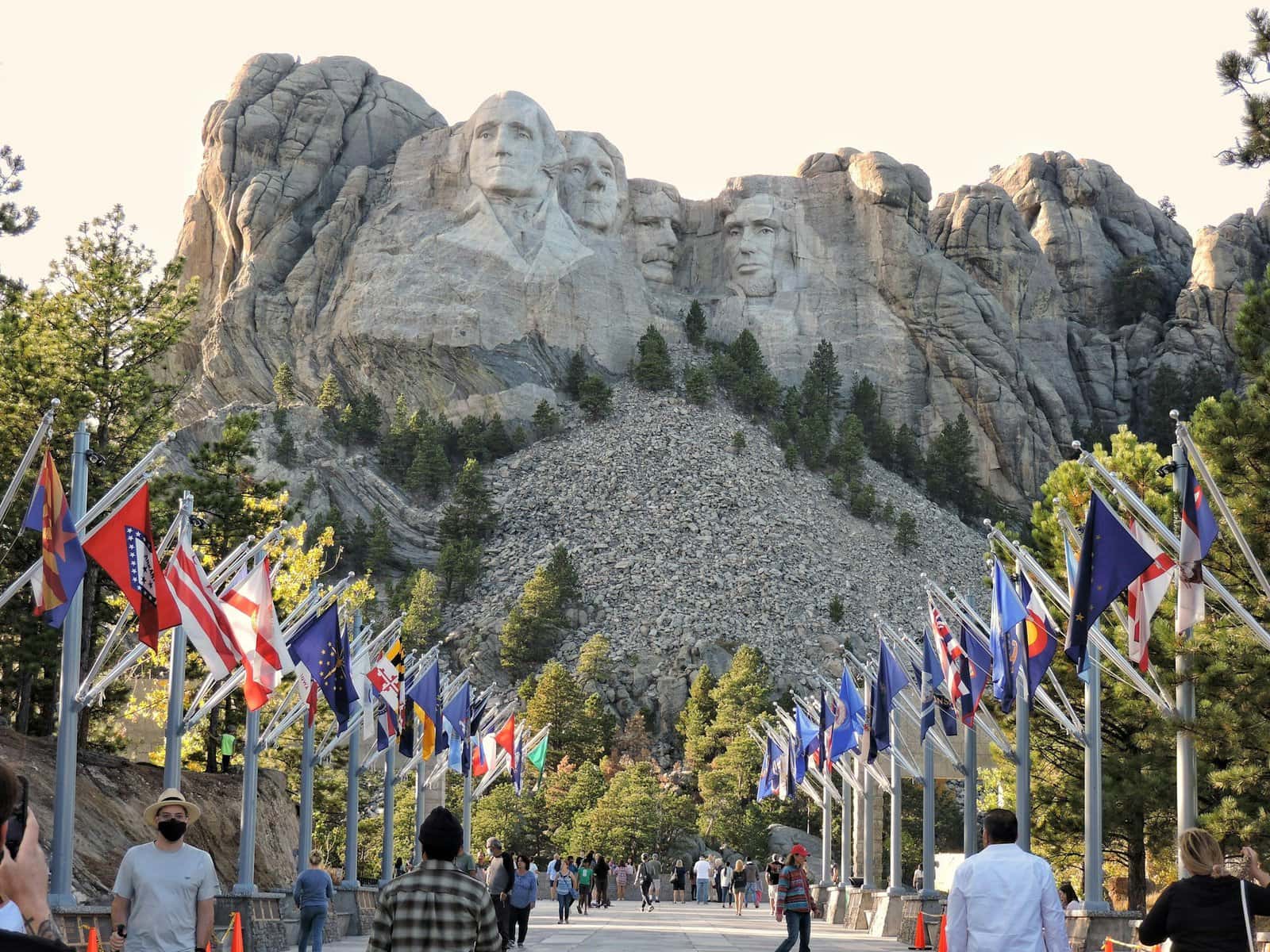
Mount Rushmore is one of the most iconic sculptures in all of the United States. The ambitious project was supported by Washington (the federal government) to commemorate the presidents on one hand, but also to develop tourism in the Black Hills region, in the southwestern part of South Dakota.
Today, the mountain draws an enormous number of visitors who also come for the other natural sites and the unique towns of the gentle range on the western outskirts of the Rocky Mountains' uplift. South of the large city of Rapid City are nature reserves, unique caves open to the public, and of course, the mining town of Deadwood, one of the most legendary places of the Wild West.
Click here for the complete guide to visiting Mount Rushmore and the Black Hills…
Badlands National Park
Badlands National Park features stunning natural landscapes and geological formations. The park is located south of Wall village on the I-90 highway. Inside the national park, you'll find massive rock pillars called Pinnacles, formed by the erosion of hard granite by natural elements (similar to the Meteora in Greece). The park is located on the western edges of the Black Hills range, in a region that, although not desert, resembles a desert landscape due to its exposed rock formations.
Everything you need to know about lodging and hotels near Mount Rushmore
Accommodation in the Black Hills mostly revolves around the quintessential American concept of motels. Near Mount Rushmore, you'll find plenty of motels from major American chains like Motel 6, Super 8, Holiday Inn Express, and brands from major hotel chains. Stays in motels in the area are primarily rural but remarkably efficient for both couples and families. The motels feature large rooms, 2 queen or king beds, breakfast, and adjacent parking.
Click here to check availability and prices in hotels around Mount Rushmore…
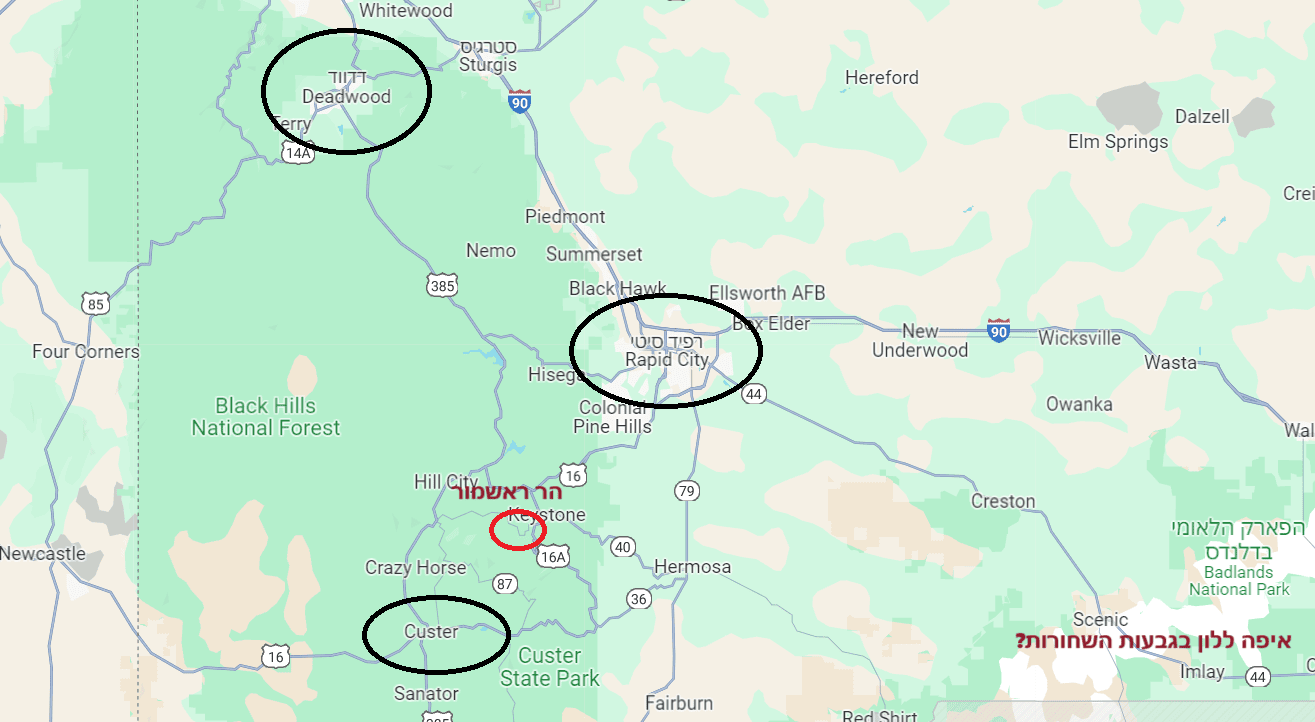
The main clusters of hotels in the Black Hills and their proximity are located in three areas:
- Rapid City near the I-90 route
- Along the streets of Deadwood's gulch
- On the main street of the town of Custer
Click here for a list of 8 lodges and motels near Mount Rushmore…
Staying in Rapid City is the most urban in nature (don't expect a city, it's still quite the periphery). The prices in Rapid City are also the most affordable at motels, and the proximity to Mount Rushmore is particularly convenient. Staying in Deadwood is essentially touristy, and the vibe in the town is like staying in cabins. Custer is also a small and pleasant town, with a mountainous atmosphere and beautiful views.
Click here to find accommodation in Deadwood hotels…
Map – Where to stay near Mount Rushmore?
How to plan a trip itinerary to Mount Rushmore and the Black Hills?
Planning a route in Mount Rushmore is relatively simple and involves a short drive from site to site. The base of the trip in the area is Rapid City, where there are plenty of accommodation options. You can also stay in the mining town of Deadwood, which today is a popular tourist destination.
- The access road to the area is I-90. For those coming from the east (from Chicago or Minneapolis), it's worth initially stopping at the Minuteman Missile site near Badlands National Park. After that, you can drive a bit further and enter the national park area along Highway 240.
- From the park, continue to Rapid City and then drive straight to the village of Keystone, where the Mount Rushmore Visitor Center is located.
- Besides the Lincoln Borglum Visitor Center at the mountain, it's also worth visiting the sculptor's studio located at the end of the Walking Trail – the Avenue of the Presidents. This route will allow you to see the sculptures from various angles.
- After visiting Mount Rushmore, you can continue to Custer State Park and from there head south to Wind Cave National Park.
- South of the cave is the small town of Hot Springs, where you'll find the cool Mammoth Site.
- From Hot Springs, head back north to the stunning Jewel Cave system and then to the unfinished Crazy Horse sculpture and the Museum of the North American Indian.
- From the sculpture, it's worth heading north to the legendary mining town of Deadwood and strolling along its lively Main Street.
- From Deadwood, in the direction of Yellowstone Park, cross the border into Wyoming and arrive at the breathtaking natural site of Devil's Tower.

Devil's Tower
Devil's Tower is one of the most famous and beautiful geological sites in the USA. The tower is located at the eastern edge of Wyoming, not far from the South Dakota border, less than an hour's drive from the wild west town of Deadwood. This magnificent and unique monolith rises nearly 400 meters above the ground, in the plateau of the Rocky Mountains, which is 1,200 meters above sea level.
This is the mesmerizing mountain that starred in Steven Spielberg's movie “Close Encounters of the Third Kind” (the mountain sculpted from mashed potatoes in the iconic scene at the beginning of the film). After the movie, the mountain became a pilgrimage site for tourists and an essential part of the Black Hills and Mount Rushmore travel route. The Devils Tower Visitor Center is located on the western side of the monolith.
Days 5-6: Yellowstone National Park
From the Black Hills, you travel west for seven hours until reaching the northern entrance gate of Yellowstone National Park in the state of Wyoming.
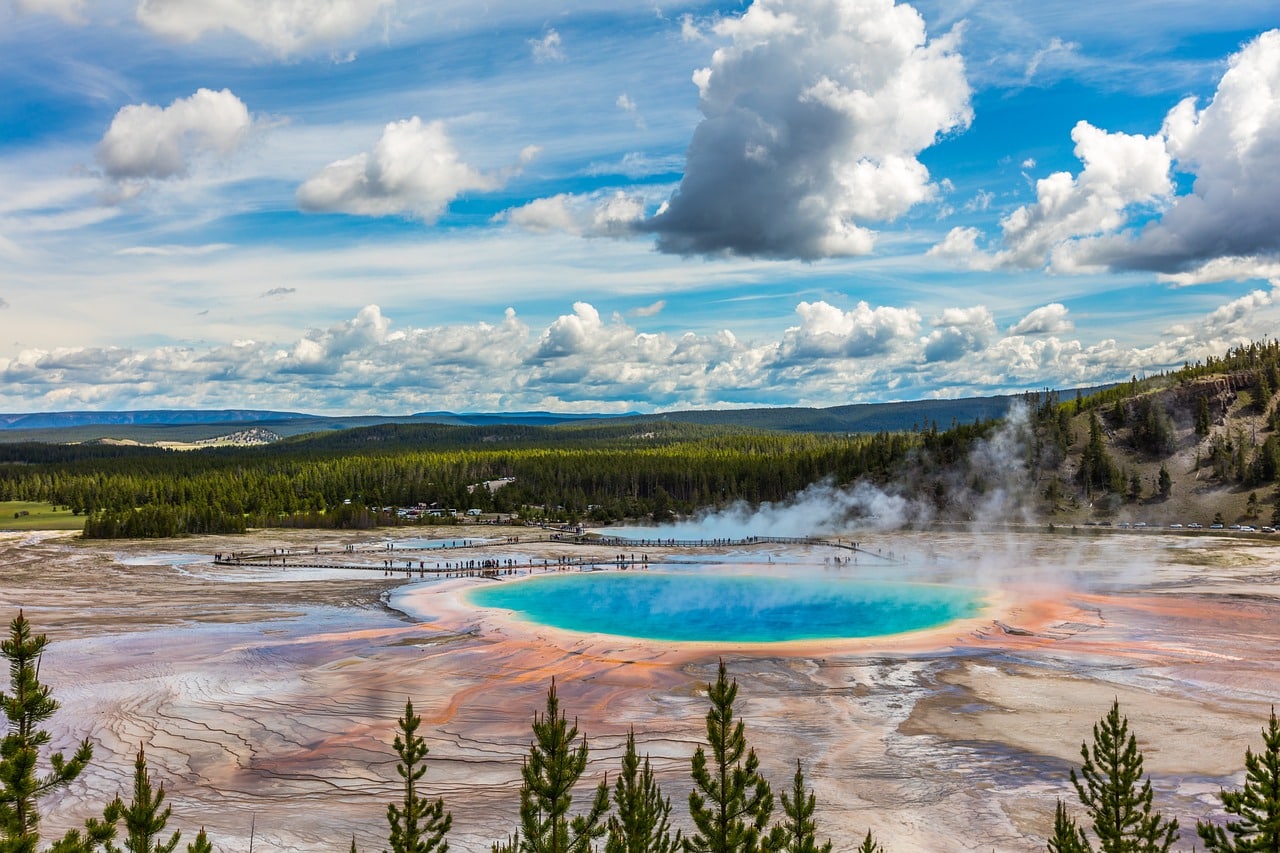
Yellowstone National Park is the cradle of the world’s nature conservation movement. It is the first national park ever established, aimed at preserving the unique nature of northwest Wyoming. The park is an active volcanic area with spectacular geysers and geothermal springs.
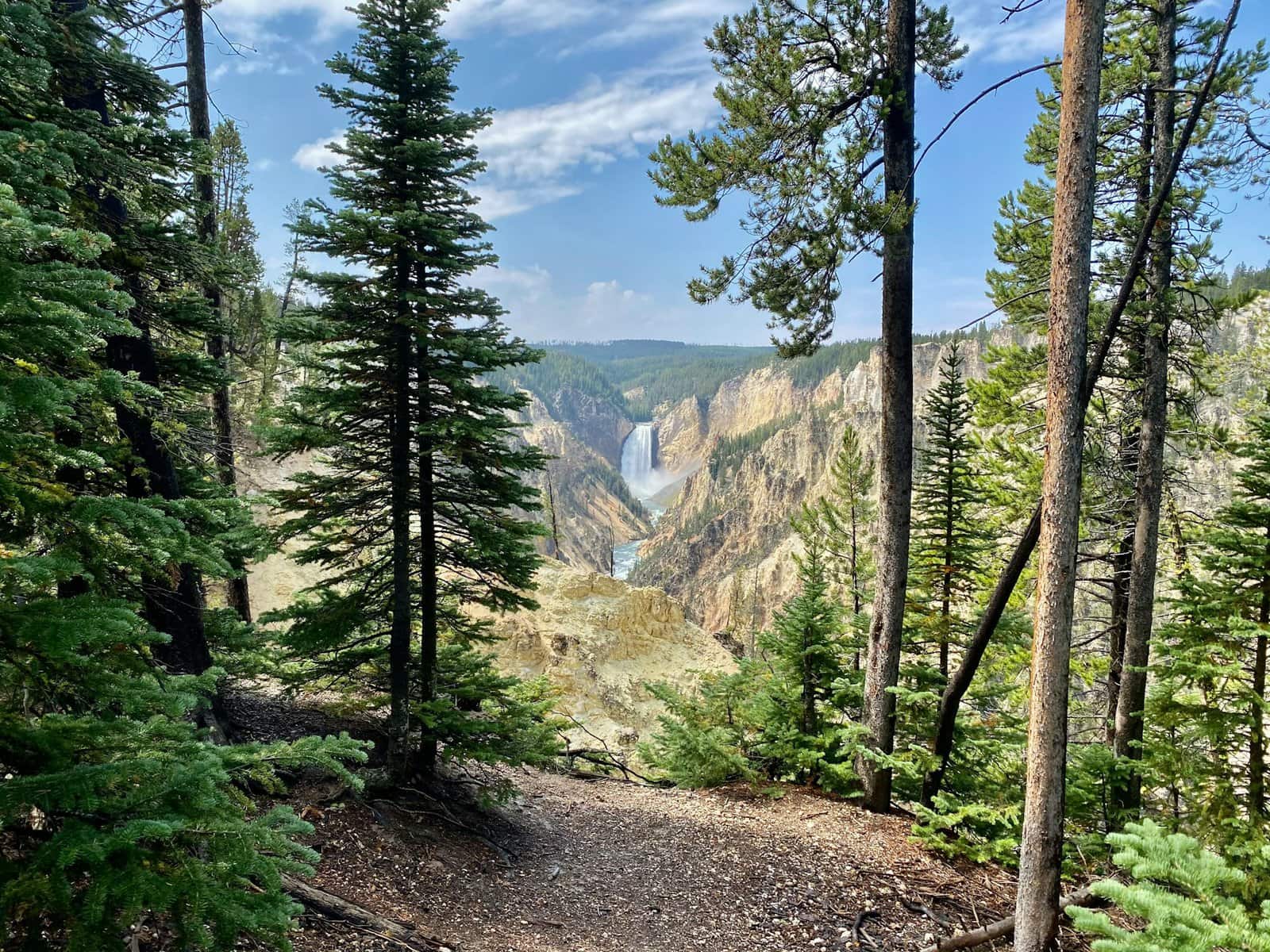
Beyond the volcanic landscape, the park features a wild, rugged nature filled with bison, moose, elk, and occasionally grizzly bears. Throughout the park, there are hundreds of kilometers of hiking trails of varying difficulty, running along mountain streams, near lakes, on peaks, and at the edge of the breathtaking Grand Canyon of the Yellowstone.
Click here for the complete guide to touring Yellowstone National Park…
How to tour Yellowstone Park?
Touring Yellowstone Park is done by car, driving between different clusters of sites and attractions. It's a very organized park with vehicle access to almost all major attractions. Near the attractions, there is a large parking lot from which hiking trails begin. The park has dozens of marked trails of varying difficulty, and it's a good idea to plan in advance which trails you want to hike.
How to Plan a Trip Route in Yellowstone National Park?
Yellowstone National Park is an almost exclusive travel destination in the vast expanse of the USA where there are hardly any other points of interest. Planning a route in Yellowstone Park requires early preparation and includes overnight stays along the way (unless you fly into Bozeman).
- You can plan a travel route starting from Chicago towards Mount Rushmore, the Black Hills, and then continue to Yellowstone. You can return to Chicago via a southern route through Grand Teton, towards Denver, Colorado, and visit the Rocky Mountain National Park in the mountains above the city. From Denver, travel back to Chicago on the I-70 route via Kansas City and St. Louis.
- Another travel route is from Los Angeles and Las Vegas, through Salt Lake City, and includes the stunning parks of Southern Utah, like Zion, Bryce Canyon, Arches, and more. You can wrap up the journey by traveling from Yellowstone to Seattle.
- The travel route in Yellowstone Park is strongly linked to areas accessible by car. The park is crisscrossed by few roads, with highways 89 and 191 being prominent, and almost all attractions lie along them.
- The park area has numerous hiking trails of varying difficulty levels. If planning mainly for hiking, it's worth focusing on which trails you're planning to explore.
Everything you need to know about staying in Yellowstone National Park
Yellowstone Park is generally located in what could be described as the middle of nowhere. The nearest major cities to the park are Salt Lake City and Denver, both over six hours' drive away.
The distance and summer crowd pressure make it necessary to find accommodation near the park and enter its grounds early each morning before traffic jams and congestion.
Accommodation near Yellowstone Park is divided into two options:
- Staying in lodges at several sites within the park
- Staying in hotels and motels in towns and villages near each of the park's entrance gates
- Accommodation and motels in the large cities of Montana along the I-90 route
Click here for a list of 10 lodges and motels near Yellowstone National Park…
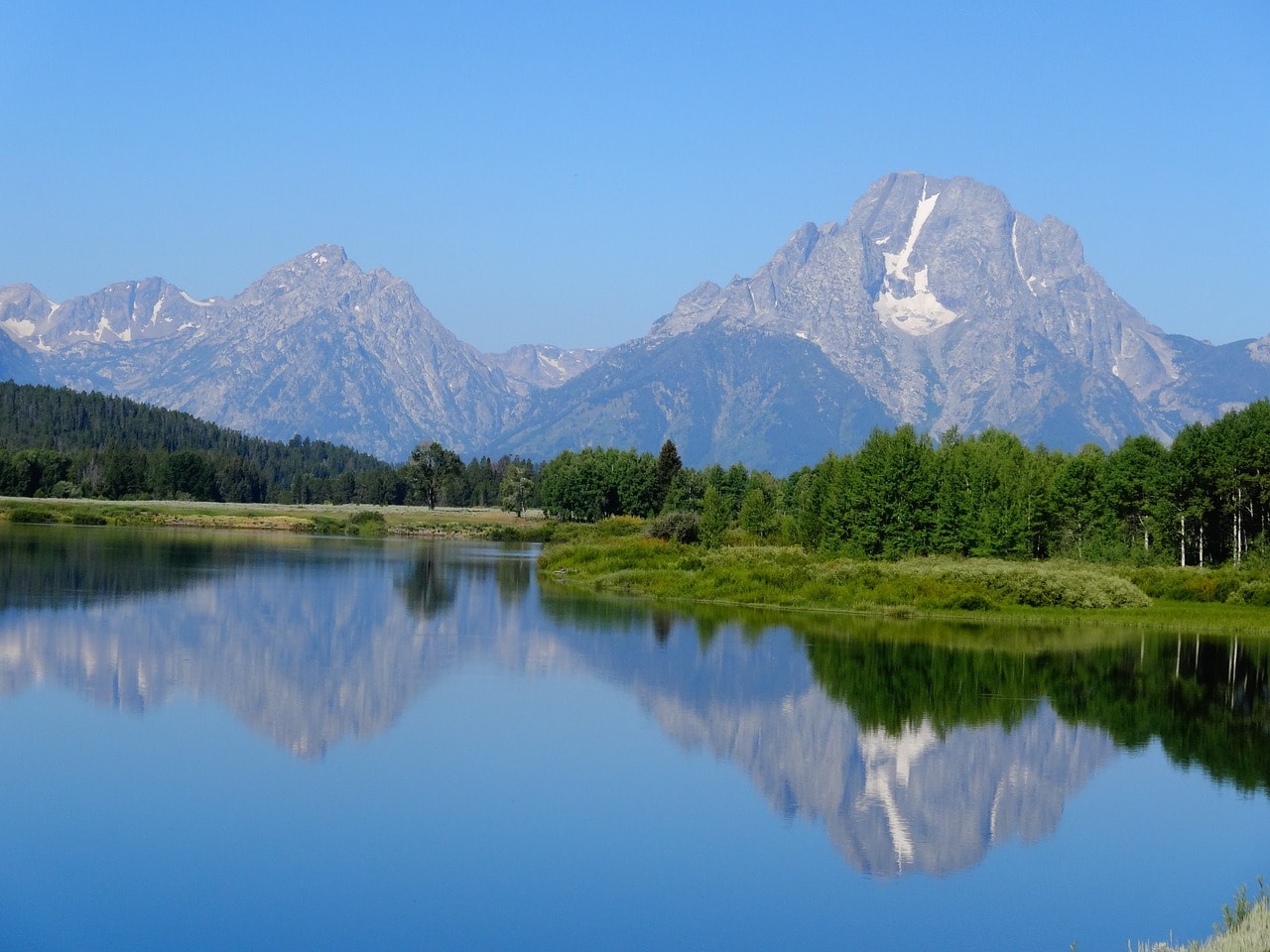
Day 7 Trip: Grand Teton National Park
The seventh day of the trip will be dedicated to Yellowstone's neighboring park, Grand Teton, and afterwards, you'll start heading south towards the state of Colorado. You can return to Yellowstone and head towards Colorado in the morning, or you can begin traveling south in the afternoon and find a place to stay along the way.
Adjacent to the rare geo-thermal sites of Yellowstone Park lies a particularly green and pastoral alpine valley, in the shadow of the massive Grand Teton Mountain, which towers at about 4200 meters. The mountain and its two neighboring peaks are among the most beautiful sights of the Rocky Mountains.
Grand Teton National Park stretches along the length of Jackson Hole Valley, a lofty alpine valley with an elevation of over 2000 meters. The valley boasts an abundance of natural attractions such as white-water rafting on the rushing Snake River, magical lakes like Jenny Lake and Jackson Lake, unique scenic viewpoints, hiking trails of varying levels, and plenty of nature-related activities and scenic views. Grand Teton National Park is one of the most beautiful places in the USA, located just south of Yellowstone Park.
Click here for all the information on visiting Grand Teton National Park…
How do you explore Grand Teton National Park?
The Grand Teton isn't as large as its legendary neighbor Yellowstone Park, and unlike its larger sibling to the north, it mainly offers breathtaking alpine views (with nothing related to geothermal activity or any other volcanic elements).
The trip in Grand Teton National Park is short and sweet. Most visitors either drive through the park, stopping at beautiful viewpoints with nearby parking, or take on a few short hiking trails across the eastern slopes of the range and in the Jackson Hole valley.
For those interested in more complex and challenging hiking, the park also has tougher trails. It's wise to know their routes and difficulty levels beforehand and come prepared with gear, food, and maps. The park showcases American nature at its finest, including rafting on the Snake River, fishing opportunities, kayaking, and more.

Days 8-9: Rocky Mountain National Park
On the eighth day of the trip, you'll drive from Yellowstone to the town of Estes Park, located in Rocky Mountain National Park, a 7 and a half hour drive. Begin exploring the park at a relaxed pace when you arrive, and dedicate the ninth day to enjoying the park’s natural beauty, before heading down to Denver, which is about an hour and a quarter drive away.
Rocky Mountain National Park is one of the most visited parks in the world. Not far from the big city of Denver, the capital of Colorado, lies the rugged natural area of the Front Range, one of the ranges that make up the Rockies, with peaks over 4000 meters high. The highland area was conquered in the early 20th century with the opening of Highway 34 or the Ridge Trail Road, which crosses the range towards the Colorado River gorge.
Estes Park is the base for a trip to the park; the small town at an altitude of 2300 meters turns into a bustling city in the summer, boasting an abundance of hotels, restaurants, and entertainment spots. In its vicinity, you'll find breathtaking natural sites, enchanting alpine lakes, hiking trails of various levels, and all the fun of the great American outdoors.
Click here for the complete guide to Rocky Mountain National Park…
How do you explore Rocky Mountain National Park?
The trip to Rocky Mountain National Park is one of the most organized and comfortable among the national parks along the vast ridge. Estes Park is a large and bustling town where you can buy food, find accommodation, and even enjoy an evening out. The town is located near the main attractions of the park and provides convenient access by car or on foot to all the rugged natural space.
In our opinion, it's highly recommended to find accommodation in Estes Park as a base for your trip to the national park
- For those who want to go hiking, there is a wide variety of levels, from climbing Longs Peak for professionals only to scenic trails around beautiful lakes accessible by car
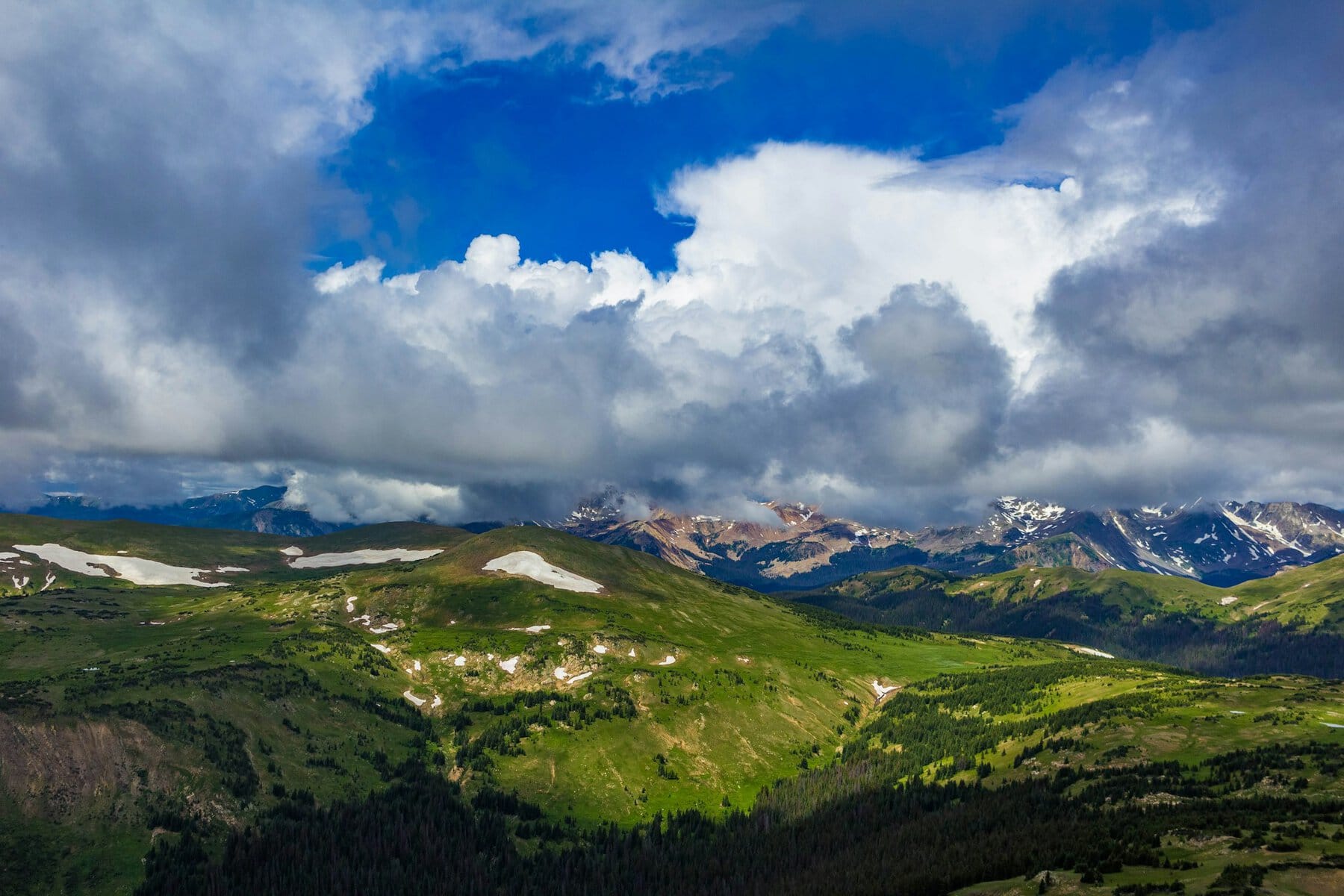
- The most beautiful section of the park is accessible by drive, and it's the Ridge Trail Road that crosses the Continental Divide and descends towards the Colorado River on the western slopes
How to plan a hiking trip in Rocky Mountain National Park?
Planning a hiking trip in Rocky Mountain National Park is pretty easy. Almost every hike is based on departing from and returning to Estes Park, and a lot of the must-see sites in the park are right near the town. The town is your travel base, the place to restock, eat, enjoy, and stay overnight. It’s a very tourist-friendly and welcoming town that boasts all the perks of American capitalism even up in the remote ridge.
Click here for a day hike from Denver to Rocky Mountain Park, including a picnic lunch…
- On your trip to the park, you must take a drive up Trail Ridge Road. This is the most spectacular scenic road in the park that takes you up to altitudes over 11,500 feet. Along the way, there are stops for breathtaking views of the Front Range.
- For those interested, you can also descend the western slopes toward the Colorado River channel and visit Lake Granby and Lake Grand. The western slopes are less developed than the eastern ones, but they technically are part of the park. The must-see site on the western slopes is the Holzwarth family's ranch near the Colorado River.
- The main sites and hiking trails are located south and west of Estes Park. Highway 7 heads towards the trail ascending Longs Peak (a trail for experienced climbers) and Lily Lake, the cutest place in the park for a stroll with young kids.
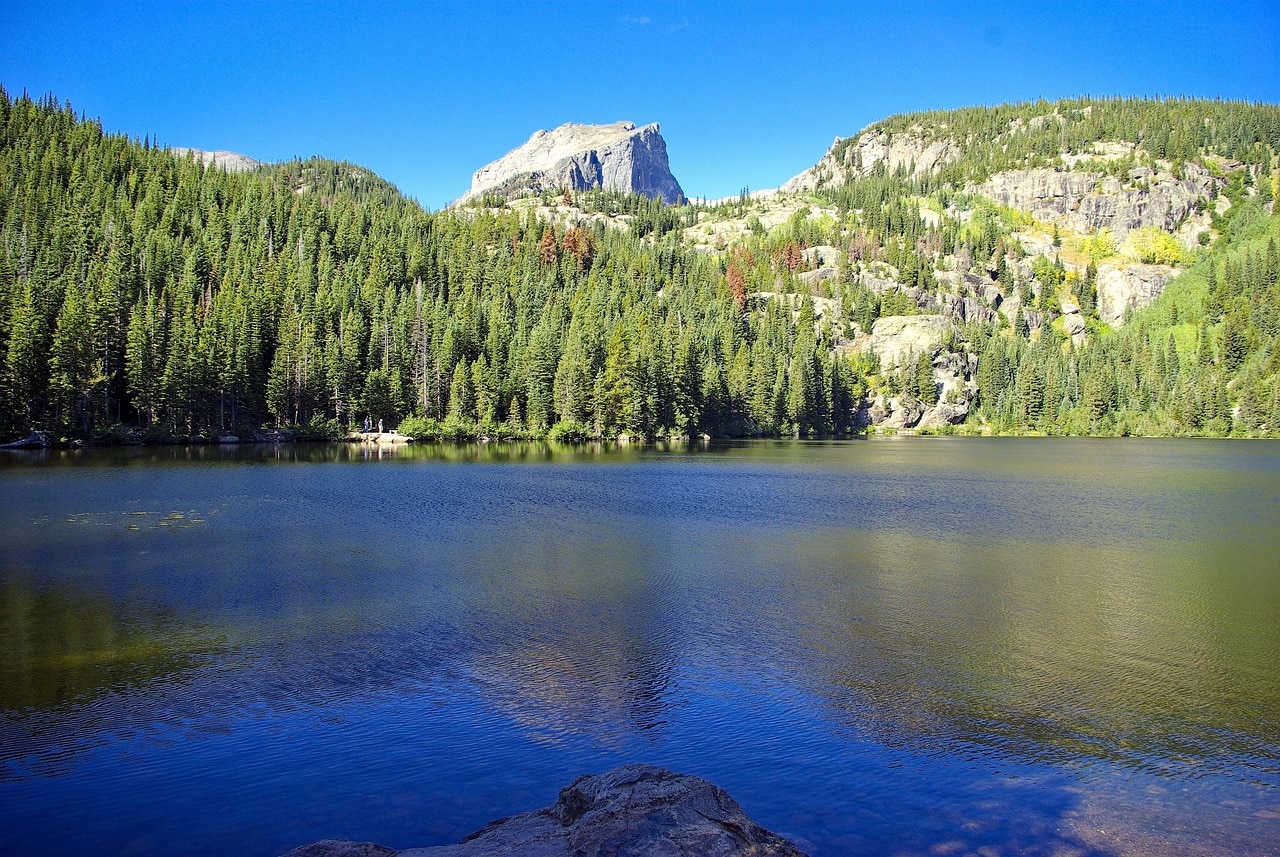
- Another important road is the Bear Lake Road. This road climbs to Bear Lake, one of the most beautiful lakes in the park. The lake is accessible from the park, and you can enjoy a leisurely walk with young kids around the high-altitude lake.
- From the parking lot east of Bear Lake, trails lead to other lakes on the eastern slopes of the mountain range, such as Emerald Lake, Nymph Lake, and Dream Lake. These are high alpine lakes formed by glacial melt.
- Another convenient base for your trip is Moraine Park, just a little west of Estes Park. The museum at Moraine Park is one of the most fascinating in the park, and the trail to the charming Cub Lake starts from here.
Click here for guided hiking on selected trails in Rocky Mountain National Park…
Everything you need to know about lodging around Rocky Mountain National Park
Lodging in Rocky Mountain National Park is divided into three options:
- Staying in Estes Park is ideal for those visiting the park for a few days or stopping in the park during a Rocky Mountain itinerary.
- Lodging at Grand Lake on the western slopes of the range.
- Hotels in the big city of Denver, perfect for those planning a day trip to the park
Click here for a list of 8 fantastic rural motels and hotels in Estes Park…
Estes Park is an excellent logistical base for a trip to the national park, probably the largest town located in any of the parks in the Rocky Mountain range. The town offers numerous hotels of various types, mainly three types of accommodations:
- Alpine lodges for those who love the atmosphere
- Motels from all the big chains, ranging from one to two stars
- Large vacation villages with outstanding service, providing an entirely different lodging and vacation experience
Click here to find accommodation in the hotels and lodges of Estes Park…
Grand Lake is the second base of the park, located on the western slopes of the range. Grand Lake also has lodge hotels and motels, and it's a place where you can get supplies and eat. It's a less popular area than Estes Park but is very beloved by Americans who come for a long vacation in the mountains.
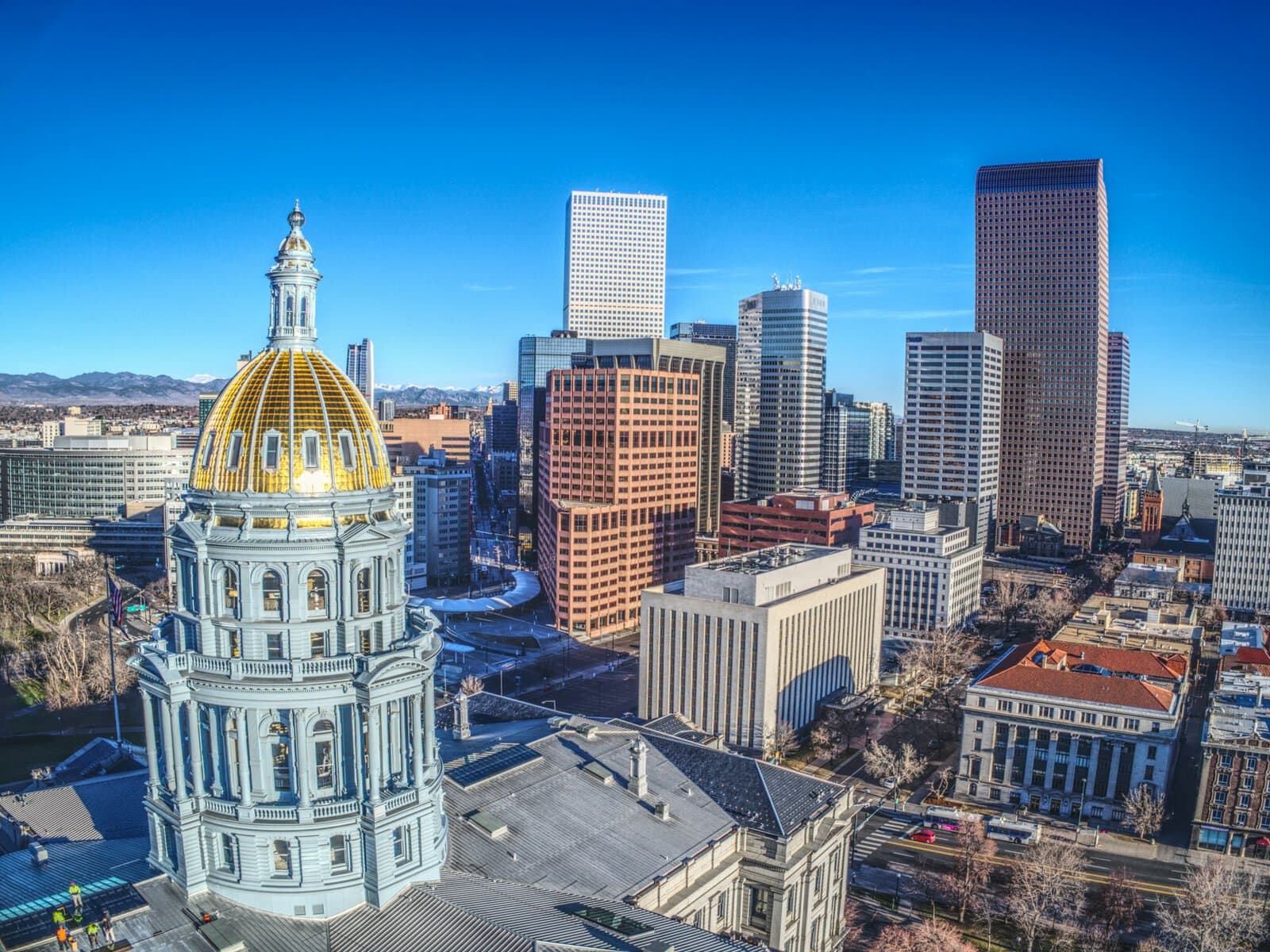
Day 10 Tour: Denver
Day ten of the trip will be dedicated to the city of Denver. Denver, the capital of Colorado, is the main city in the vast area at the junction between the Great Plains and the Rocky Mountains. The city's nickname is the Mile High City, in honor of its topographical elevation. The city lies right at the beginning of the ridge's rise from the east, at the border of the Great Plains, beneath the Rockies' highest peaks. Denver is a very liberal city, the most liberal in the vast area considered the heart of America. The downtown is filled with entertainment spots and attractions and is the base for excursions to the Rocky Mountain Park above it and the ski resorts in Vail and Aspen.
Click here for all the information about touring Denver….
How to plan a travel itinerary in Denver?
Denver is part of the travel route in the center of America, in the western parts of the Great Plains. The city is part of the monumental Mid-America travel route, which includes the national parks of the Rocky Mountains, Yellowstone and Grand Teton in the north, through Rocky Mountain National Park just above the city.
Click here for planning a trip route in Denver and Colorado and for professional consultation…
From Denver, you can head back towards the Great Plains through Kansas City and Saint Louis on Highway 70, or cut towards Utah and join the unique national park route of the Colorado Plateau. The route descends from the western slopes of the Rocky Mountain National Park, starting at the Colorado River and following it to the national parks of Arches and Canyonlands (both near Moab, Utah), Monument Valley, and the Grand Canyon, from where you continue to Las Vegas.
For a day trip from Denver to Rocky Mountain National Park + Lunch, click here…
Denver is the starting point for a trip to the Rocky Mountains, including the prestigious ski towns of Vail and Aspen. Nearby are some other interesting places like the city of Boulder, Colorado Springs, and more.
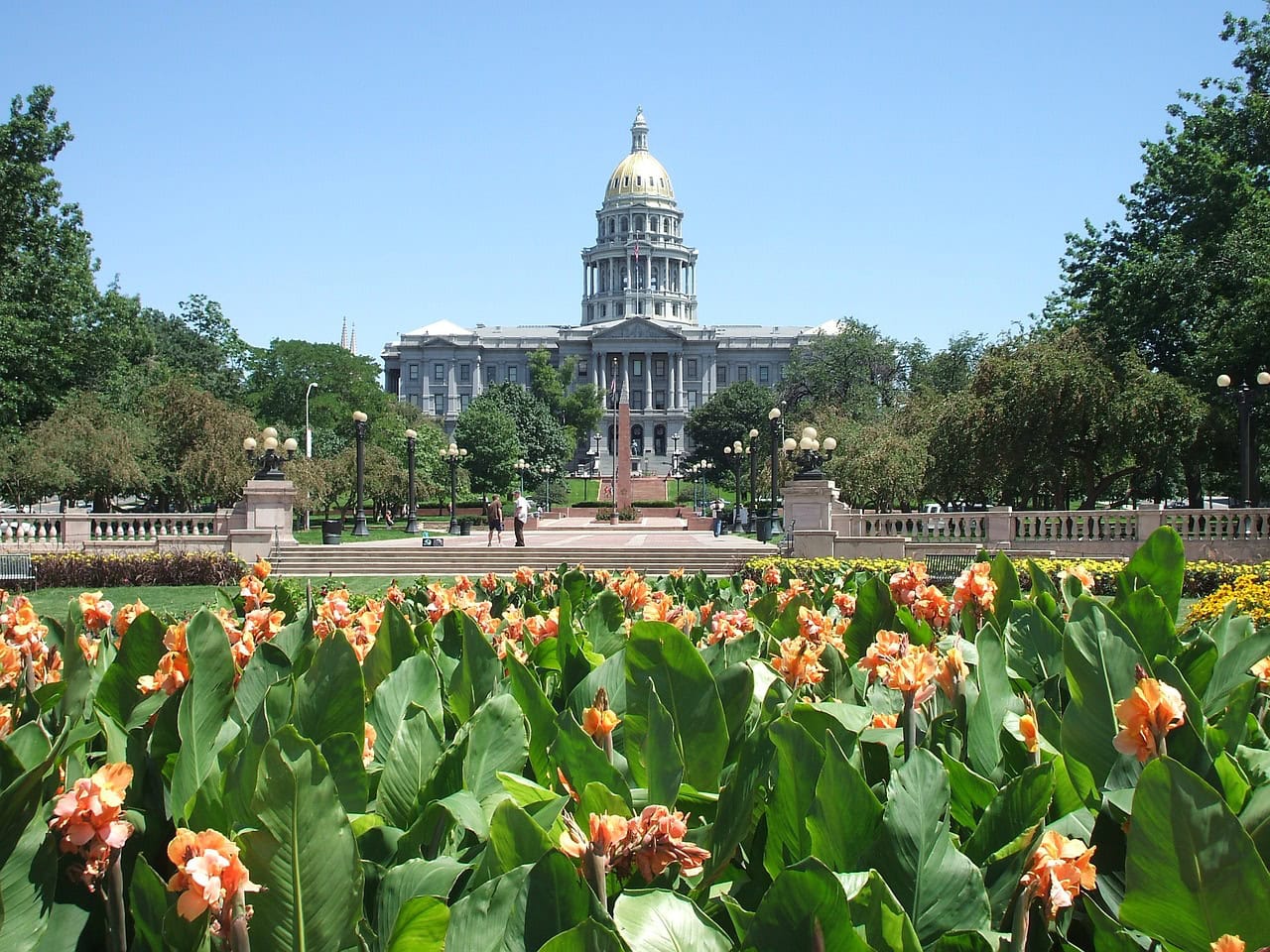
The downtown city tour focuses on downtown. It's worth starting the tour in the lively Larimer Square center and the 16th Street Mall, bustling with shops and restaurants. From there, head down towards the Colorado Convention Center and Civic Center Park. Next to the park is Colorado's impressive Capitol building and the city's museum cluster.
Click here for a guided walking tour in downtown Denver…
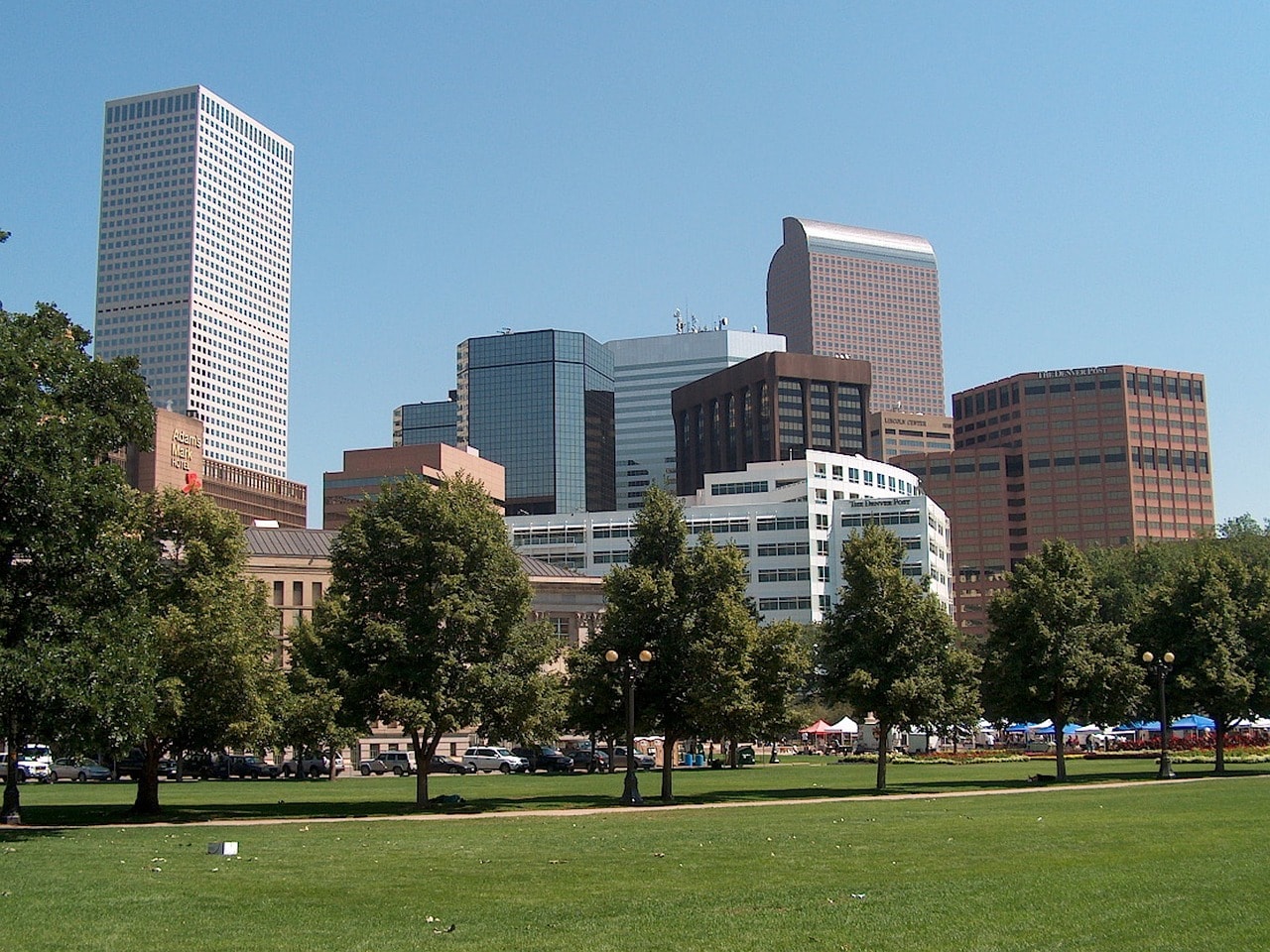
Everything you need to know about accommodation and hotels in Denver
The hotels of Denver are spread out in a classic way like in large (but not huge) American cities with a relatively new center.
The layout of hotels in Denver is as follows:
- Urban hotels in towers in downtown Denver
- Motels are clustered in the southern group in Glendale and the northern cluster on Highway 70 east of downtown towards the airport
The hotels in downtown Denver are the most urban accommodation option and are reasonable even for those arriving by car (some have paid parking). These are four- and three-star hotels. Downtown also features luxury hotels like the Four Seasons. Central city hotels are located in towers, and Denver hosts representatives of all the major American chains such as Hyatt, Hilton, Sheraton, Westin, and IHG brands. In terms of location, the closer to the convention center and Larimer Square, the more convenient the location is considered.
There are several clusters of motels around Denver, in addition to the modern Westin business hotel at the airport. For those who don't want to drive into downtown, the motels near the airport on highway 70 are the ideal accommodation solution in the city. Near the highway, you'll find representatives of all the roadside hotel brands from the big chains, as well as the motel chains (anything ending in Inn such as Holiday Inn from IHG, Comfort Inn, Hampton Inn, and all the Inns).
Click here to search for a place to stay in Denver…
Day 11: Crossing the Great Plains and an overnight stop in Kansas City
Day 11 is the big road trip day through the Great Plains and mainly involves a lot of driving through the flat parts of the USA. The drive from Denver to Kansas City takes about eight hours on highway 70.
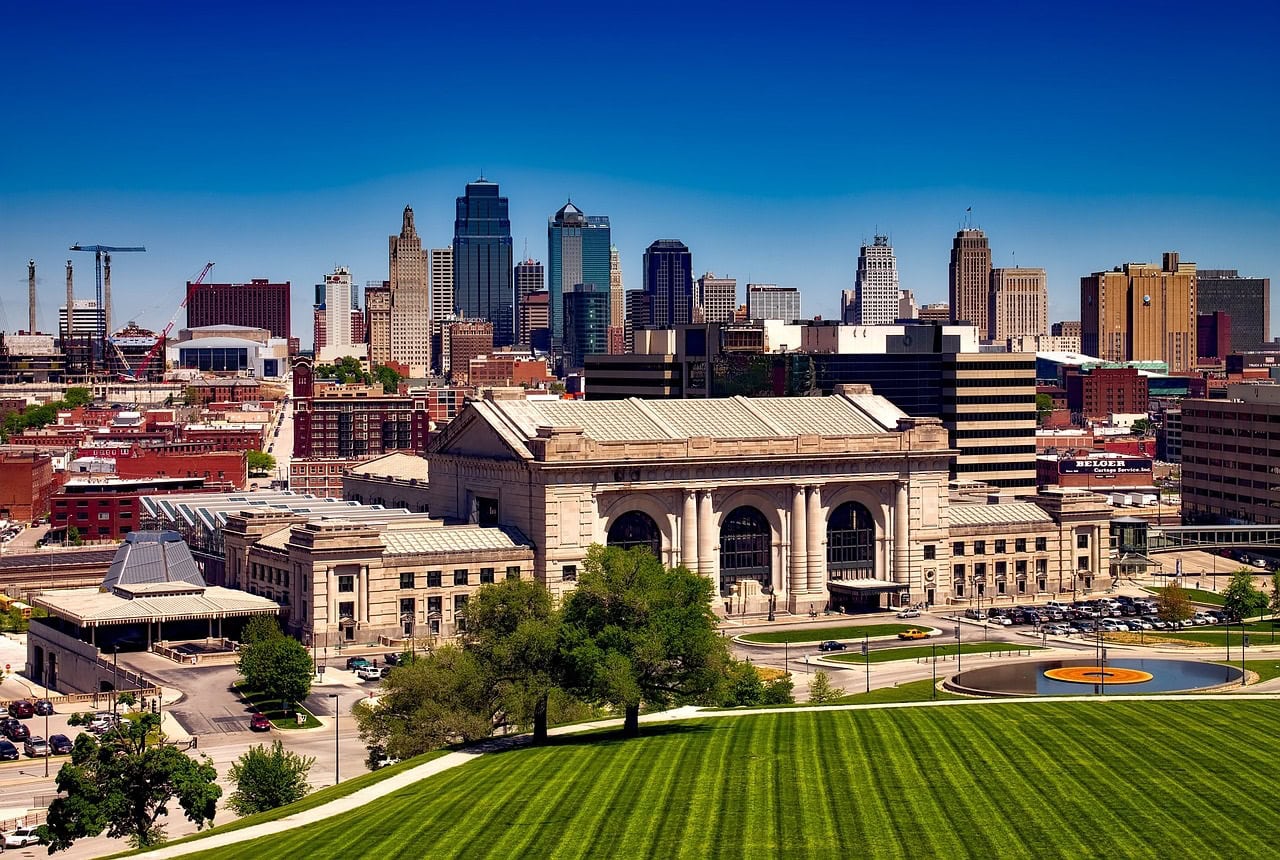
Kansas City is located in the western part of Missouri, on the border with the neighboring state after which it is named. The downtown area of the city sits on the south bank of the great Missouri River that crosses the state from west to east until it flows into the Mississippi River in St. Louis. Kansas City is a place for a short stopover, where you can visit the City Market, the charming municipal market by the river, which also hosts the Arabia Steamboat Museum.
Kansas City is a fantastic spot for fans of American sports, whether you catch a Royals baseball game or, if you're lucky, a Chiefs football game, the city's sports empire.
Travel Days 12-13: From Kansas City to Saint Louis and back to Chicago
Travel from Kansas City along the I-70 for about four hours until you reach Saint Louis. Spend the rest of the day exploring Saint Louis, stay overnight, and in the morning head back to Chicago, a four-and-a-half-hour drive.
St. Louis is a historically important city right in the heart of America, located where the Missouri River meets the giant Mississippi River. At the beginning of the 20th century, St. Louis was one of the central American cities and the first location outside of Europe to host the Olympics.
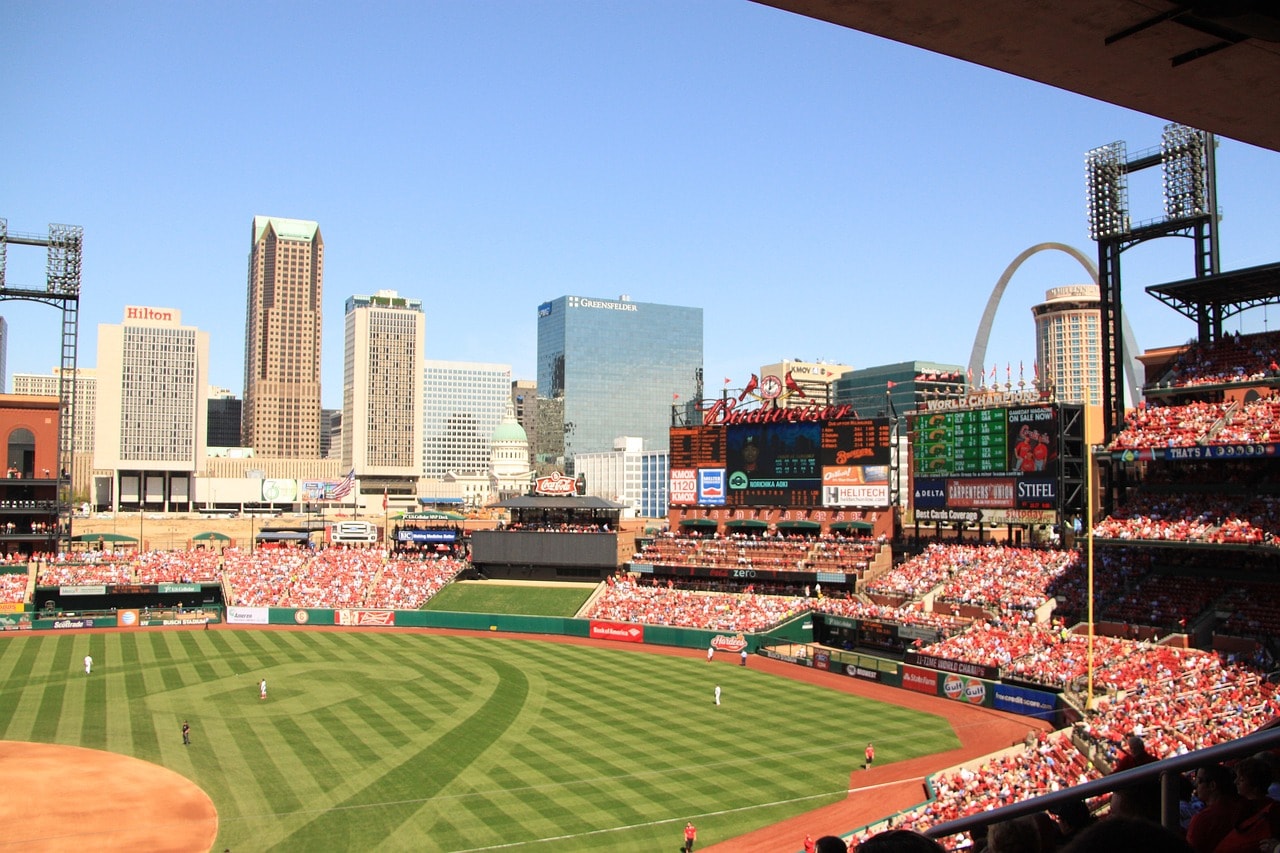
Since then, the city has experienced stagnation and its center has deteriorated, but there's still plenty to see and do. The symbol of the city is the enormous Gateway Arch, in the national park downtown. Not far from the Arch is the Anheuser-Busch brewery, producer of the popular American beer Budweiser.
Click here for all the information about a trip to St. Louis…

How to plan a travel itinerary in St. Louis?
St. Louis is a bit off the beaten track from the popular road trip routes in the USA. The city is located in the heart of the Great Plains, in the wide and somewhat empty areas bordered by Chicago to the north, the Appalachians to the east, Kansas City to the west, and Tennessee to the south.
- If you're including St. Louis in a road trip, it's definitely worth finding accommodations in or near the city
- The driving time from St. Louis to Chicago to the north or Nashville to the south is four and a half hours
- The drive to Kansas City, the largest city on the other side of Missouri, is three and a half hours
- A square route can be made around the city starting from Chicago and including St. Louis, Nashville, and Memphis in Tennessee, then heading down along the river to New Orleans
- Another trip route that you can include Saint Louis in is the big loop starting from Chicago to Mount Rushmore and Yellowstone Park and returns from the Rocky Mountain National Park and Denver via Saint Louis. This travel route combines big cities with some of the most attractive parks of the Rocky Mountains.
The tour of Saint Louis itself is mostly centered around the axis of the Gateway Arch mall. The mall stretches from the western bank of the Mississippi River, from the spectacular arch westward along a series of green squares.
- Near the mall, besides the Gateway Arch, the city's symbol, you also have Union Station, the Citygarden Sculpture Park, Busch Stadium, the Old Courthouse, and more.
- Not far, a bit to the south, is the Anheuser-Busch Brewery, the second must-see site in the city.
- In the western outskirts of the city, you'll find the botanical gardens at Tower Grove Park and all the excellent museums at Forest Park.
- Forest Park itself is a great attraction for a walk. Besides the many museums, the park has stunning landscape design, and it's worth visiting the pavilions of the 1904 Louisiana Purchase Exposition held in the city, just before the Olympics.
Everything You Need to Know About Lodging and Hotels in St. Louis
- Generally, it's better not to stay in the center of St. Louis, as the city isn't the friendliest, especially after dark. The abundance of motels nearby provides the best lodging solution for staying close to the city.
- If you decide to stay downtown, try to find a hotel as close as possible to the Gateway Arch National Park. Near the park, there are large urban hotels rated three and four stars, some of which are really good (and some not so much).
Staying outside the city center is almost a uniform American standard of motels and hotels located near highways. Motels have adjacent parking, an almost uniform standard of facilities and services, and generally, they are quite good and suitable for those traveling by car in the heart of America.
- The best area to stay in the St. Louis metropolitan area is the western suburb of St. Peters, near highway 70. On the route in St. Peters, you can find all major motel chains such as Holiday Inn, Drury Inn, Days Inn, Comfort Inn, and more. Slightly to the east on the route, you’ll also find more upscale hotel brands like Marriott, Hilton, Radisson, and others.
- Near the Lambert Airport terminal, on the I-70 highway, there's a cluster of motels and hotels from all the big chains. This spot includes both very outdated hotels and newer ones. The old hotels are really in poor shape and are not worth staying at, so make sure to find the newer ones. If you're booking a hotel in the area, it's crucial to read the reviews on Booking or TripAdvisor.
Click here to find accommodation in St. Louis hotels…