Daytona Beach – A trip to the car racing city
Daytona Beach is a popular resort city located along the long sandy coast of a barrier island. Over the years, the city has become a favored vacation spot in the developing area between Orlando in the south and Jacksonville in the north. In the mid-1950s, when the prestigious American NASCAR race headquarters were established in the city and the racetrack was opened, Daytona Beach experienced a tourism boom and today it is one of the most popular vacation destinations in Florida. Along the coast, there are resort hotels that are very popular with students during spring break.
How many days are needed for a trip to Daytona Beach?
For a trip in Daytona Beach itself, you need half a day. You need another day to visit the beautiful nearby cities north of the Orlando metropolitan area and the nature sites in the region.
Daytona Beach is a very popular destination for a youthful vacation.
Click here to check availability and prices at the beach hotels of Daytona Beach…
What must-see attractions and activities are there in Daytona Beach?
- A NASCAR race at the Daytona International Speedway
- Relax on your back at the Daytona Beach resort coast
- The tropical garden at the Ormond Memorial Art Museum and Gardens in Ormond Beach
- Climb the Ponce de León Inlet Lighthouse
- Watch manatees at Blue Springs Park
- A sightseeing cruise on the St. Johns River in Sanford
- The southern Victorian-style historic district in Mount Dora
What is Daytona Beach?
The small town of Daytona Beach lies on the Atlantic Ocean halfway between Cape Canaveral and the large city of Jacksonville. Technically, it still belongs to the greater Orlando metropolitan area, with the downtown of the big city just a 50-minute drive from Daytona.
- Daytona Beach is home to about seventy thousand people, but throughout the year, the city's population almost doubles with a massive number of tourists.
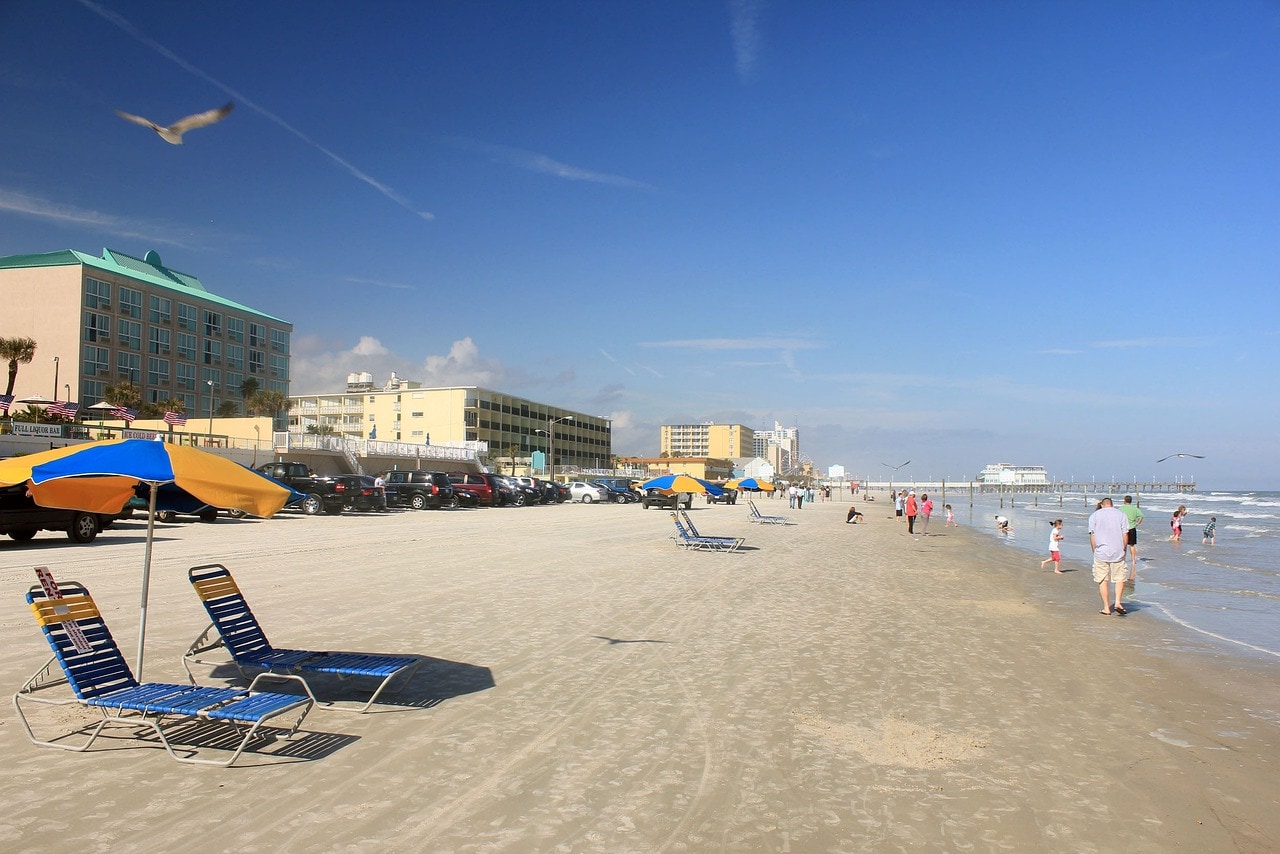
- The city is a well-known and important tourist destination, mainly due to its long sandy beaches in the Seabreeze Historic District.
- Along the long barrier island, there are a large number of beach hotels and resorts, highly popular among students heading out for spring break.
Daytona is also famous for the most important event held in the city at the start of every February, the massive NASCAR Speedweeks race. This event is held at the Daytona International Speedway, a huge racing track close to the city's airport. The race attracts nearly a quarter of a million people every winter, and the city just bursts with racing enthusiasts.
Click here for a behind-the-scenes tour of NASCAR's Daytona 500 race at the Speedway…
Map of Daytona Beach
How to get to Daytona Beach?
How to fly to Daytona Beach?
The airport is well-connected with all the major US airports and several destinations in Europe. You can reach Orlando directly with a transfer from European destinations like London or Frankfurt. The airport is only a twenty-minute drive from Lake Buena Vista, plus a few more to the parking lots of each theme park. The travel time from Orlando Airport to Daytona Beach is just one hour and ten minutes.
Click here to find attractive airfare prices to Daytona Beach…
Daytona Beach International Airport (DAB) – Despite its impressive name, Daytona's airport is small, and most visitors to the city come from the direction of Orlando. The airport is very limited in its routes, mainly connected to Hartsfield-Jackson Atlanta Airport, the most connected airport in the U.S. The airport is located adjacent to Daytona Beach's famous race facility, just a 5-minute drive from the beach.

How to get to Daytona Beach by car?
Daytona Beach is located on the outskirts of the Orlando metropolitan area, about a 50-minute to one-hour drive from the big city and the Disney World resort. It is connected to Orlando by the I-4 highway, which crosses Florida from coast to coast, connecting Daytona with Tampa Bay.
The city is located near the I-95 route, the highway that runs along the entire Atlantic coast from Maine to Miami. Highway No. 1, the interstate that parallels I-95, is the main street of the small town. The drive on I-95 from Daytona to Jacksonville to the north takes about an hour and a half, and it's an hour's drive south to Cape Canaveral.
When to visit Daytona Beach?
Daytona Beach has two peak tourist periods during which finding accommodation is extremely difficult:
- In early February, with the NASCAR race week taking place at the Speedway, between two hundred thousand and a quarter of a million tourists flock to the city.
- Every spring, around the university's annual Easter break, the city fills with thousands of students letting loose. This is Florida's legendary Spring Break.
Click here for a guided kayak tour in Daytona Beach…
Beyond that, getting to the city is influenced by Florida’s typical weather:
- The best time to visit Daytona Beach is in spring, when the weather is simply fantastic for a trip, and there are plenty of sunny hours
- In the summer, the city, like all of Florida, is hot and sweaty from the humidity, but it's the perfect season to relax at beachfront resorts
- The winter in the city is perfect weather-wise, and you can even swim in the ocean waters that are still cool but refreshing
- Fall is also a pleasant season, as the weather is no longer as humid as summer, but the days are shorter
- From late spring to fall, hurricane season begins, which can also threaten the peaceful city. It's wise to keep an eye on the forecast, and in case of a tropical storm or hurricane, avoid going there. Daytona has been hit by a few hurricanes that have caused damage.
How to Plan a Travel Route in Daytona Beach?
The trip to Daytona Beach is typically part of the journey from northern Florida to its central and southern parts. You can combine a visit to the city with important nearby cities and attractions such as Cape Canaveral, St. Augustine, and of course, Orlando and Disney World. Most people who visit the city come from Orlando as part of a trip to the triangle of Disney World, Cape Canaveral, and Daytona Beach, the famous NASCAR racing city.
- The city tour focuses on the vibrant block in the heart of the Shield Island created by the Sybriz Boulevard, Atlantic Avenue, and Main Bridge Avenue. This is the bustling heart of the resort city with most of the entertainment spots and restaurants (hotels are located all along the coastline up to Ormond Beach to the north)
- It's also worth taking a short trip to Ormond Beach, to visit the two museums and gardens in the historic center
- The Ponce de Leon Lighthouse is a short drive south of Daytona Beach
- From Daytona Beach, it's a good idea to head west towards Blue Springs and combine the visit to the springs and the rugged nature with a short trip to the historical tourist centers of Osmand and Mount Dora, where there's a wonderful southern atmosphere
Click here for a Polynesian-style dinner with a spectacular show…

Everything you need to know about lodging in Daytona Beach
If you're staying in Daytona Beach (and not just visiting for a day trip from Orlando), the city offers a wide range of accommodations with a slightly vintage touch.
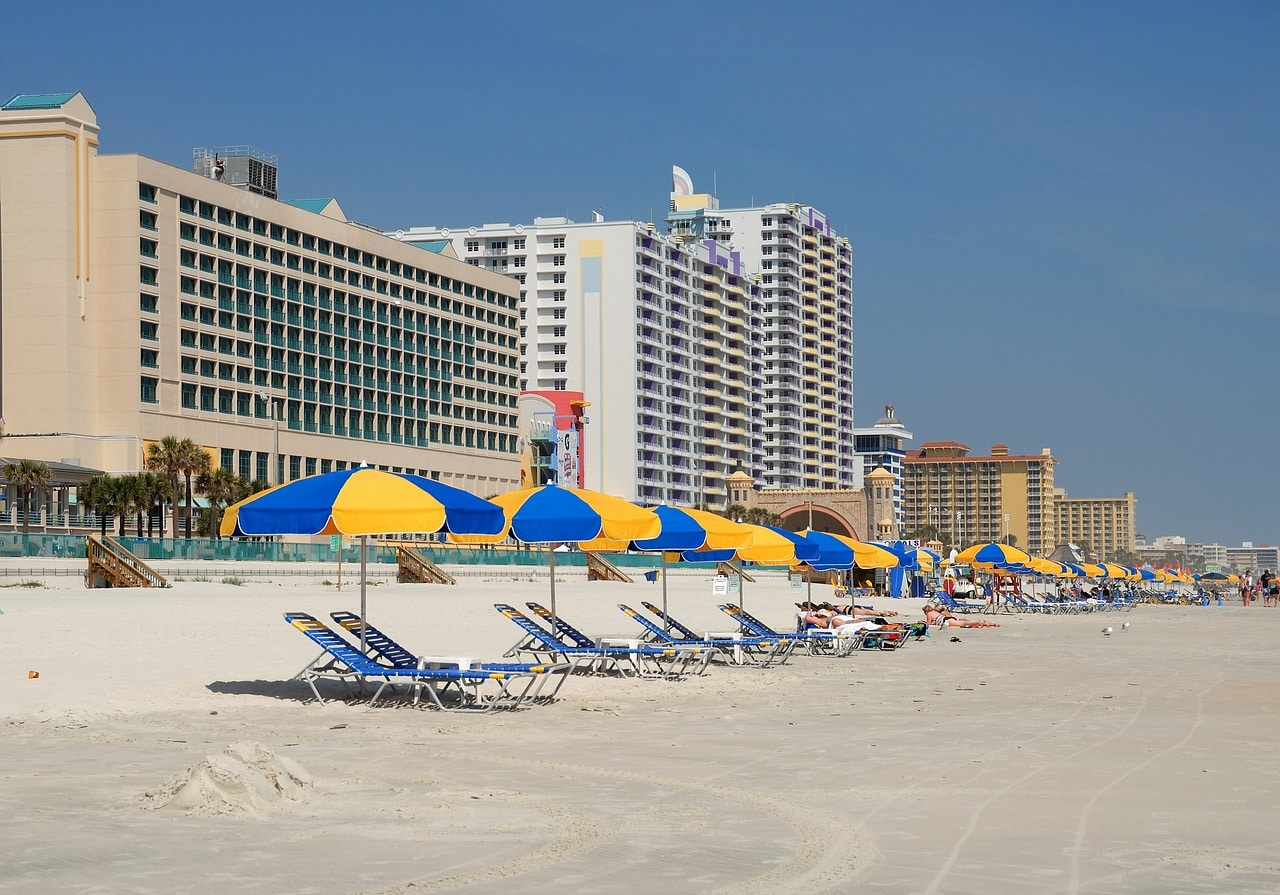
- The largest and most significant concentration of hotels is located along the Atlantic coastline, where dozens of large resort hotels are spread across the entire barrier island beachfront
- These hotels offer direct access to the island's magnificent sandy beach, popular among surfers and the young crowd. They reach full capacity during Easter, as part of the spring break of students from colleges and universities across the USA
- During this time, the city is filled with students, and the hotels and beaches become the foundation for one big continuous party lasting several days
- Along the coast, you'll find brands from major chains like Hilton, IHG, Best Western, and more
Another cluster of hotels and motels can be found along the International Speedway Boulevard, the avenue connecting the beach with the racetrack. These hotels are mainly popular among the crowd coming to watch the race. There are also several small resorts from big companies such as Hilton, Marriott, and more.
Click here to find accommodation at Daytona Beach hotels…
Everything to See and Do in Daytona Beach
Daytona International Speedway
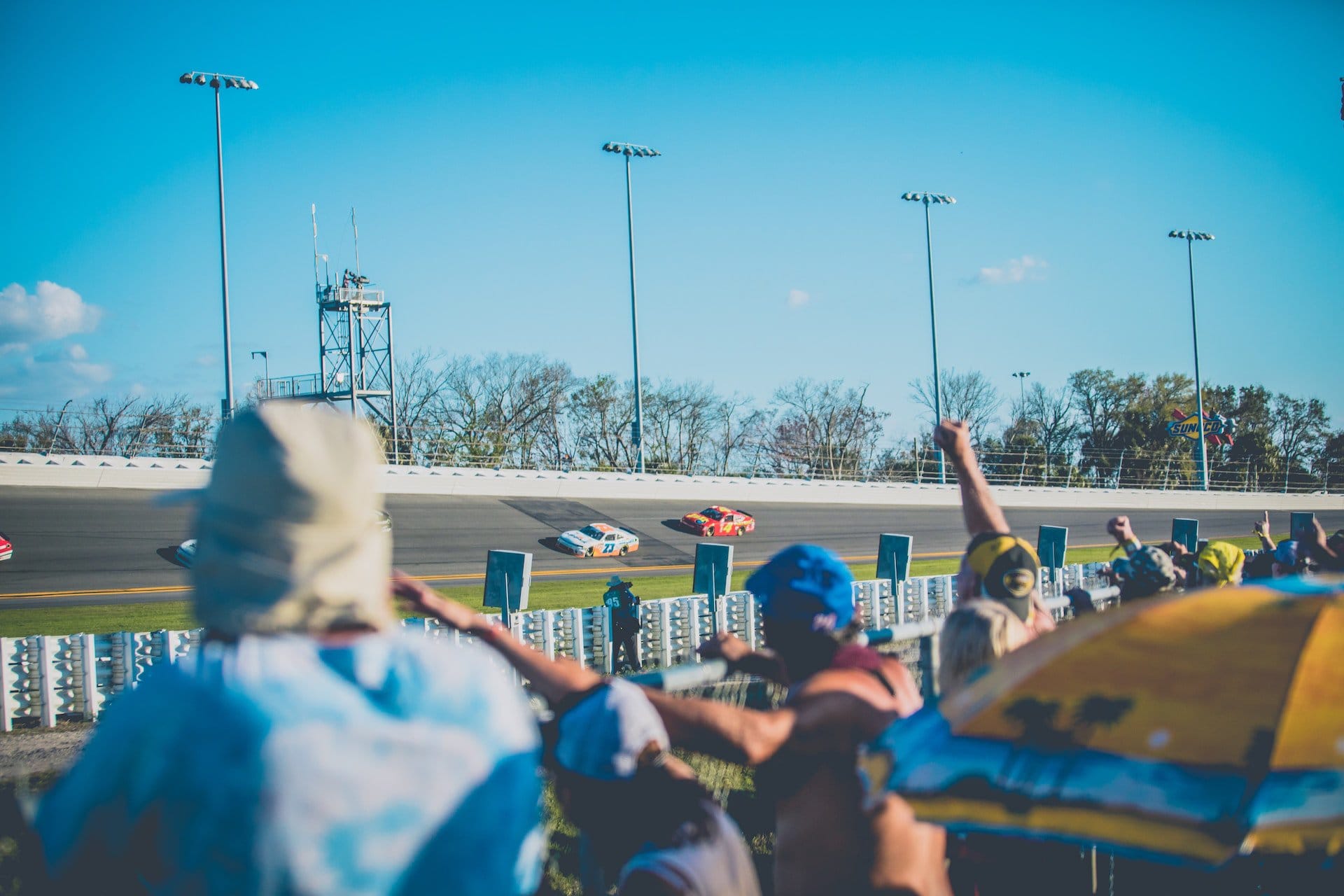
The most popular spot and the number 1 attraction of Daytona (when there’s a NASCAR race in early February). The massive professional track is located next to the city’s small airport. The Daytona 500 race, the most prestigious race and pinnacle of the NASCAR competition (National Association for Stock Car Auto Racing), is held here. The city is also the main headquarters for NASCAR, an annual competition that is the American version of Formula 1.
The track began operating in 1959 and is considered one of the largest in the world. The stadium around the track can accommodate over one hundred and fifty thousand spectators. During the competition week in early February, the place is packed to capacity, and the whole city is in a festive mood.
Click here to purchase tickets for NASCAR races in Daytona Beach…
The Daytona Beach Resort Strip
The main streets of Daytona Beach stretch across three roads:
- Seabreeze Boulevard – the heart of Seabreeze Historic District to the north
- Atlantic Avenue, the hotel-filled avenue running along the Atlantic Ocean beach
- Main Bridge Avenue – the main and lively street of the Surfside Historic District
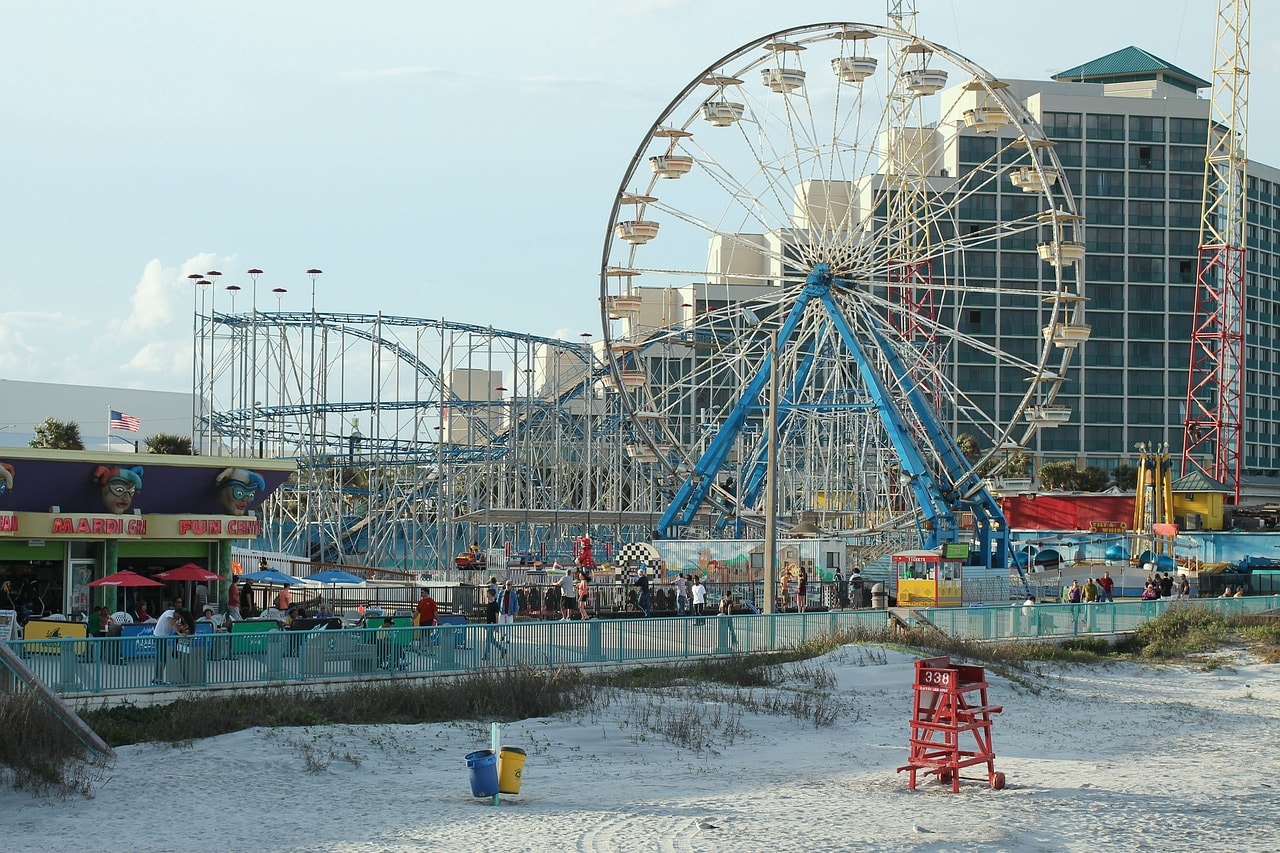
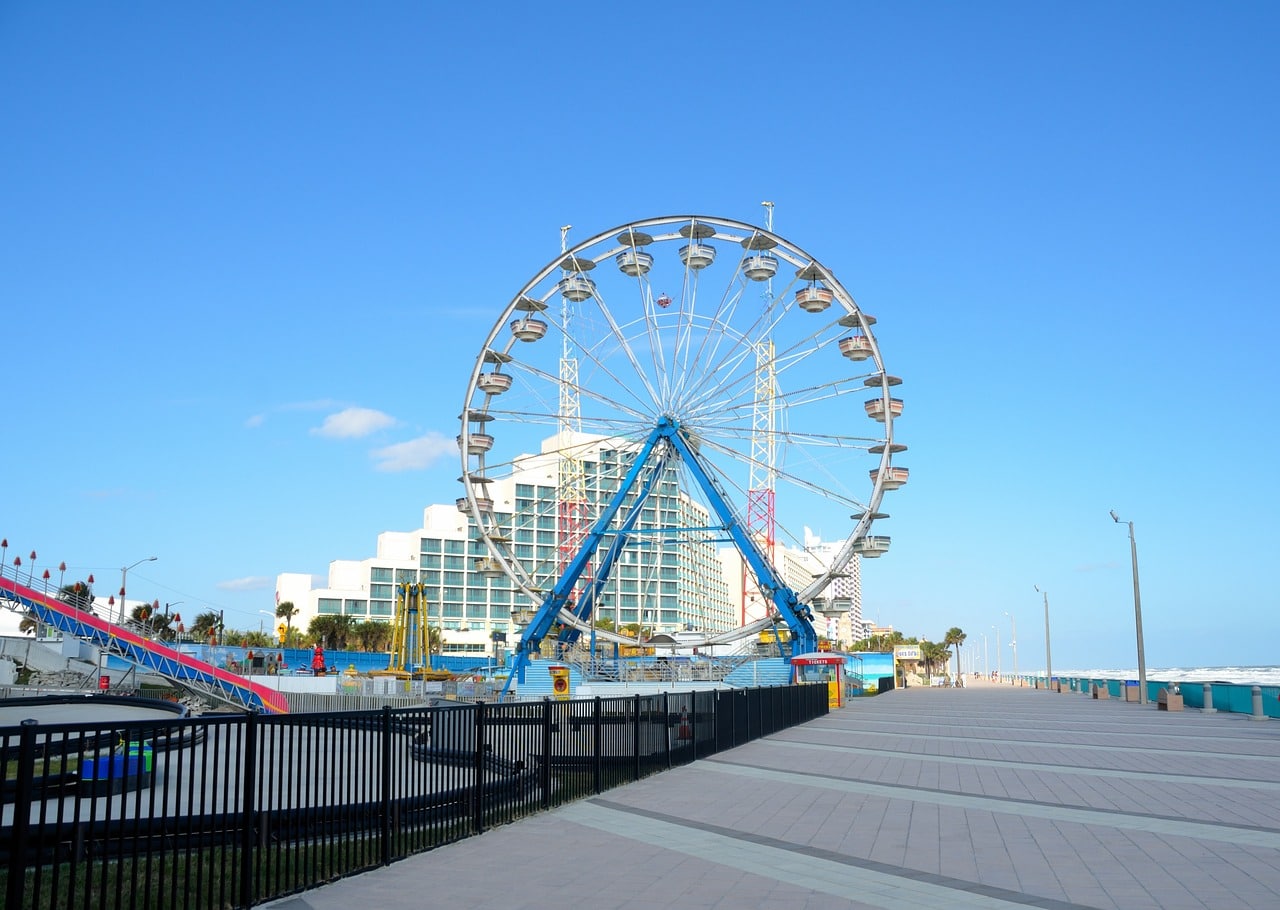
Within the square formed by the three avenues and the Halifax River (the river that separates the barrier island from the mainland), you'll find amusement parks, water parks, restaurants, shops, bars, and everything you need for a vacation.
Atlantic Avenue is Daytona Beach's long resort strip, lined with a multitude of large resort hotels, mostly around three to four stars, appealing mainly to the younger crowd.
Ormond Beach
The small town adjacent to Daytona to the north, on the northern part of the barrier island, has always been a favorite winter vacation spot for America's rich. In Ormond Beach, Henry Ford and John D. Rockefeller built their estates, enjoying the perfect Floridian weather in winter and the stunning views of the beach and ocean.
Ormond Memorial Art Museum & Gardens showcases rotating exhibits of local artists. It's worth visiting the museum mainly for its beautiful tropical gardens.
Adjacent to the museum, The Casements was the winter home of John Rockefeller. The house gardens are now a public park called Rockefeller Gardens. The house and park stand next to the bridge leading to the barrier island along the Halifax River. Today, the building serves as a cultural center displaying early 20th-century Americana memorabilia.
Ponce de Leon Inlet Lighthouse & Museum
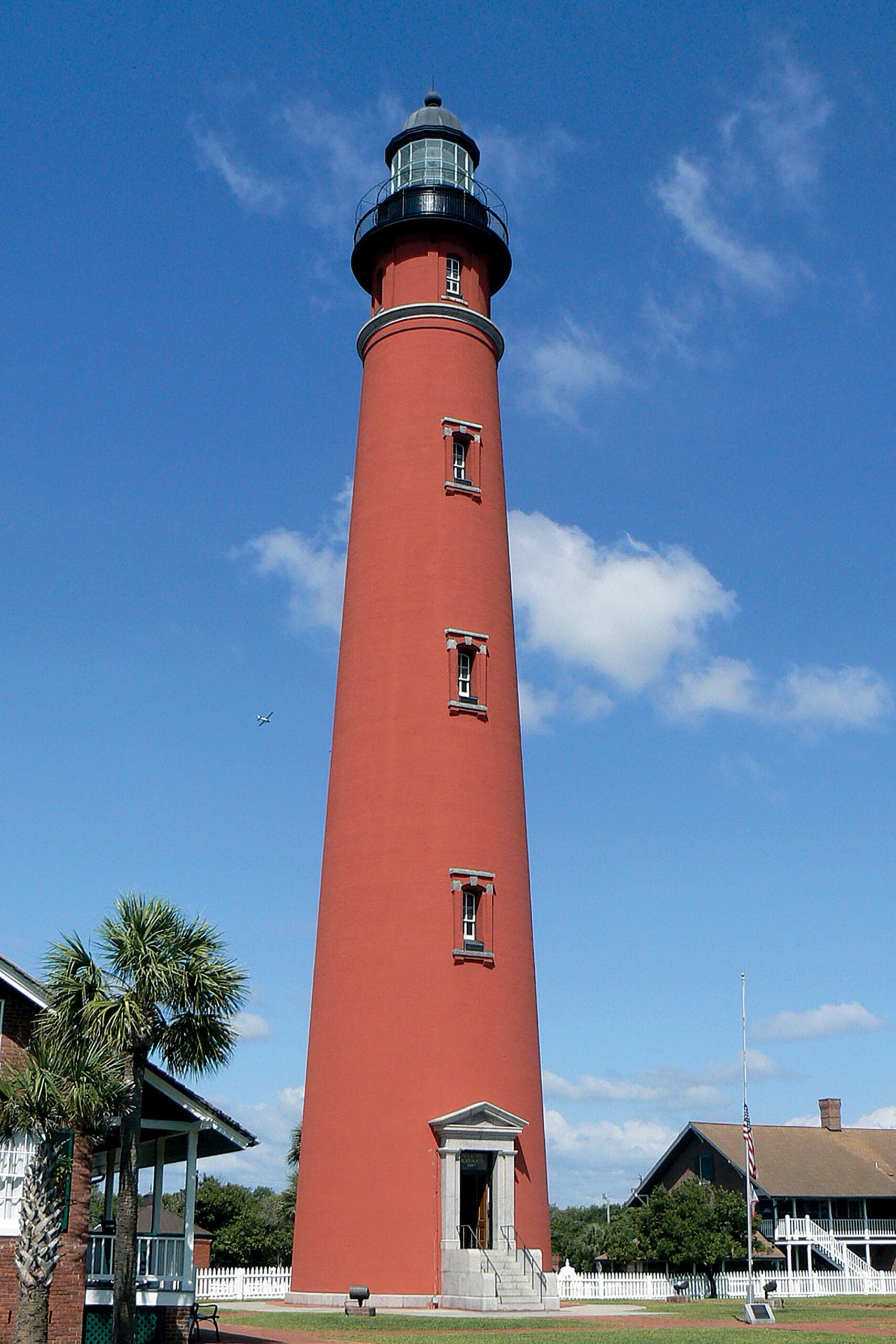
The impressive red lighthouse named after the Spanish explorer who arrived in Florida in the early 16th century. It's located a twenty-minute drive south of Daytona Beach on Highway 1. The lighthouse sits at the gateway to the barrier island, at the southern tip of what is referred to as the Halifax River. Built in 1887, it stands about 53 meters tall. Today, the lighthouse is a popular destination for visitors to Daytona Beach coming from the south.
Address: S Peninsula Dr. 4931, Ponce Inlet
Click here for all the information about visiting the museum and climbing the lighthouse…
Everything to See and Do Around Daytona Beach
Blue Springs Park
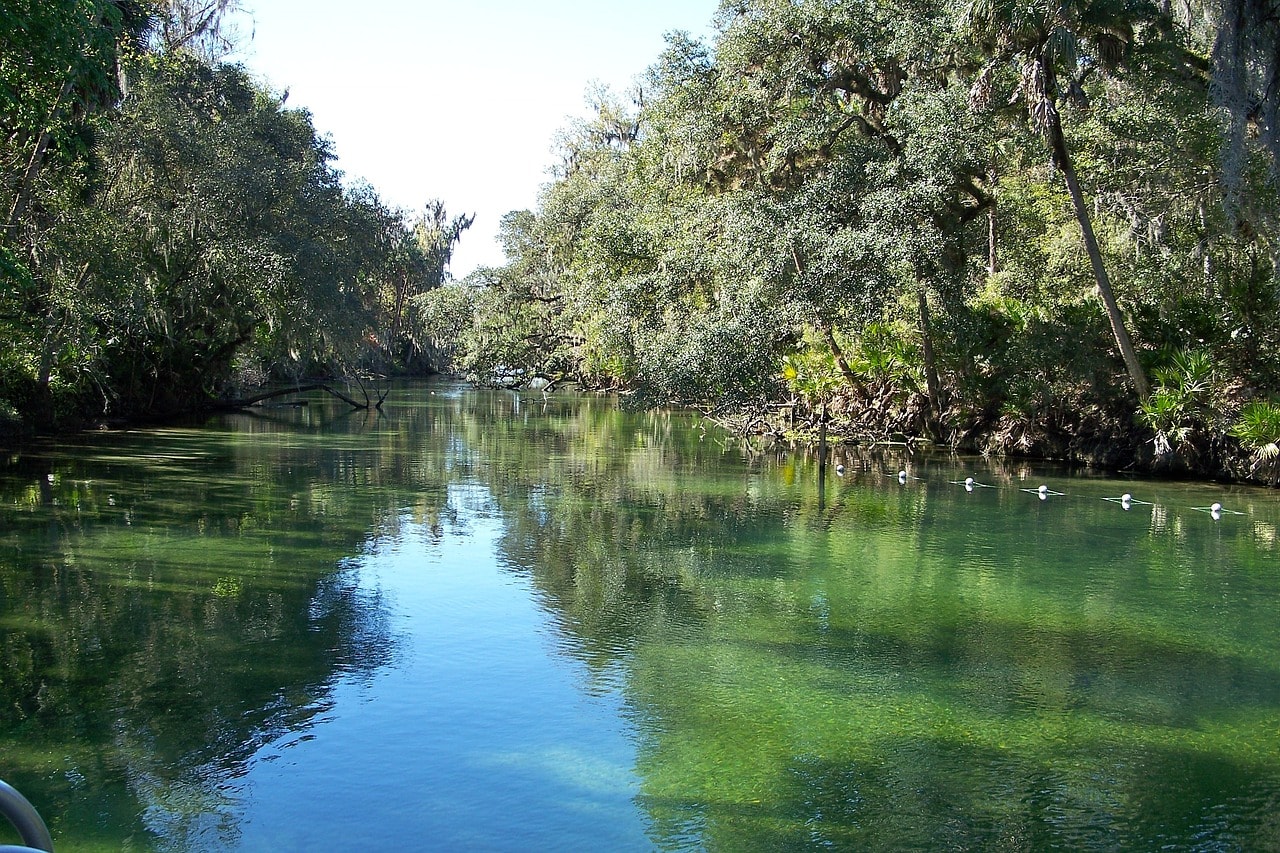
About a 40-minute drive north of Orlando and an hour from Daytona Beach, you'll find the Blue Spring Park. It's a fantastic opportunity to see manatees (Manatee) in a spot that's not too far from the city, with nature that's simply stunning. As its name suggests, Blue Springs is a natural spring that connects to the St. John River. It's on a USA scale, which means it's impressively large. There's a fee to enter the park per vehicle, and like most Florida state parks, it opens at 8 AM and closes at sunset.
In winter, starting from November and peaking in February, especially in the early morning, you can see dozens and maybe even hundreds of manatees swimming in the shallow spring waters. The spring's waters are cool, and during winter, swimming is prohibited due to the arrival of the manatees and to protect them. However, from spring to fall, it's an excellent spot for a dip in the wild nature, to refresh from Florida's stifling heat. You can rent tubes or kayaks at the park.
Organized cruises at fixed times, 10:00 AM or 01:00 PM, with a guide depart every day. Tickets can be booked in advance or purchased on-site. During holidays or the peak of manatee season, it is highly recommended to book in advance.
Address: W French Avenue, Orange City
Sanford
The small town of Sanford is located in the northern part of the Orlando metropolitan area, halfway between Downtown Orlando and Daytona Beach. It's situated near the I-4 route, about a half-hour drive from Orlando itself. The historic city was founded in 1877 as a tourist destination connected to Jacksonville to the north and also includes the nearby Blue Springs Park. A navigation route on the St. Johns River connected Lake Monroe with the Jacksonville of the past, and the city of Sanford was a popular leisure spot for the wealthy from the big city to the north.
The historic Downtown Sanford continues to draw an impressive number of tourists to this day. The city's historic center has undergone restoration and renovation, filled with late 19th-century facades now housing numerous antique shops, restaurants, and entertainment venues. You can still take a tourist cruise on the St. John's River or stroll along the city's Riverwalk, leading to Fort Mellon Park.
Mount Dora
Like Sanford, Mount Dora is a small Floridian tourist town that combines Southern charm and appeals to the “northern” crowd settled in South Florida. The town is a 35-minute drive east from Sanford and forty minutes north of downtown Orlando. Mount Dora's historic center along Lake Dora features numerous Southern Victorian-style homes hosting restaurants, unique shops, and entertainment spots.