Jackson Square in the French Quarter of New Orleans

How much time is needed for a tour of Jackson Square in New Orleans?
The tour of Jackson Square and its surroundings is part of the tour of the French Quarter in New Orleans. The tour of the quarter takes at least a day, including a visit to the various wings of the Louisiana State Museum located in the historic buildings of the quarter.
11 Things You Must See and Do at Jackson Square in New Orleans
- Jazz and Artist Paintings at Jackson Square
- The Stunning Facade and Interior of St. Louis Cathedral
- Mouthwatering Cajun Street Food at the French Market
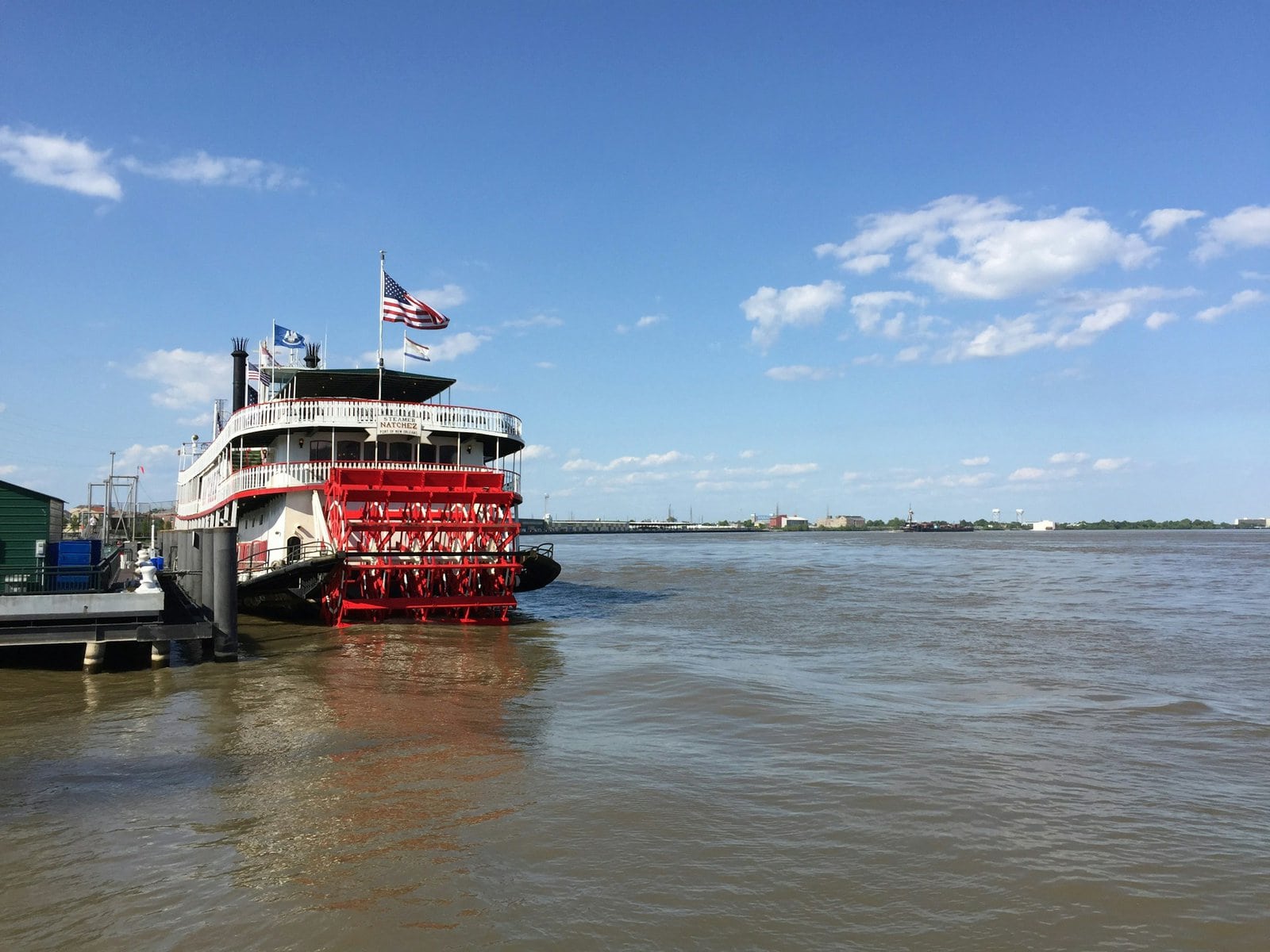
- Vintage Southern Cruise on the Steamboat Natchez
- New Orleans Jazz Museum
- Bohemian Vibes at Pirates Alley
- History at The Cabildo
- Louisiana State Museum and Exhibits on Hurricanes and Mardi Gras at The Presbytère
- The Impressive Facades of the Pontalba Buildings and the 1850 House Museum
- Stroll Along the Mississippi at The Moonwalk Riverfront Park
- Dreamy Beignet at Cafe Du Monde
Click here for all the information about traveling to New Orleans…
Click here to check availability and prices at New Orleans hotels…
What is the environment around Jackson Square in New Orleans?
Jackson Square is the heart of the French Quarter in New Orleans. Originally the seat of French government and law, it is now a beloved tourist destination, full of tourists and local artists.
- The square was the center of life in the French colony when New Orleans was founded in 1718
- In 1763, the French leased the city to Spain
- After large parts of the square's buildings, like nearly all the buildings of the French Quarter or the Vieux Carré (The Old Quarter in French), were destroyed in the fires of 1788 and 1794, the square was later rebuilt in a Spanish colonial style
- In 1803, the French transferred control of all of Louisiana to the United States. The residents of the quarter still spoke French and were called the Cajuns or les Acadiens.
- Around the square are some of the most important buildings of old New Orleans. The most significant among these buildings is the Cathedral of St. Louis, one of the most famous landmarks of New Orleans and the French Quarter, along with jazz.
- Nearby are additional important historical public buildings of the city, including the Presbytere, the Arsenal, the Cabildo, and Pirate's Alley.
- The green square, which is more of a small urban park than a square, is nestled right in the heart of the happenings in the touristy and spectacular French Quarter of New Orleans, on Chartres Street and two blocks from Bourbon Street.
- A little east of the square, the Mississippi River flows gently.
- The square is a fantastic base to start your tour of the French Quarter, brimming with sites and visitors. The benches, atmosphere, greenery, and beautiful surrounding buildings make it a great stop for a break while exploring the French Quarter.
Click here for the full mystical tour of New Orleans – haunted houses, voodoo, and vampires…
Map of Jackson Square in New Orleans
Everything to see and do in Jackson Square, New Orleans
Jackson Square
Jackson Square is the heart of the French Quarter in New Orleans. It's more of a bustling city park than a square, with lawns and trees surrounding the impressive statue of General Andrew Jackson. The statue depicts the general on horseback as the young commander of the Tennessee regiments, years before he was elected as the seventh President of the USA. Jackson led the Americans to victory in the Battle of New Orleans during the War of 1812 against the British, and since then, he holds a place of honor in the city.
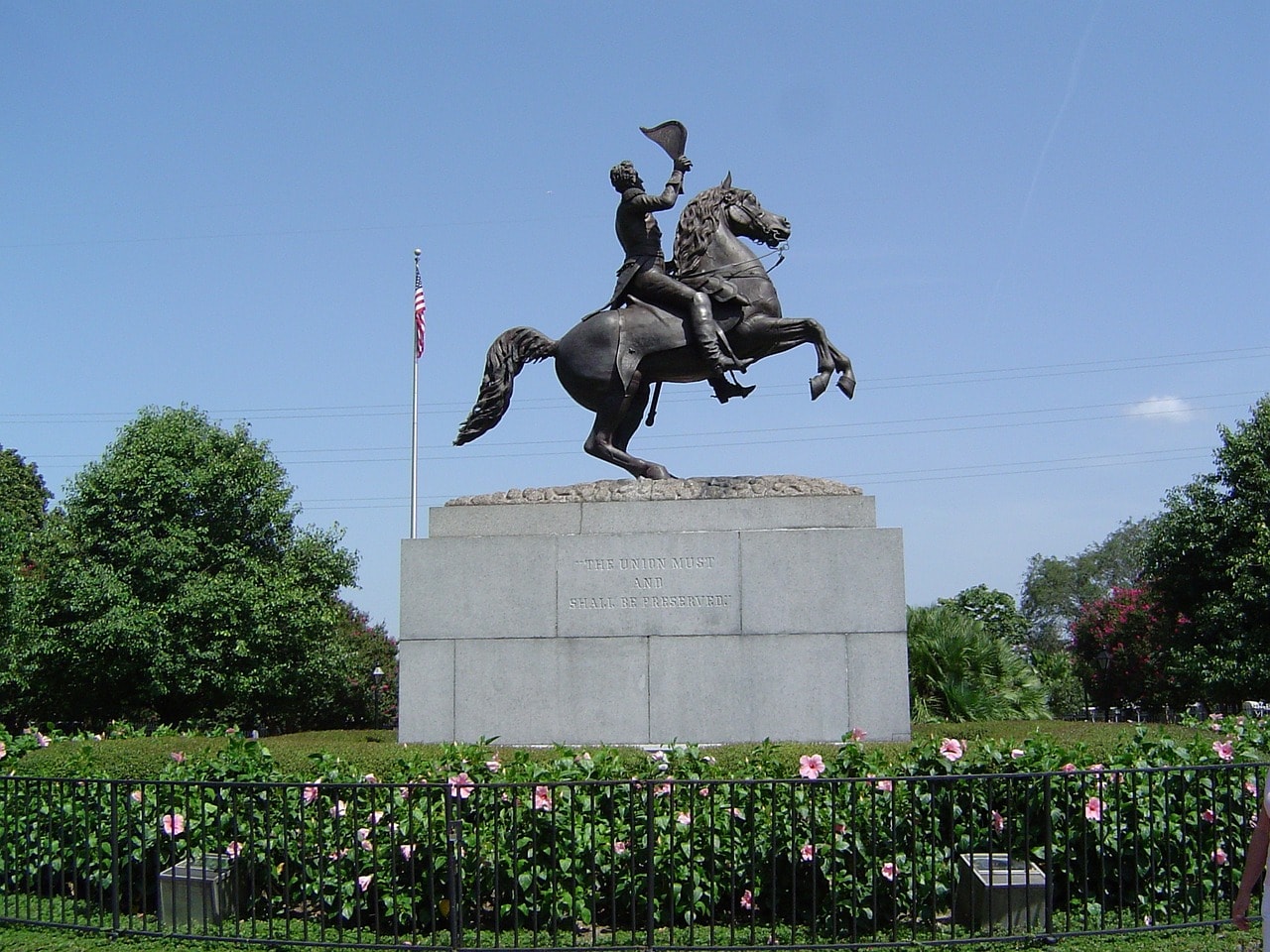
Until 1850, the square was named Place d'Armes, the Weapons Square, after the nearby arsenal. During this period, the square served as the law enforcement center for the French rulers and the site of executions.
Over the years, the square became a magnet for artists, and by the 1920s, it was renowned as the meeting place of the South's greatest artists. By the 1960s, the artists were replaced by hippies and the New Age crowd.
Today, the square is filled with artists painting tourists or selling paintings. It's a lovely place to hang out, have lunch, or enjoy a coffee on the benches. Surrounding the square are some of the city's most important historical buildings, and the greenery combined with the buildings makes the square especially photogenic.
Click here for a guided night jazz tour of all the musical gems of the French Quarter…
St. Louis Cathedral
The cathedral named after King Louis IX, also known as Saint Louis, the mythical king of France in the 13th century (the city of Saint Louis is also named after him), is the oldest among all Catholic cathedrals in the USA. It was originally built in 1718 but was destroyed by a hurricane about four years later. It was rebuilt but caught fire in 1788. It was not completed until the mid-1850s and has since become a hallmark of New Orleans.
The cathedral's facade features a variety of different European architectural elements, such as neo-Gothic spires and a Spanish Colonial style frontage. The interior of the cathedral is also stunning, fitting for a Catholic holy place, combining Baroque elements with a very clean and elegant space.
The charming St. Anthony's Garden is nestled at the back of the St. Louis Cathedral. It's caught between Pere Antoine Alley, separating the cathedral from the Presbytère, and Pirates Alley, which separates the cathedral from the Cabildo. The garden is part of the cathedral complex and features religious statues.
Address: Pere Antoine Alley, 615, New Orleans
Click here for all the information on visiting hours for the cathedral and mass times…

Pirates Alley
Pirates Alley is the narrow passage between the St. Louis Cathedral and the Cabildo building. It extends northward along St. Anthony's Garden at the back of the cathedral. It got its name because the alley was frequented by and pursued two of the city's most famous pirates – Jean and Pierre Lafitte. Today, the alley is a popular tourist spot, filled with curious visitors and a few bohemian shops and cafes.
The Cabildo
The Cabildo building is located to the left of St. Louis Cathedral on the western side of Jackson Square. This is the city hall structure that the Spanish built in the last decade of the 18th century, serving as the center of Spanish colonial government in the city. Originally, the building was called the Casa Capitular or Assembly House and later became the official city hall of New Orleans.
Following the Louisiana Purchase in 1803 and its incorporation as a U.S. territory, the building served the Louisiana Supreme Court. The negotiation and signing of the historic agreement took place in the building on December 20, 1803. The agreement solidified the United States' status as an empire.
Today, this stunning historic building is part of the Louisiana State Museum. It features a fascinating historical display of the Battle of New Orleans that took place in the city in 1812 against the British forces. Besides the story of the battles and Andrew Jackson's victory before he became a superstar and President of the USA, there are other theme exhibitions on the city's history. At the back of the building, the city's historic arsenal building, The Arsenal, is also part of the museum and can be visited as well.
Address: Chartres St. 701, New Orleans
Click here for the museum's current opening hours…
The Presbytère
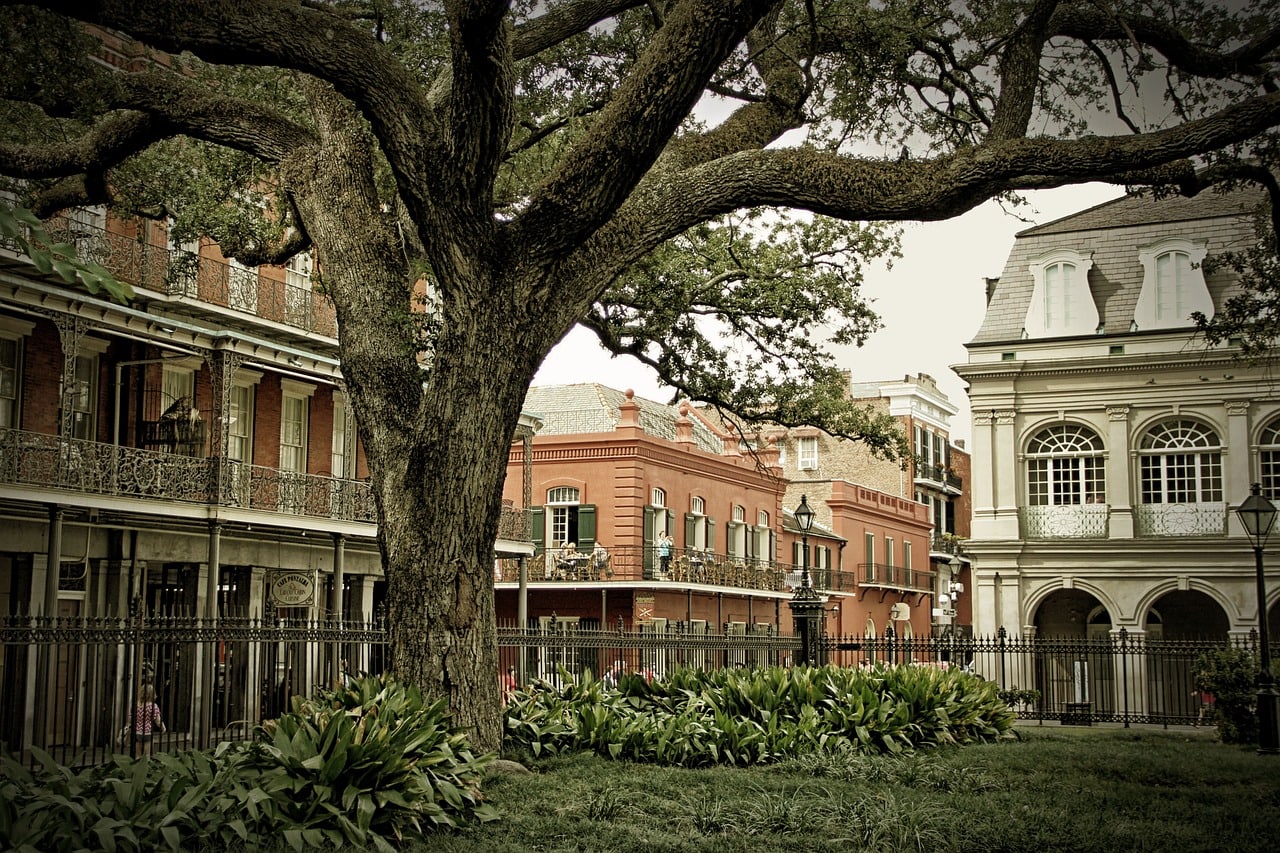
The unique structure of the Presbytère is located to the right of St. Louis Cathedral as you face Jackson Square. Today, the building, together with the Cabildo on the other side of the cathedral, are both spaces belonging to the Louisiana State Museum. Although both buildings were designed as a single unit, the building was completed in 1813, almost 20 years after the completion of the Cabildo, the historic city hall of New Orleans. The building is one of the most important examples in New Orleans and the USA of the Spanish Colonial architectural style.
Currently at the Presbytere, you'll find fascinating displays about the city's history. There are two permanent exhibitions. One focuses on the cultural and lively side of the city, highlighting the Mardi Gras festival, the iconic winter carnival. The other deals with the city's iconic tragedy, the horrific impact of Hurricane Katrina. Katrina wreaked havoc on the city in the summer of 2005, and shortly after, the city was also hit by the formidable Hurricane Rita, the strongest storm to strike the Gulf Coast. Katrina flooded the city, while Rita affected the already devastated city about three weeks after Katrina's direct hit.
Address: 751 Chartres St., New Orleans
Click here for the museum's current opening hours…
Click here for a guided tour on an air-conditioned bus through all of New Orleans' main sites…
Pontalba Buildings
The Pontalba Buildings are located at the northeast and southwest corners of Jackson Square. Constructed in 1850 through the immense investment of Michaela Almonester, the Baroness of Pontalba, they showcase a stunning mix of Spanish, Moorish, and Oriental architectural styles. The ground floors of these four-story buildings were designed for shops and restaurants that still thrive today, overlooking the square. The upper floors, with their spectacular Art Nouveau balconies, were intended for residential use. These buildings are still regarded as some of the earliest apartment buildings in the United States.
The 1850 House in the eastern building is part of the Louisiana State Museum, where visitors can admire high-quality period furniture, Southern decorative items, and more. The museum section preserves the lifestyle of the city's wealthy from the mid-19th century and is a fascinating site for delving deeper into the story of the Pontalba Buildings.
Decatur Street
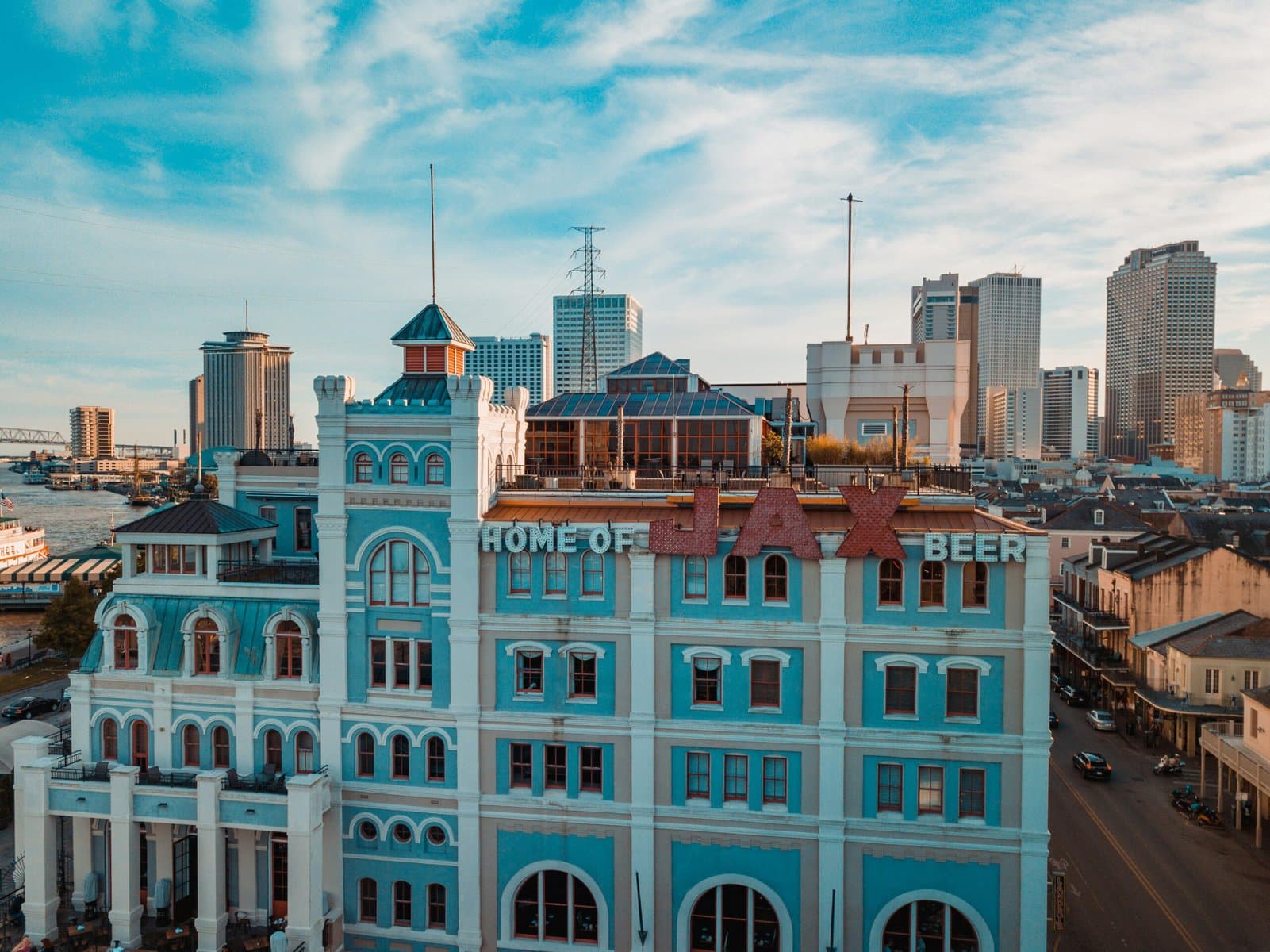
The southern (technically southeastern) part of Jackson Square is the vibrant Decatur Street. This street separates Jackson Square from the Washington Artillery Park, which is right on the banks of the Mississippi River. On the riverwalk, accessible by a bridge over the tracks, there's a memorial marking the Execution of Jean Baptiste Baudrau II. The street itself is one of the busiest and liveliest in the French Quarter, slightly more subdued than Royal and Bourbon Streets to the north.
The Moonwalk Riverfront Park
The Moonwalk is a beautiful riverside promenade along the Mississippi River that stretches north from Woldenberg Park to the bustling French Market of the quarter. The promenade is named after the legendary mayor Maurice Landrieu, who officially changed his first name to Moon. The promenade, near Jackson Square and Decatur Street, is filled with walkers, musicians, and a party atmosphere on the Mississippi River. Nearby is another tourist attraction – the steamboat Natchez.
Cafe Du Monde
The legendary café of New Orleans is located on Decatur Street, just a short distance from Jackson Square. It is a historic establishment that opened in 1862 and became famous for serving the Beignet, the iconic square donuts that are the star desserts of Cajun cuisine. Today, it is a very popular tourist spot and is known for the long line at the entrance.
Address: Decatur St. 813, New Orleans
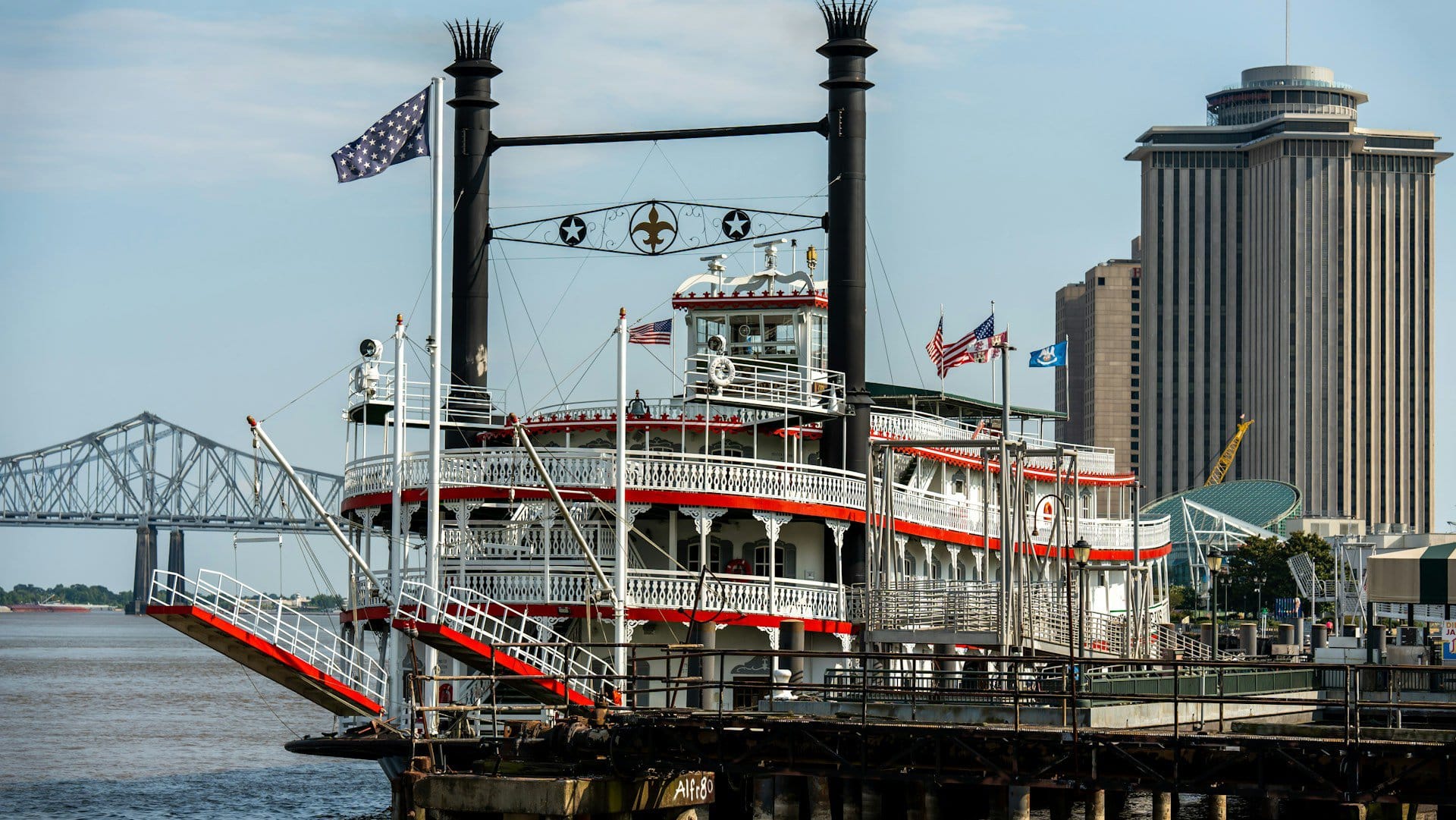
Steamboat Natchez
In the northern part of Woldenberg Park, just a short walk from Jackson Square, you'll find the docking spot for the partly retro, mostly vintage steamboat that's become a must-see attraction when visiting the city. The ship's design is inspired by the famous steamboats that sailed the tranquil waters of the Mississippi River from New Orleans in the south to as far north as St. Louis, Missouri. The steamboat started operating as an attraction in 1975, but many parts of it are original and come from old steamboats that started sailing 200 years ago or more.
The ship offers a peaceful, two-hour cruise departing from the dock at Woldenberg Park along the Mississippi River. The sailing experience stays true to the nature of the vintage steamboats of yesteryear, plus it offers a stunning view of the city from the river.
Click here to purchase online tickets (without waiting in line) for the Natchez steamboat cruise…
The French Market
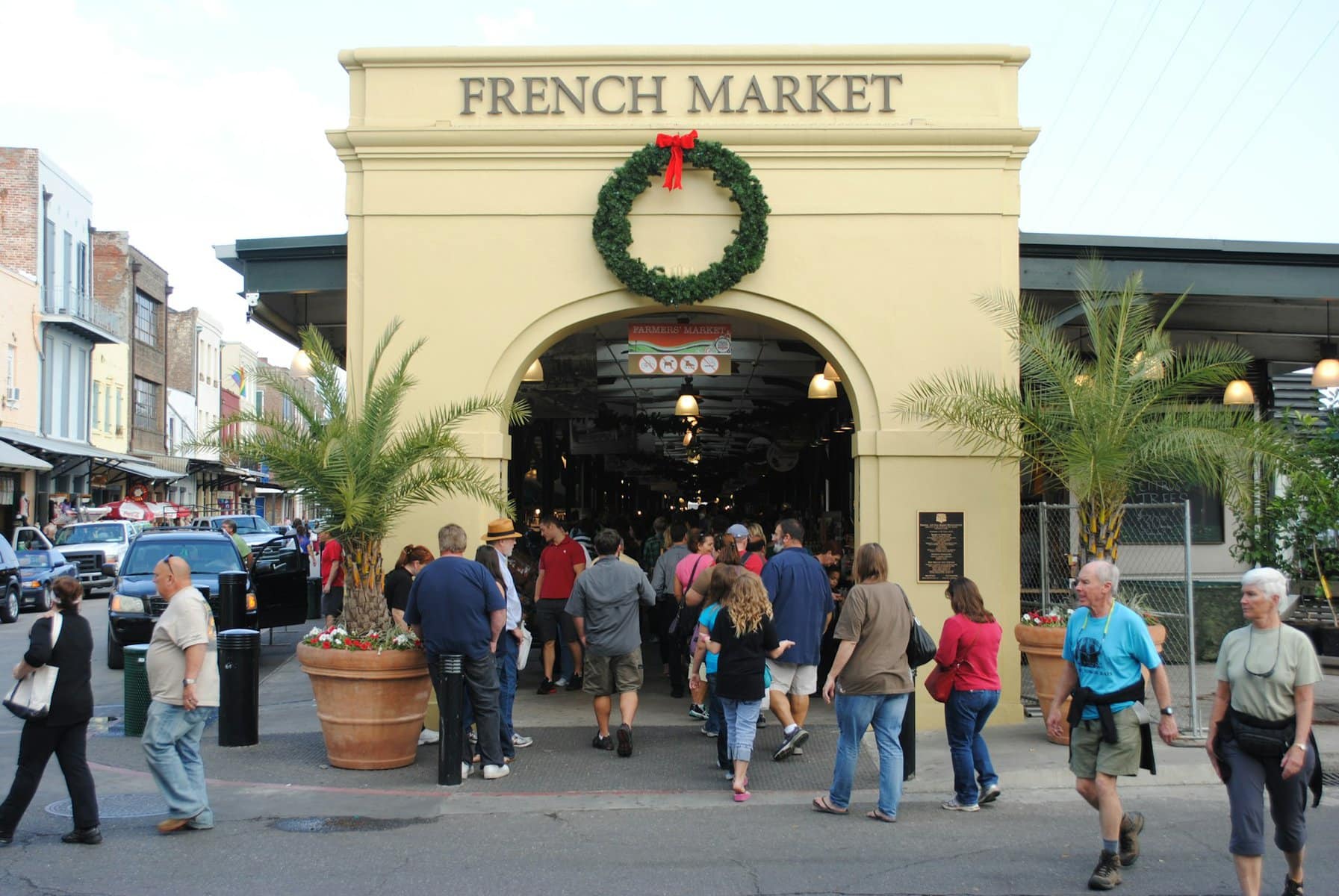
The French Market is one of the most tourist-friendly and fun spots in the French Quarter. It's situated on a giant colonnade stretching adjacent to the riverbank and the railway line all the way to the Mint building, which today houses the New Orleans Jazz Museum. In the covered market are hundreds of street food stalls, a farmer's market, seafood and fish market, excellent Cajun restaurants, flea markets and second-hand shops, stores, and much more.
This is one of the hottest spots in all of New Orleans and the culinary ground zero for midday in the entire city. It's the place to get to know the city's unique street food, taste Jambalaya, or chicken and meat covered in the famous Cajun sauce. One of the must-visit places in the market is Central Grocery and Deli, one of the last deli shops owned by Italian immigrants. The deli offers a wide selection of special Italian foods.
Click here for a guided cocktail tour in the French Quarter of New Orleans…
New Orleans Jazz Museum
In the historic Mint building of New Orleans, at the eastern end of the French Market, lies the New Orleans Jazz Museum. The museum is an additional wing of the Louisiana State Museum. Just as the French Market is the ground zero for the city's famous Creole cuisine, the museum is the epitome of the city's cultural icon – jazz music. This music flourished in the city at the beginning of the 20th century and continues to deeply influence the atmosphere of the French Quarter.
In the museum, you can witness the evolution of jazz in New Orleans, including historical original albums and demo recordings of the finest jazz artists born and active in the city, with Louis Armstrong at the forefront. True to its nature, the museum is filled with music playing from all directions, depicting the musical creation like brush strokes on a canvas.
Address: Esplanade Ave. 400, New Orleans
Click here for great ticket options to the Jazz Museum…
Click here for the museum's current opening hours…