Grand Teton – The Untamed Park
Nestled near the rare geothermal sites of Yellowstone Park lies a particularly verdant and pastoral alpine valley, under the shadow of the towering Grand Teton mountain, which reaches around 4200 meters high. The mountain and its two neighboring peaks are among the most beautiful sights of the Rocky Mountains.
Grand Teton National Park stretches along the length of Jackson Hole Valley, a lofty alpine valley rising over 2000 meters. The valley offers a wealth of natural attractions like rafting on the rushing Snake River, magical lakes such as Jenny Lake and Jackson Lake, unique scenic viewpoints, hiking trails of varying levels, and an abundance of nature activities and scenic observations. Grand Teton National Park is one of the most beautiful places in the USA, adjacent to Yellowstone Park from the south.
How to explore Grand Teton National Park?
Grand Teton isn't as large as its legendary neighbor Yellowstone, and unlike its northern brother, it mainly offers stunning alpine views without any geothermal activity or other volcanic elements.
Exploring Grand Teton National Park is short and sweet. Most visitors either drive through, stopping at scenic overlooks with parking, or take short hiking trails in the eastern slopes and Jackson Hole valley.
For those seeking a more complex and challenging hike, the park also has tougher trails. It's advisable to know their routes and difficulty levels in advance, and to bring the right gear, food, and maps. The park showcases American nature at its finest, with activities like rafting on the Snake River, fishing, kayaking, and more.
How many days do you need to tour Grand Teton National Park?
A visit to Grand Teton National Park is worth at least half a day.
What are the must-see attractions and activities in Grand Teton National Park?
- Scenic views of the Grand Teton from Jenny Lake
- Scenic views of Jenny Lake from Inspiration Point
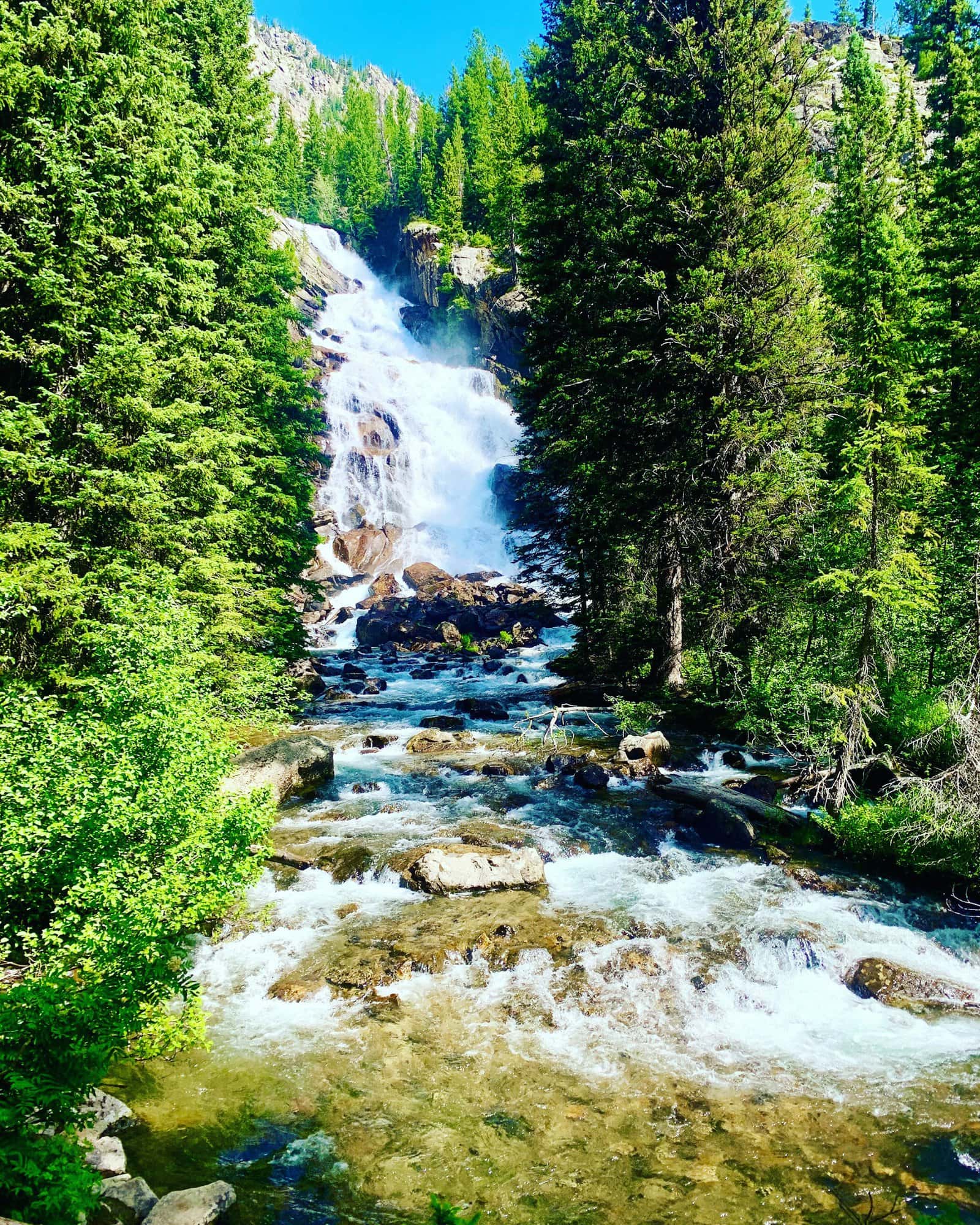
- Hidden Falls trail
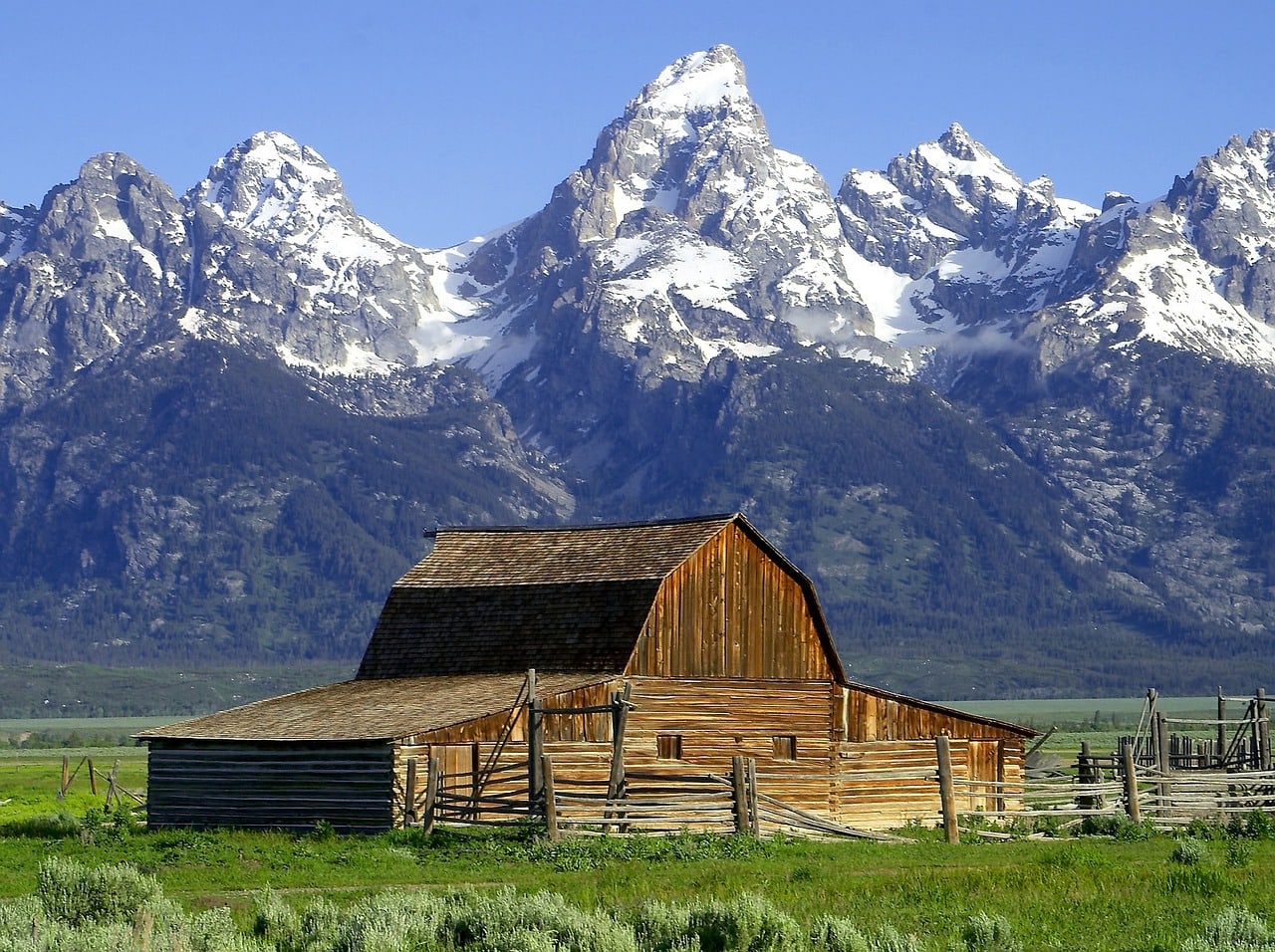
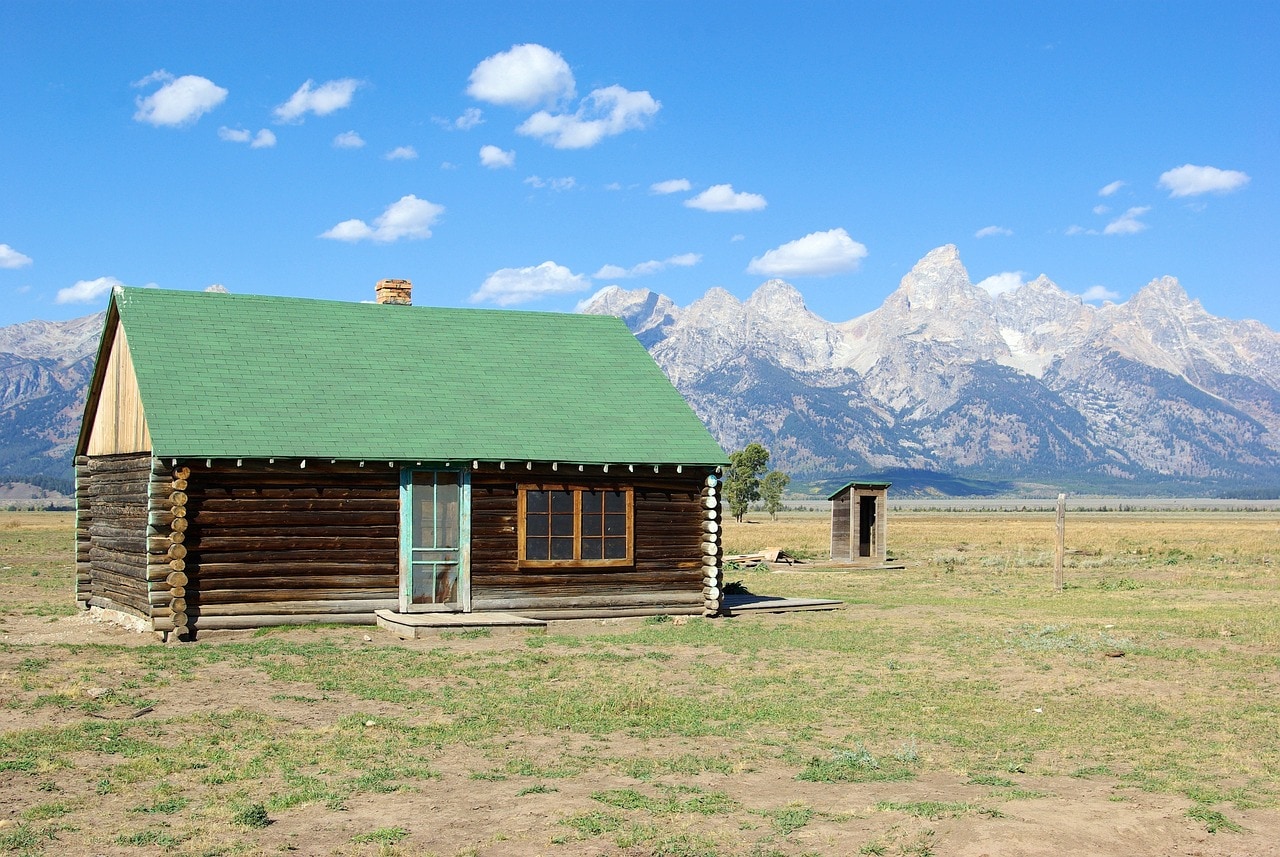
- The stunning log cabins of Mormon Row
- Nature activities at Jackson Lake
- Rafting on the Snake River
- Hiking trails at Taggart Lake and Bradley Lake
Click here to check availability and prices at Jackson hotels near Grand Teton Park…
Click here for a list of 10 lodge and motel accommodations near Yellowstone National Park…
What is Grand Teton National Park?
The Grand Teton National Park covers the northern part of Jackson Valley (Jackson's Hole), a stunning alpine valley with an average altitude of around 2000 to 2200 meters. The valley is nestled between the Gros Ventre Range to the east and the Teton Range to the west, in the western part of Wyoming.
- Flowing through the valley is the mountainous and tumultuous stretch of the Snake River.
- The main experience in the national park is the scenic views toward the Teton Range west of the river valley.
- The distinctive range was formed by intense folding in the rock formations of the Rocky Mountains.
- The range is up to only 15 kilometers wide and rises an average of nearly 2000 meters above the adjacent valley.
- The highlight of the national park is the Grand Teton, a beautifully breathtaking mountain standing 4200 meters above sea level. The mountain was named by French-speaking Canadian hunters whose shape reminded them of breasts, hence they called it les trois tétons, or the three breasts. Besides the big breast (the Grand Teton), the name refers to its two adjacent peaks, Mount Owen and the Middle Teton.
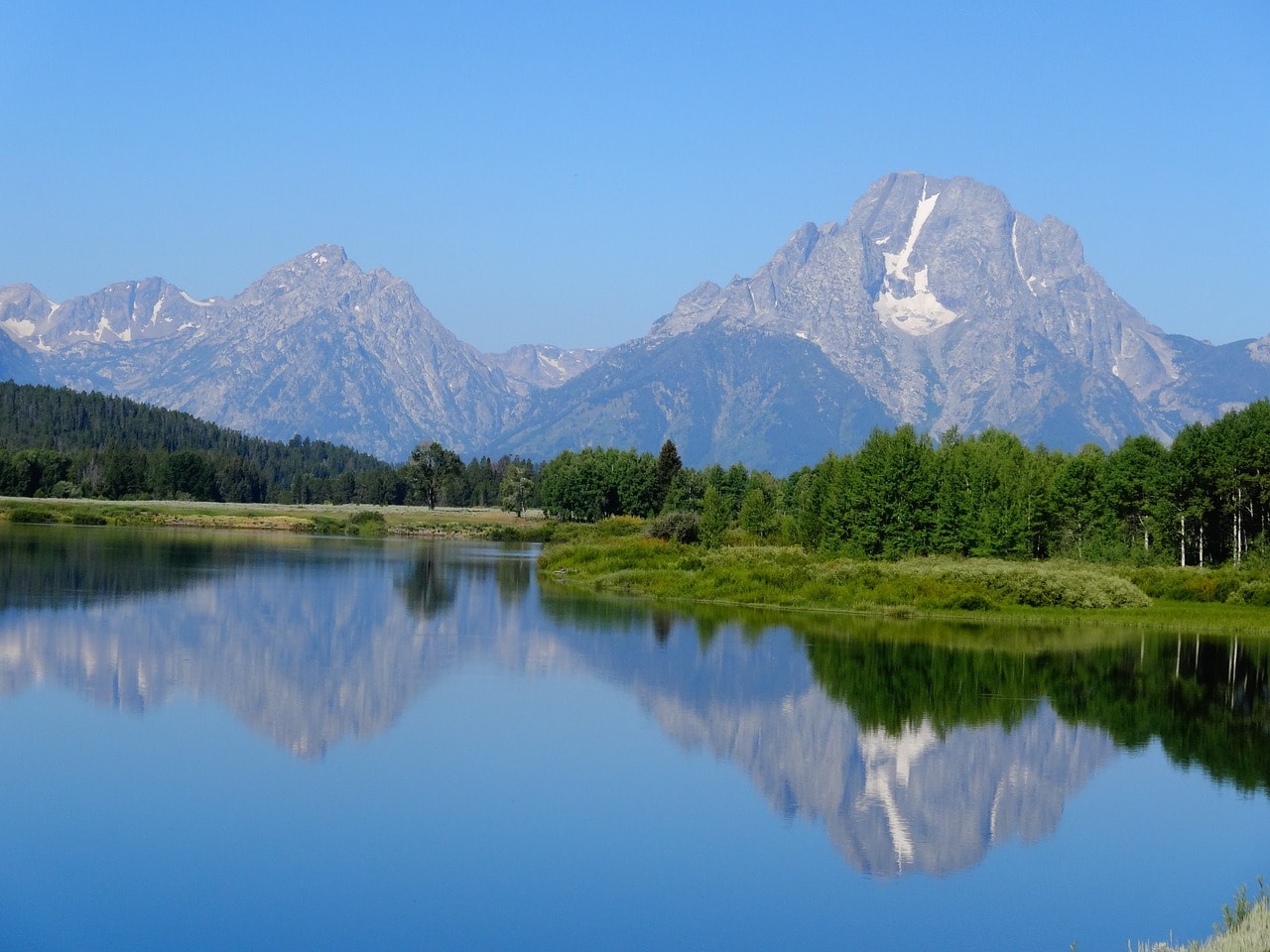
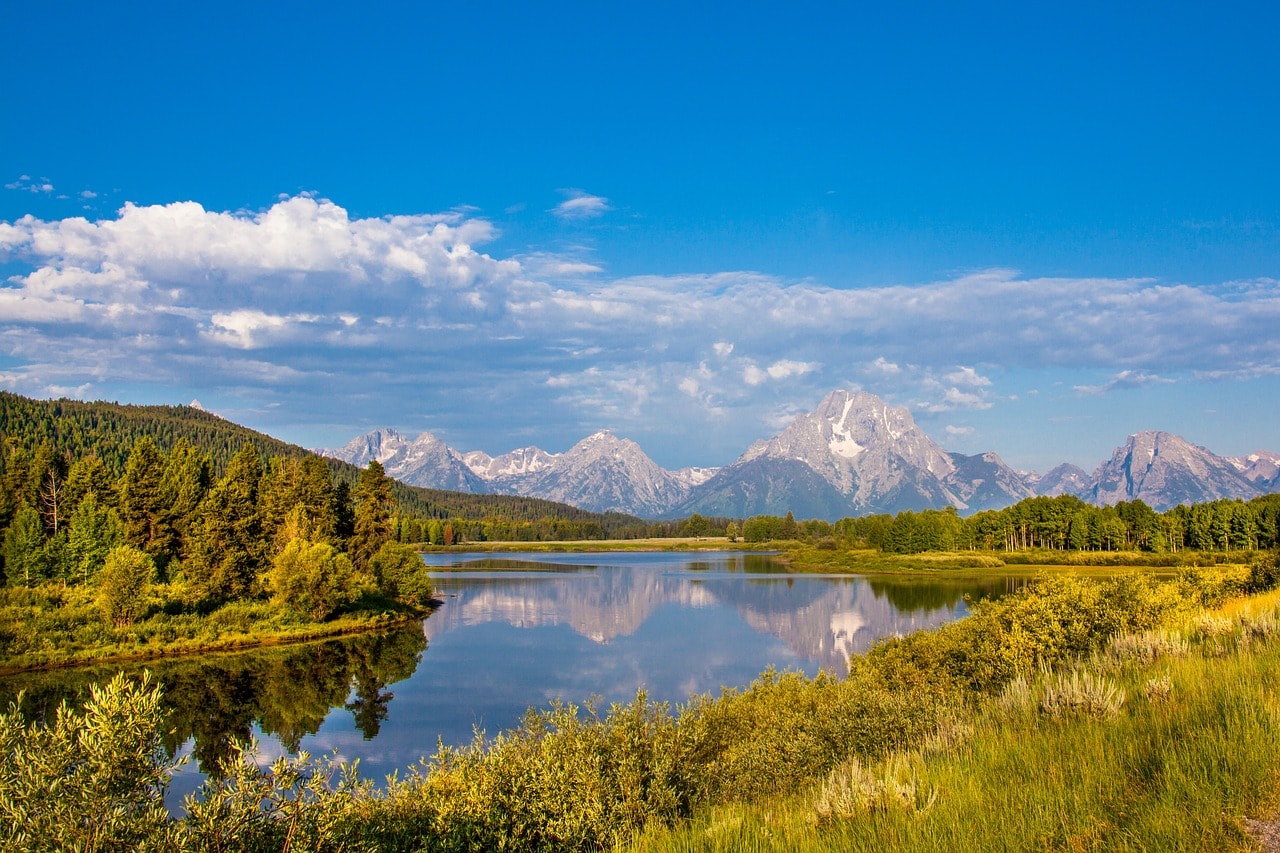
- Just north of the Grand Teton, right above the large Jackson Lake, is the stunning Mount Moran, which stands at 3850 meters.
Jackson Hole Valley and the Teton Range were declared a national park in 1929, almost 60 years after Yellowstone's designation as a national park. The valley was settled by the Shoshone tribe, and at the beginning of the 20th century, farmers started moving in from Jackson's direction. John D. Rockefeller Jr. was enlisted for the valley's preservation and purchased the lands to incorporate them into the national park.
Click here for a guided tour in Grand Teton to explore the park's wildlife…
Map of Grand Teton National Park
How to Get to Grand Teton National Park?
How to Fly to Yellowstone National Park?
Jackson Hole Airport (JAC) Jackson Hole Airport – Jackson Hole Airport is located near Highway 89, which connects the town of Jackson with Grand Teton National Park. Technically, the airport is within the national park area, making it the only commercial airport in the world located within a nature reserve.
The airport operates year-round. In winter, there are four active routes to Seattle, Denver, Salt Lake City, and Dallas-Fort Worth. In summer, the routes expand with additional flights to Atlanta, Los Angeles, San Francisco, and Minneapolis.
Click here to find cheap flight tickets to Jackson or Idaho Falls…
Idaho Falls Regional Airport (IDA) – Idaho Falls’ small airport offers a reasonable option for reaching Grand Teton. It’s located in the northern part of the quaint town and is accessible from several U.S. destinations. The airport operates in winter with regular routes from Seattle, Dallas-Fort Worth, Denver, and Salt Lake City. In summer, additional routes from Los Angeles and Phoenix open up as well. The travel time from Idaho Falls Airport to Grand Teton Park is between one and a half to two hours.
How do you get to Grand Teton National Park by car?
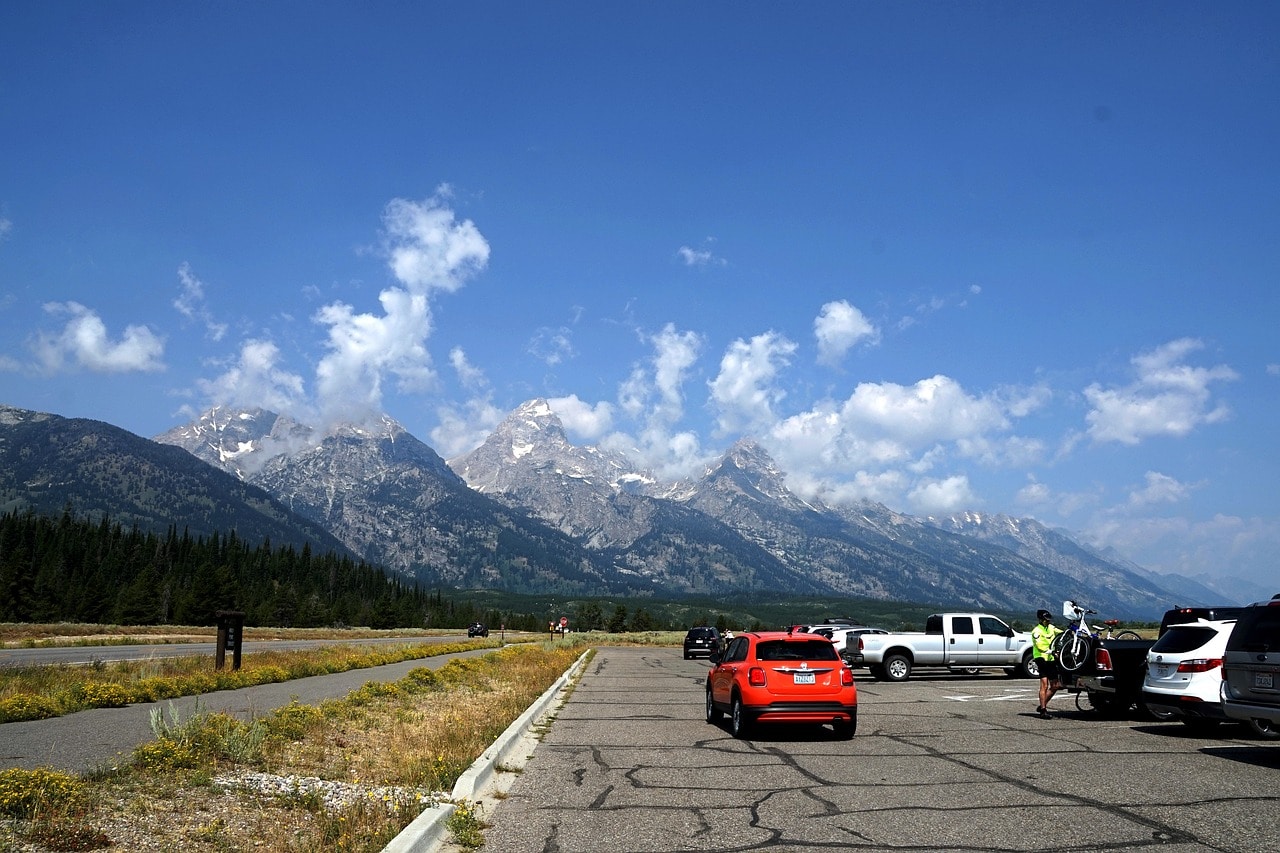
Most people arriving at Grand Teton come from the north, along Highway 191 coming from Yellowstone Park. This road is named after John D. Rockefeller, Jr., Memorial Parkway. The northern entrance to the park is adjacent to the southern entrance of Yellowstone, and many consider a visit to both parks as one combined trip. The distance between the two park entrances is about 15 kilometers (approximately 9 miles).
The major city close to the park is Jackson, located to its south, about a thirty-minute drive away. Jackson serves as the logistical base and main lodging spot for trips to the park. The driving time from Salt Lake City, Utah, to Jackson is approximately 4.5 hours on the I-15. The drive from Jackson to Idaho Falls takes about an hour and a half, where the highway is located.
Click here to find a place to stay in Jackson, near Grand Teton Park…
Click here for all the information on car rentals in the USA, helpful tips, and discounts…
When to visit Grand Teton National Park?
Grand Teton National Park is located in the northern part of the Rocky Mountains, at an impressive height of over 2,000 meters. Due to the elevation and snowfall, the park is completely inaccessible during the winter months.
Click here for a list of 10 lodge and motel accommodations near Yellowstone National Park…
- The best month to visit Grand Teton Park is June, which can be combined with a trip to Yellowstone Park. This month offers all the park's advantages, including reasonable weather (it can still be cold), late sunsets, spring blooms, massive flows in the rivers and streams, and it is just before the tourist flood of July and August. Early June can still be relatively rainy in the park, but as you get closer to the end of the month, the rain has less impact on the trip.
- The summer months in Grand Teton are perfect for weather but much busier with visitors. July and August are the peak tourist season in the pair of parks, and during these months it's best to rise early and arrive at the park early (even before the traffic jams). Generally, Grand Teton is much less crowded than Yellowstone Park during summer, but it too can be congested with traffic. These months see little rain, and the weather can also be hot
- From mid-September to mid-April, evening temperatures drop below freezing. The weather allows for park visits from April to October, though during the transition months it may be chilly but the park is empty
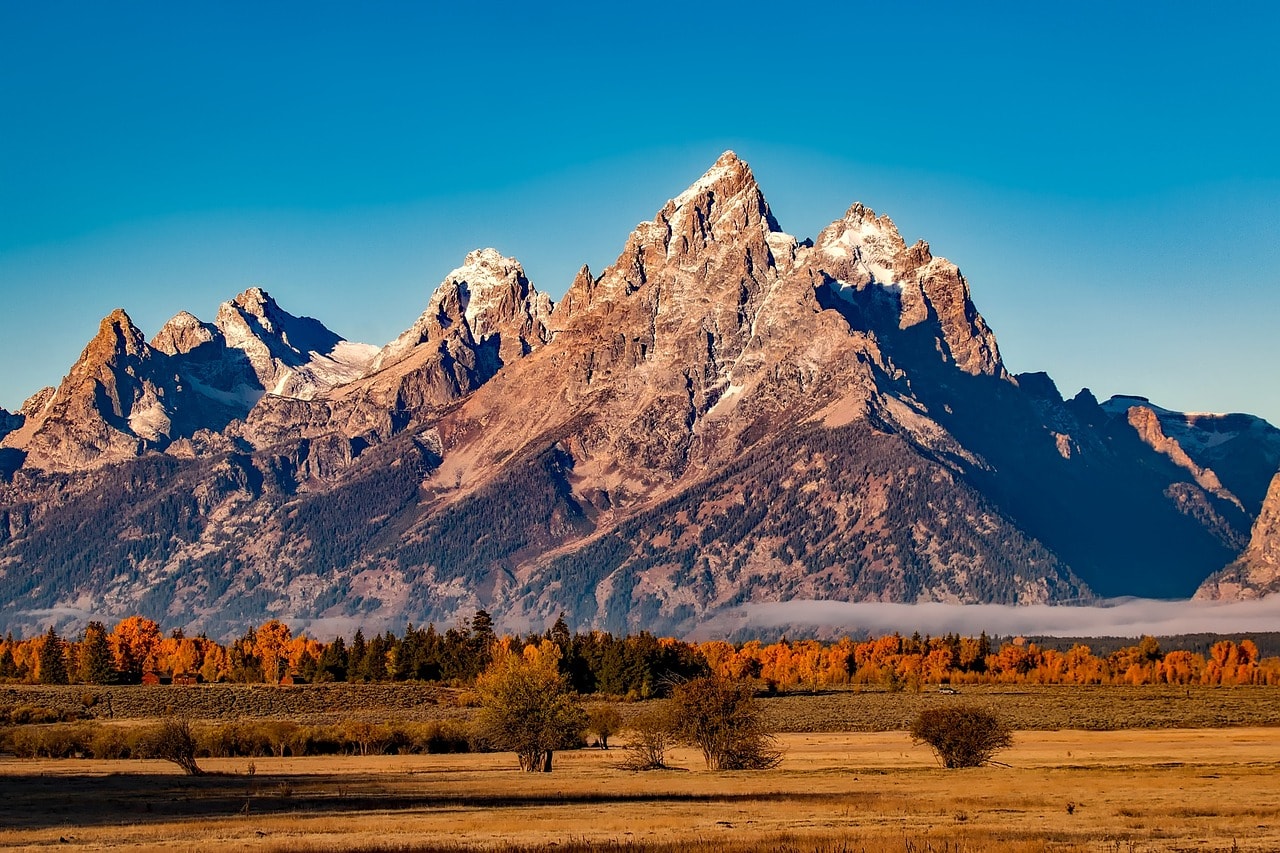
- In fall, the parks enjoy a spectacular foliage that also attracts a large number of visitors in mid-September
For a half-day guided tour from Jackson to the main attractions in Grand Teton, click here…
How to plan a travel route in Grand Teton National Park?
Grand Teton National Park is a travel destination situated just south of the larger Yellowstone Park, and together they provide a nearly exclusive adventure trip in the vast and sparsely populated region of western Wyoming. The travel itinerary in Grand Teton and Yellowstone Park requires early planning and includes accommodations along the way (unless arriving in Bozeman or Jackson by plane).
Click here for a four-day guided tour from Salt Lake City to Yellowstone and Grand Teton Park…
- You can plan a travel itinerary starting from Chicago heading towards Mount Rushmore, through the Black Hills and on to Yellowstone. You can return to Chicago on a southern route via Grand Teton, heading towards the city of Denver, Colorado, and visiting Rocky Mountain National Park in the mountains above Denver. From Colorado, head back to Chicago on the I-70 route through Kansas City and St. Louis.
- Another itinerary is from Los Angeles and Las Vegas through Salt Lake City and north to Grand Teton and Yellowstone. You can complete the route by driving from Yellowstone towards Seattle on the 90. This itinerary also includes the stunning parks of southern Utah, such as Zion National Park, Bryce Canyon, and more.
- The hiking trail in Grand Teton Park is mostly linear. Must-see sites include Jackson Lake, Jenny Lake, Taggart Lake, the Snake River, and of course, the abandoned Mormon Row cabins.
- For those who really want to experience the park's nature and go for a long hike, it's worth focusing on the trails near Jenny Lake, right at the foot of Grand Teton.
- If you want a rafting experience on the Snake River, perhaps the most popular activity in the park, it's advisable to plan the rafting route and its length in advance (rafting is guided and done in groups by an authorized operator).
Click here for trip planning in Grand Teton Park Wyoming and professional advice…
Click here to check availability and prices for hotels in Jackson, just south of the park…
Everything to See and Do in Grand Teton National Park
Jenny Lake
Jenny Lake is a high and picturesque lake considered the heart of the national park. It's the perfect spot for a scenic view of the Grand Teton, right at the foot of the mountain, just two kilometers away from the summit (which rises more than two kilometers above the lake). This classic alpine lake was formed by the retreat of a glacier. Its waters are ice-cold, clear, and calm, allowing breathtaking reflections of the three peaks on the lake's surface.
On the eastern side of the lake, there is a road that overlaps with the lake's hiking perimeter trail – the Jenny Lake Trail. The trailhead or Jenny Lake Trailhead is located at the southeastern corner of the small lake, where the Jenny Lake Visitor Center and a large parking lot are found. This is a very popular area for nature hikes, lake boating, kayaking, picnic spots, and more.
Hidden Falls and Inspiration Point
From the western bank of the lake, near the mountainous Cascade stream path, a series of hiking trails lead to three breathtaking areas of the park – the hidden falls, the inspiration point, and Cascade Canyon westward up the stream.
The Hidden Falls trail stretches nearly eight kilometers, leading through wooded ascents to a waterfall approximately thirty-five meters high. The waterfall is located at the lower part of Cascade Creek and is the most stunning point along the stream's channel. Another trail heads up to the cliffs where the Inspiration Point is, a popular lookout over the Jackson Hole Valley and Jenny Lake.
West of the Hidden Falls trail and the Inspiration Point trail begins the challenging Cascade Canyon Trail. This spectacular trail climbs along the rushing stream channel in the magnificent canyon located between Grand Teton to the south and Mount Moran to the north. The trail offers plenty of water, waterfalls, rapids, and all the fun of the American alpine scenery.
Jackson Lake
Jackson Lake is one of the most popular vacation and hiking destinations in Grand Teton National Park. It is the largest lake in Jackson Hole Valley and the Grand Teton National Park. The lake is over 2000 meters high, making it one of the highest large lakes in the USA. The lake stretches 24 kilometers from north to south and is up to 15 kilometers wide. It's quite deep, with parts reaching over one hundred and thirty meters.
The main recreation and accommodation area at the lake is Colter Bay Village, from where hiking trails extend along the eastern shore. The lake is formed by the accumulation of the Snake River's waters, which enters the lake at its narrow northern end and exits at the southeastern part, where Jackson Lake Dam now stands.
Snake River
The Snake River pathway in the heart of Jackson Hole Valley is one of the main attractions in Grand Teton Park, particularly for its rafting options. The Snake River runs lengthwise through the valley from north to south, including Jackson Lake and, to the south, a vast drainage area with numerous branches around the main river path. The rafting center of the valley is at Moose Village/Visitor Center, located in the southern part of the park.
Taggart Lake
This small lake in the southern part of the park offers one of the most popular hiking trails in Grand Teton National Park. The Taggart Lake Trail is a five-kilometer route that isn't too demanding and is partially suitable for families. The Taggart Lake Trailhead is located near Teton Park Road and runs west into the gentle part of the valley to the small, beautiful lake. For those seeking a longer hike (still topographically gentle), the trail connects with the Bradley Lake Trail, leading to nearby Bradley Lake to the north.
Mormon Row
What was once a rural settlement of Mormon believers is now a stunning ghost site in the southern part of Grand Teton Park. The straight, long road of Mormon Row is accessible east of Highway 191, close to the Blacktail Ponds Overlook turnoff. Along the way are several breathtaking wooden structures right in the heart of the valley under the shadow of the mountains. The most renowned among them is the T.A. Moulton Barn, one of the most photogenic and famous barns in the entire Rocky Mountains.
Yellowstone National Park
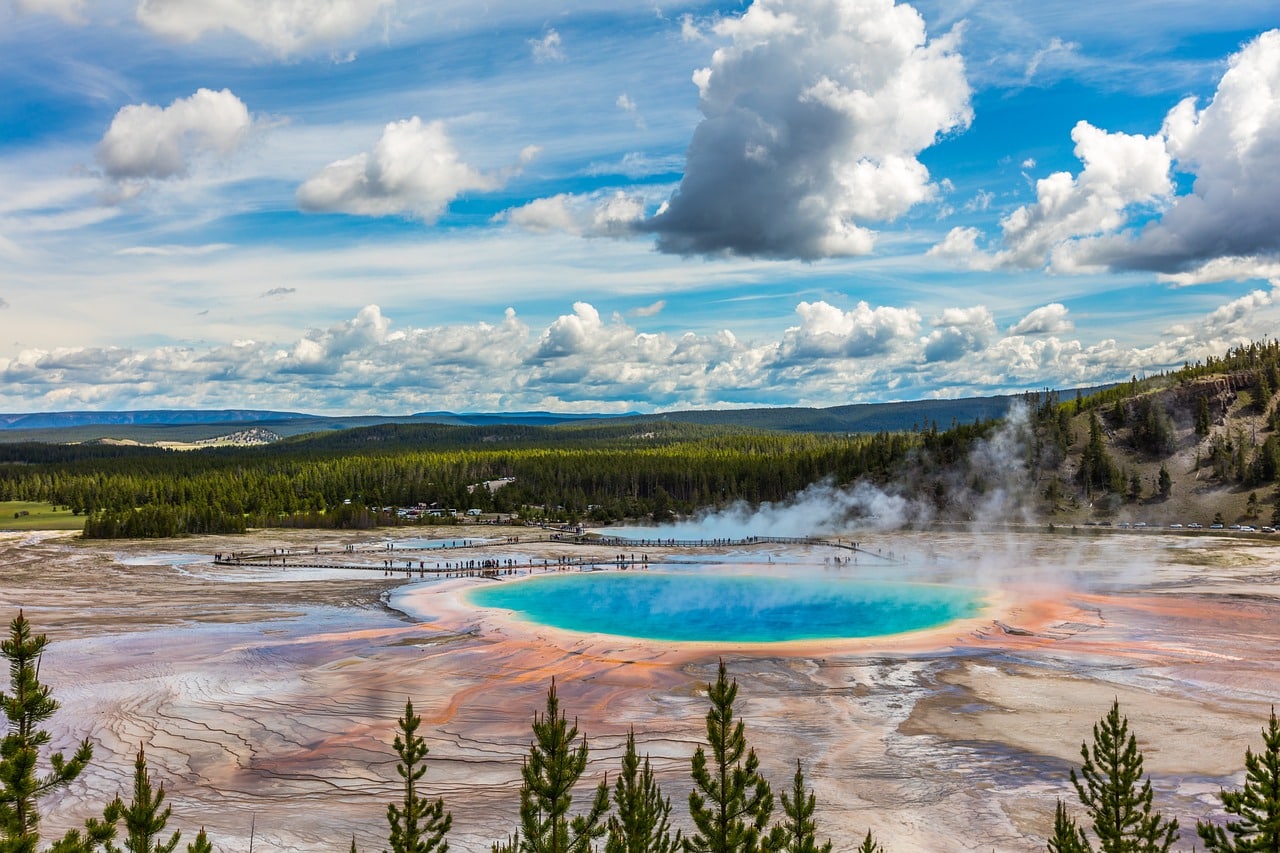
Yellowstone National Park is the cradle of the nature conservation movement. It is the first national park established in the world, aiming to preserve the unique nature of the Rocky Mountain range in northwestern Wyoming. The park is a geologically active area with geysers and magnificent geothermal springs.
Aside from the volcanic expanse, the park offers rugged, wild nature filled with bison, moose, elk, and occasionally grizzly bears. Throughout the park, you'll find hundreds of kilometers of hiking trails of varying difficulty, along mountainous stream channels, near lakes, on peaks, and at the edge of the stunning Grand Canyon of the Yellowstone.
Click here for all the information on visiting the amazing Yellowstone Park in the Rockies…
How to explore Yellowstone Park?
Touring Yellowstone Park is done by car, driving between different clusters of sites and attractions. It is a very organized park with vehicle access to almost all major attractions. Adjacent to the attractions, you'll find large parking areas where hiking trails begin. The park features dozens of marked trails with varying difficulty levels, so it’s a good idea to plan ahead which trails you want to take.