Joshua Tree National Park – The Californian Desert Landscapes
Joshua Tree National Park offers a breathtaking desert nature experience just a short drive from Los Angeles. It's one of the most popular national parks in the United States, mainly due to its proximity to the popular resort town of Palm Springs down the Coachella Valley.
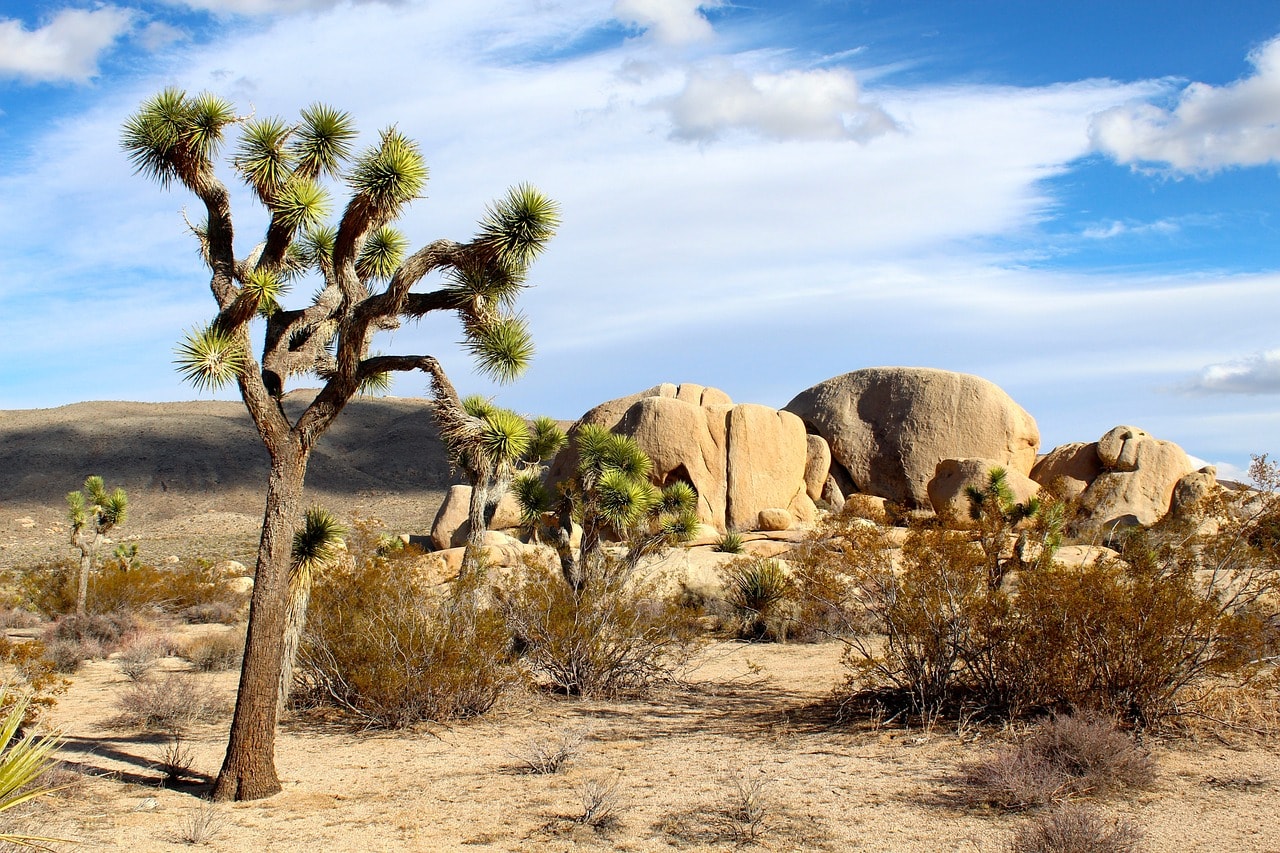
The park is situated on a high plateau averaging an elevation of a kilometer in a rain shadow desert. It is characterized by stunning geological formations filled with oddly shaped boulders and a remarkable desert flora, especially the unique Joshua trees and various cacti endemic to the area.
How many days do you need for a trip to Joshua Tree?
You should dedicate at least one full day for a trip to Joshua Tree (for two short trails + road trip). Those who truly want to immerse themselves in the experience should consider spending at least two days to explore all the park's main attractions.
It's highly recommended to stay near the park and explore it for a full day or two, including a trip to Palm Springs
Click here to check availability and prices for hotels near Joshua Tree Park and in Palm Springs…
8 Must-See and Do Activities in Joshua Tree National Park
- Go down the mines with the rangers on the Keys Ranch Tour
- The gold rush at Barker Dam
- The stunning rocks of the Hidden Valley Trail
- The Wild West at Cap Rock Trail
- The breathtaking view of Coachella Valley at Keys View
- Selfie with Skull Rock
- Cholla Cactus Garden
- The spectacular oasis of Cottonwood Spring
How to Explore Joshua Tree National Park?
Joshua Tree National Park is a vast expanse of highland wilderness, some of which is accessible by car and some via trails. Most visitors to the park drive along the Park Boulevard and Pinto Basin Road. These two roads cross the highland area and are near the main natural attractions of the park. There are other dead-end roads leading to the park's attractions, especially to the west on the edge of the mountain ridge.
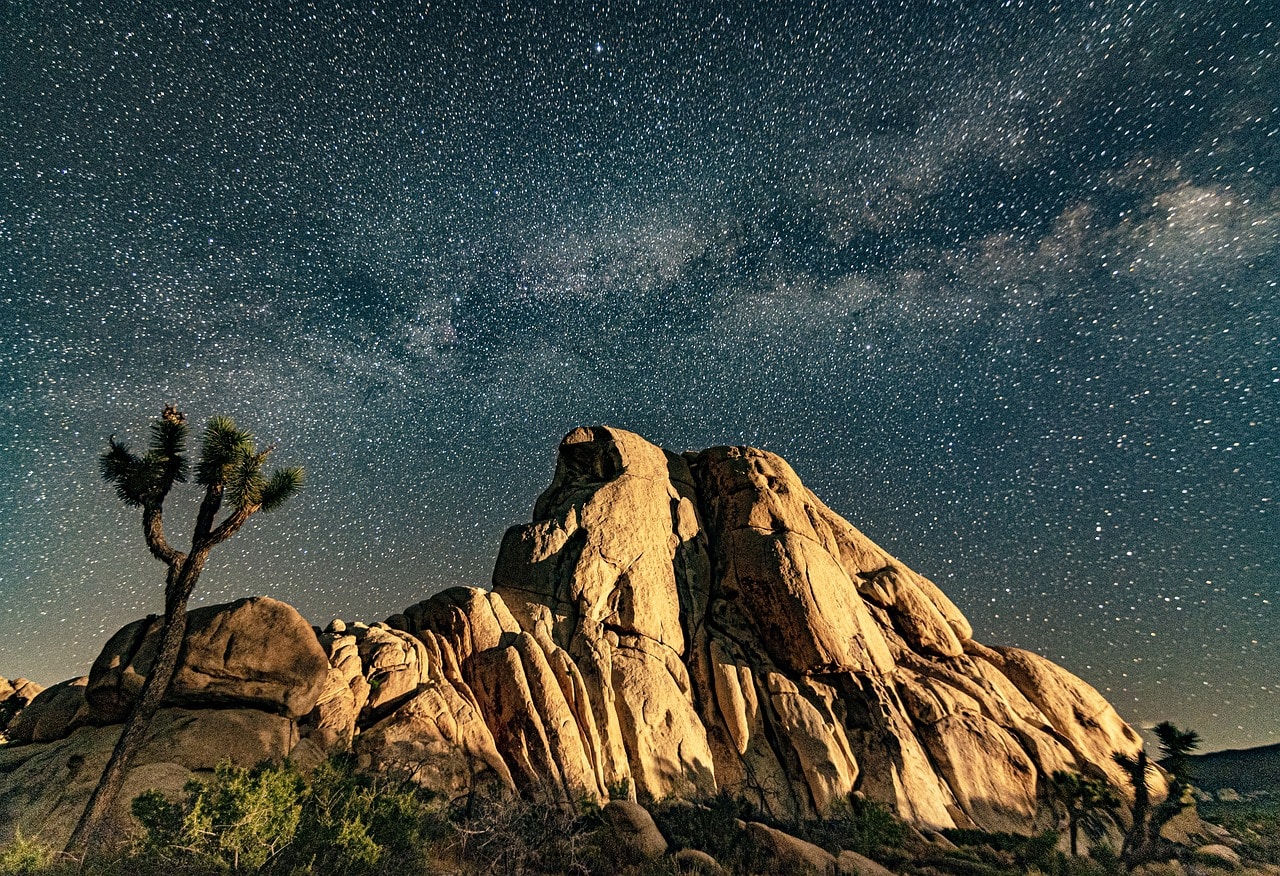
The park area is an open space where you can walk on a wide variety of unofficial trails. These trails are very popular with rock climbers and rappelling enthusiasts. The deserted area is also one of the most popular places in the western United States for star gazing at night. During meteor showers, the park is flooded with crowds coming for camping and stargazing. Due to its clean atmosphere, the view of the stars is simply breathtaking.
What is Joshua Tree National Park?
Joshua Tree National Park (not to be confused with the iconic U2 album) is essentially the national park of the Los Angeles metropolitan area. It's located on the outskirts of the metropolis to the east, at an elevation of 900 to 1200 meters on a plateau at the eastern end of the valley. The park is situated above the city of Palm Springs, a one hour and fifteen minute drive from San Bernardino and two and a half hours from downtown Los Angeles.
Click here for the Joshua Tree guided audio tour app…
- The park is a section of a rain shadow desert on the western slopes of the Little San Bernardino Mountains above Palm Springs. It marks the border of two deserts – the higher western plateau is part of the Mojave Desert, while the lower plateau to the east of the park, with an elevation of about 900 meters, is part of the Sonoran Desert.
- The area was declared a nature reserve in 1936 and was upgraded to national park status only in 1994.
- It's named for the large concentration of Joshua trees in its area, a yucca plant that resembles a tree. The Joshua tree is endemic to the Mojave Desert and is one of the most iconic symbols of the desert regions south of the Rockies. In the park area, you can see many Joshua trees in varying concentrations.
- The desert terrain is also characterized by significant geological erosion of the rocks, resulting in many large rock formations and boulders. These dispersed boulders have become one of the world's most popular destinations for rock climbing and bouldering.
Click here for climbing the boulders of Joshua Tree (beginner level with a personal guide)…
Map of Joshua Tree National Park in California
How to get to Joshua Tree National Park?
How to fly to Joshua Tree National Park in California?
Palm Springs International Airport (PSP) – Serving as the gateway for the desert resort city's tourism and commuting near Los Angeles metropolitan area, Palm Springs Airport is vibrant year-round, especially in the spring season.
The airport is conveniently located just west of the city, not far from I-10, about a ten-minute drive from the leisure and hotel district of downtown Palm Springs. The drive from the airport to Joshua Tree Park takes around forty minutes, ascending the ridge. Palm Springs is well-connected to the major airports of the US and Canada, making it straightforward to reach via transfers from anywhere in the United States.
Click here to find attractively priced flights to Palm Springs or Los Angeles…
Los Angeles International Airport (LAX) – The largest airport in Los Angeles is one of the most important and central airports in all of North America. It is considered the second busiest airport in the USA (after Atlanta's airport) and the third busiest in the whole world. Fondly known as LAX in popular culture, it's located near downtown Los Angeles, between Inglewood and Playa Del Rey Beach, right next to Highway 405. The drive from LAX to Palm Springs takes a little over an hour and a half, and to the town of Joshua Tree at the park entrance, about two and a quarter hours.
How to drive to Joshua Tree Park?
The main axis of Palm Springs and the Coachella Valley is the I-10 freeway that runs at the foot of the ridge in the western part of the narrow valley. The highway conveniently connects Palm Springs and Joshua Tree Park with the Los Angeles metropolitan area via San Bernardino. Interstate 62 connects Palm Springs and the freeway with the town of Joshua Tree at the park entrance.
Click here for a guided horseback riding tour throughout Joshua Tree Park…
When to visit Joshua Tree National Park?
The park area is desert-like with all that entails, featuring all the benefits and mainly the drawbacks of this climatic trait. Temperatures in the park can soar to over forty degrees Celsius in peak summer, while winters can be freezing and snowy.
- The best season to visit Joshua Tree Park is early spring, when the temperatures are relatively mild, the sun isn't too harsh, and it's really pleasant to explore the park
- Autumn is also a great season for a park trip, with moderate and pleasant weather
- Summer in the park is quite harsh, with high temperatures both day and night. The desert space is very dry, but in summer it gets a bit rainy due to moisture intrusion from the west in what is jokingly called the North American monsoon (just a bit of rain)
- Winter is characterized by freezing nights and pleasant sunny days. Winter is also a good time to visit the park grounds
Everything You Need to Know About Lodging Near Joshua Tree Park
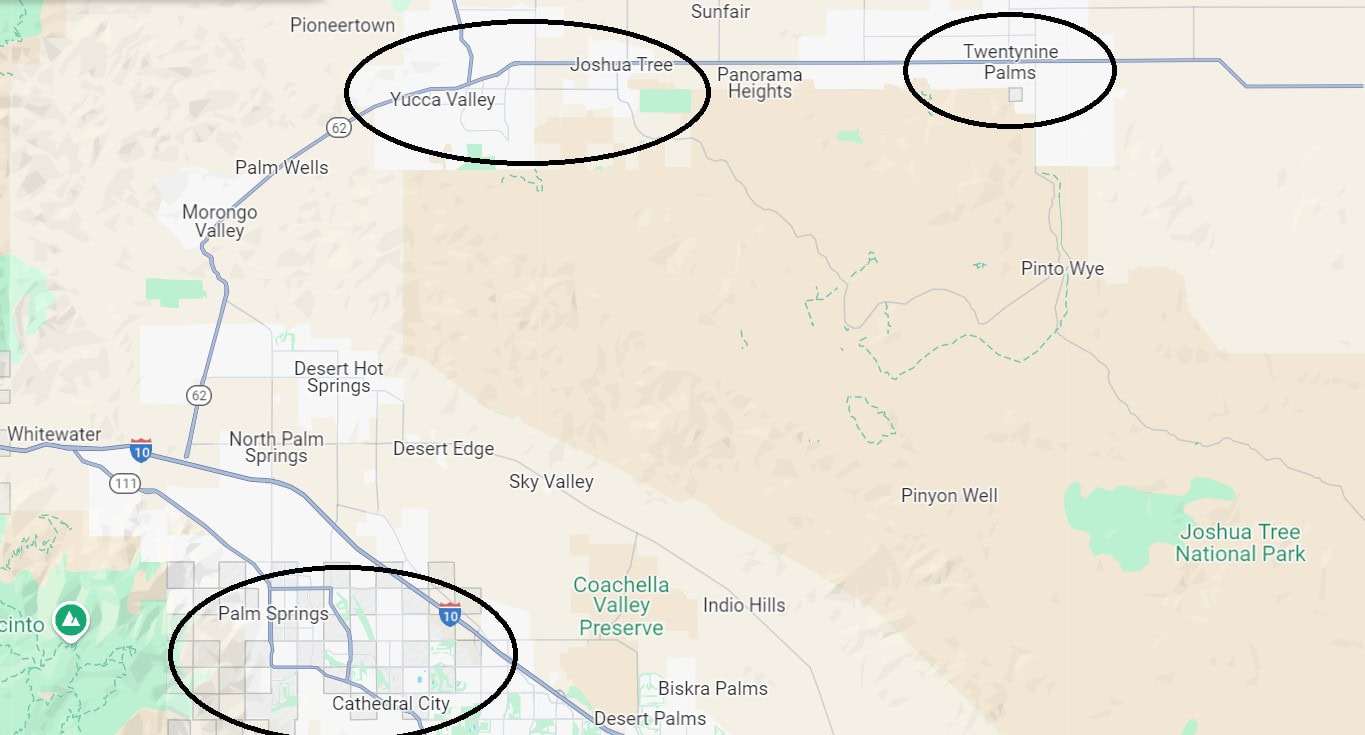
A significant number of visitors to Joshua Tree National Park come for a day trip from Greater Los Angeles. If you're planning a trip of two or more days, there are plenty of accommodation options near the park. Lodging near Joshua Tree Park is divided into two categories:
- Stay in towns along Highway 62 north of the park
- Stay in the popular desert resort town of Palm Springs
Click here to find accommodation in hotels near Joshua Tree Park and in Palm Springs…
Along Highway 62, which climbs the ridge from Palm Springs and the Los Angeles metropolitan area, are several sleepy desert towns with charming lodges within driving distance of the park.
- Most accommodations in the towns of Yucca Valley, Joshua Tree, and Twentynine Palms are good motels from major chains like Super 8, Motel 6, and more, as well as two-star brands and motels from major chains like Marriott and Holiday Inn of IHG.
- The towns offer a large selection of accommodations in a very convenient location for visiting the park. These places are especially suited for those who want to explore the park over several days.
The city of Palm Springs is one of the favorite vacation spots for Los Angeles residents, with a huge number of accommodations. It's a vacation city with hotels and resorts, all just a 40-minute drive from the park's entrance.
Map of where to stay near Joshua Tree National Park
How to plan an itinerary for Joshua Tree National Park?
The Palm Springs tour route, Coachella Valley, and the ridges above the valley, is part of the Los Angeles metropolitan tour route. Most visitors to the area come for a day or two's trip from Los Angeles. Many who come to the area are vacationing in Palm Springs and also taking a day trip to Joshua Tree Park.
Click here to plan your itinerary in Joshua Tree National Park…
The entry point for a trip in Joshua Tree Park is the town of Joshua Tree, where you'll find the park's visitor center. It's highly recommended to stop at the visitor center, both to learn about the park's attractions and to enjoy the amazing memorabilia of the national parks.
There are two main hiking trails in Joshua Tree Park:
- The short trail – along Park Boulevard from the town of Joshua Tree, ending at Twentynine Palms
- The long route – along Park Boulevard and heading south with Pinto Basin Road
The short route covers many of the main attractions in the park. It's recommended to begin with a guided tour at Keys Ranch, then take the Barker Dam Trail. Nearby is the Hidden Valley, and further along is the Keys View. On the way to Keys View, you'll also find Ryan Ranch. Continuing on Park Boulevard, make sure to stop at Skull Rock, not far from the junction with Pinto Basin Road.
Along Pinto Basin Road are several important attractions such as Cholla Cactus Garden and Cottonwood Spring. You can finish the trip heading south from the spring and return towards Palm Springs on Highway 10 or head north on Park Boulevard towards the town of Joshua Tree.
For a guided Hummer tour (departing from Palm Springs) through the park, click here…
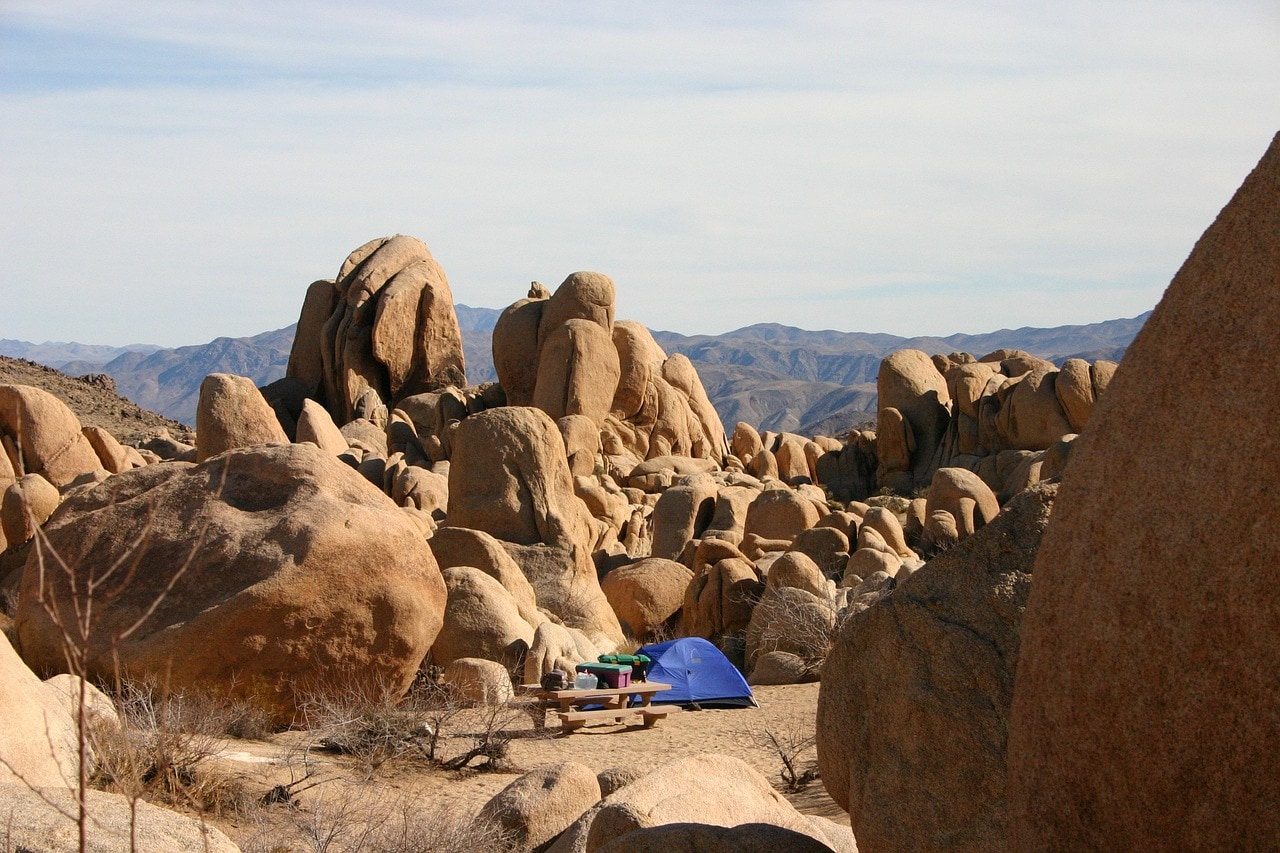
Everything to See and Do in Joshua Tree National Park
Joshua Tree Visitor Center
The sleepy desert town of Joshua Tree is located north of the plateau where the park is situated, on Highway 62. The town is the gateway to the park lying south of it. Access to the park is via Park Boulevard, the avenue that continues to be the main route of its northern part. The boulevard penetrates the park and returns northward until it ends in the town of Twentynine Palms.
Park Boulevard intersects in the heart of the park with Pinto Basin Road, the route crossing the park southward and ending at the remote village of Chiriaco Summit on Highway 10. Across the park, there are other roads such as Keys View Road.
The Joshua Tree National Park Visitor Center is located near the park's entrance on Boulevard off Highway 62, heading south into the park. This is the official gateway to the deserted administrative area for administration matters, supplies, permits, an official souvenir shop, and a place to eat or visit the restrooms.
For family rock climbing with rappelling gear (suitable for kids), click here…
Keys Ranch Tour
Keys Ranch is a historic site not far from Barker Dam, tucked away in a remote canyon. It’s the place where, starting from the late 19th century, William and Francis Keys lived, who operated the nearby Desert Queen Mine. Even after the mine closed in 1917, the couple remained on the ranch with their five children. Visits to the ranch are only possible through a guided tour led by park rangers, limited to 25 people, and you must register for it online on the park's website. The tour lasts about an hour and a half and includes the ranch houses and a visit to the mines.
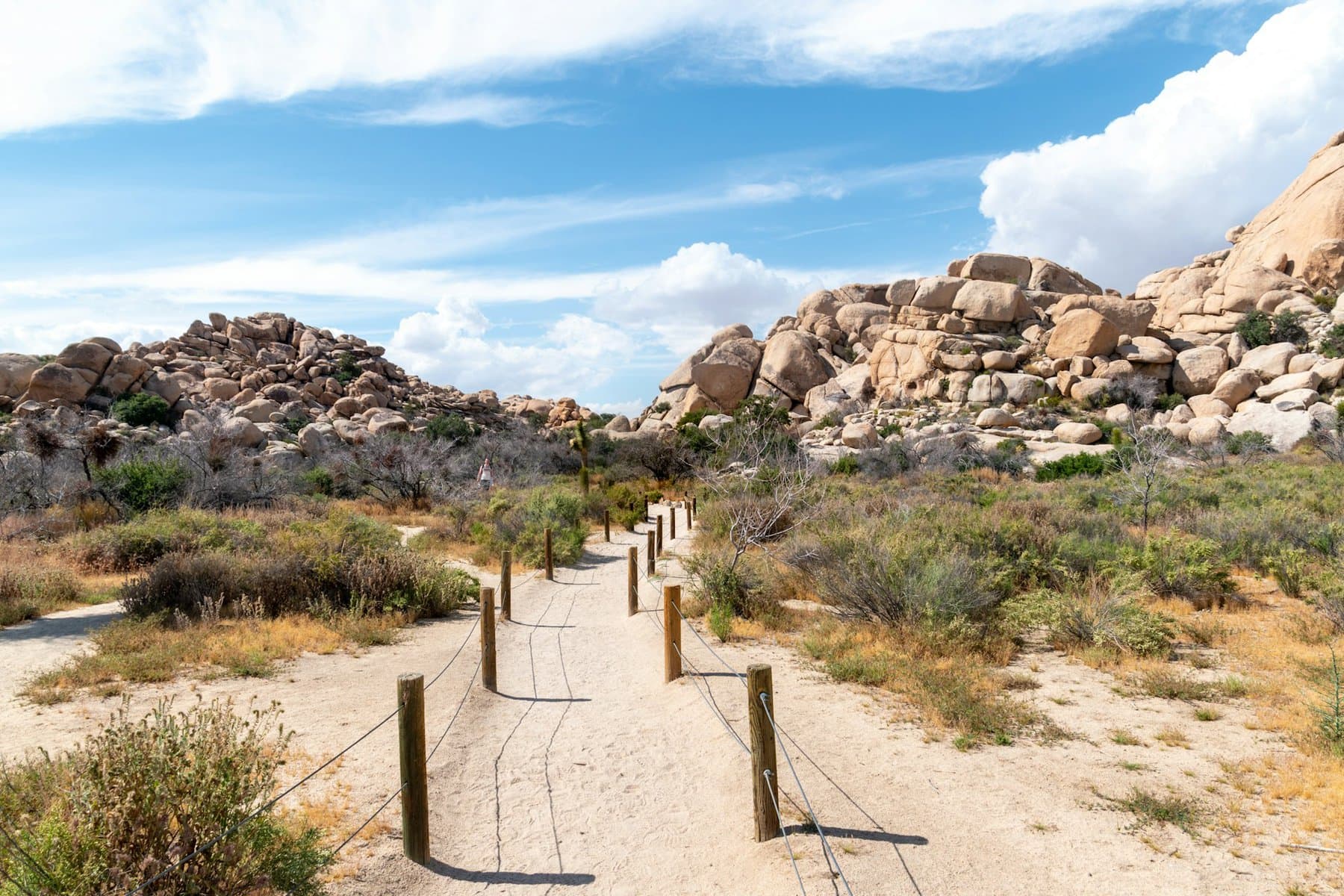
Barker Dam
Barker Dam is accessible via Queen Valley Road, which connects to the park boulevard near the Hidden Valley parking lot, just a twenty-minute drive south from the Joshua Tree Visitor Center. From the parking area on the road, the Barker Dam Nature Trail branches off, and it's a round trip of about two kilometers.
The trail climbs through boulders to the dam at the upper end of the canyon. The dam was built by miners who worked in the area to harness rainwater, creating a water source. Water is only present in the dam during the summer after rainfall, but the trail itself is charming and relatively easy.
Hidden Valley Trail
The Hidden Valley Trail is one of the most popular hiking routes in Joshua Tree National Park. The trail starts from the parking lot near Park Boulevard, across from the turnoff to Barker Dam Road. The Hidden Valley Trail stretches along dry channels amidst breathtaking desert cliffs. It's about a mile and a half in a circular path. This trail is one of the park's most popular and is suitable for families with children. It provides an opportunity to get up close and personal with the park's nature and landscapes.
Click here for a guided hike on selected trails in Joshua Tree National Park…
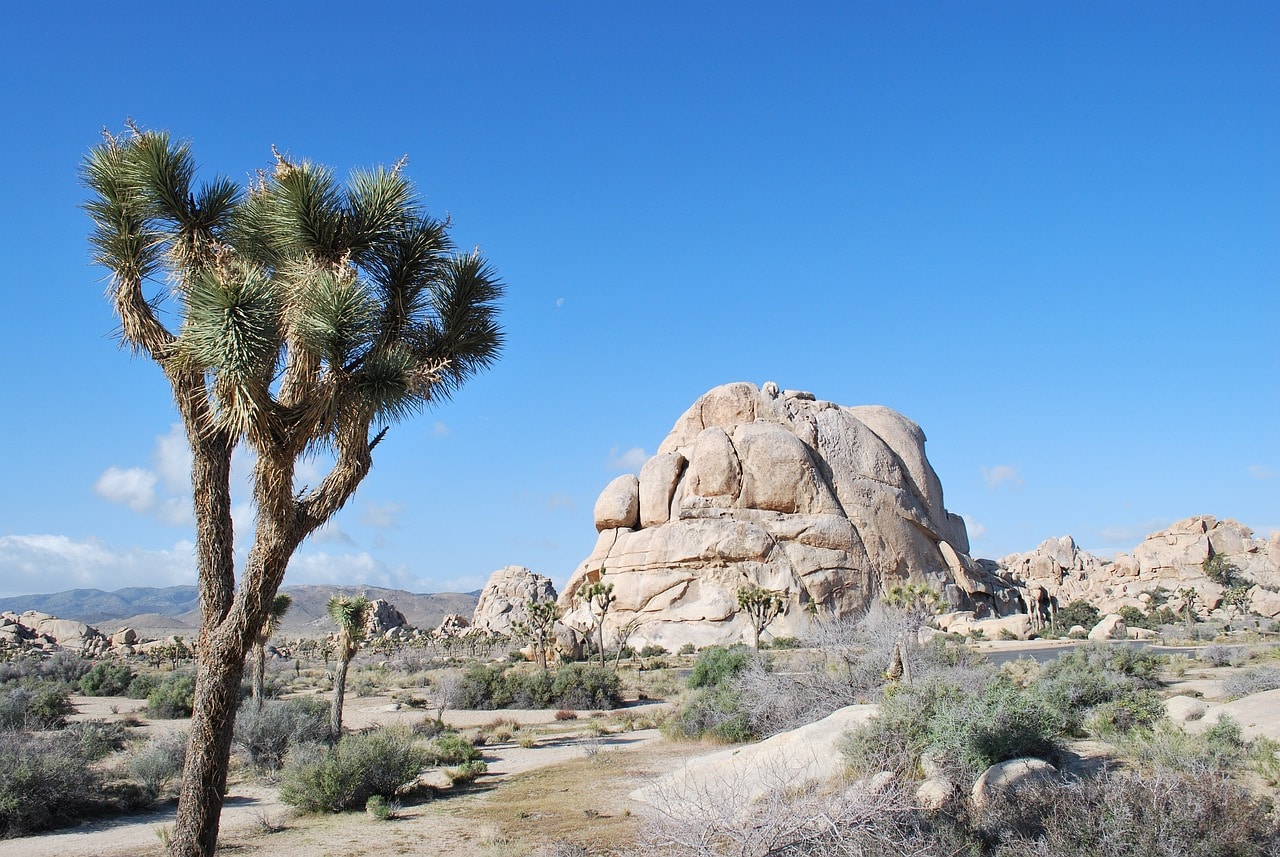
Cap Rock Trail
The Cap Rock Trail branches off from the intersection of Park Boulevard with Keys View Road, just a 25-minute drive south from the visitor center in the town of Joshua Tree. This easy 800-meter trail meanders through an avenue of Joshua trees surrounding a massive pile of rocks and boulders. The Cap Rock Trail is one of the park's quintessential paths and among the most popular.
Ryan Ranch Trail
Right after turning onto Keys View Road from Park Boulevard, you'll find the charming Ryan Ranch Trail. You can drive to the Ryan Campground site from where the trail leads to the historic Ryan Ranch. This ranch was established in the early 19th century by a miner named J.D. Ryan, who operated a mine near the ranch. The trail and ranch sit in the heart of the desert expanse, surrounded by massive rocks and boulders.
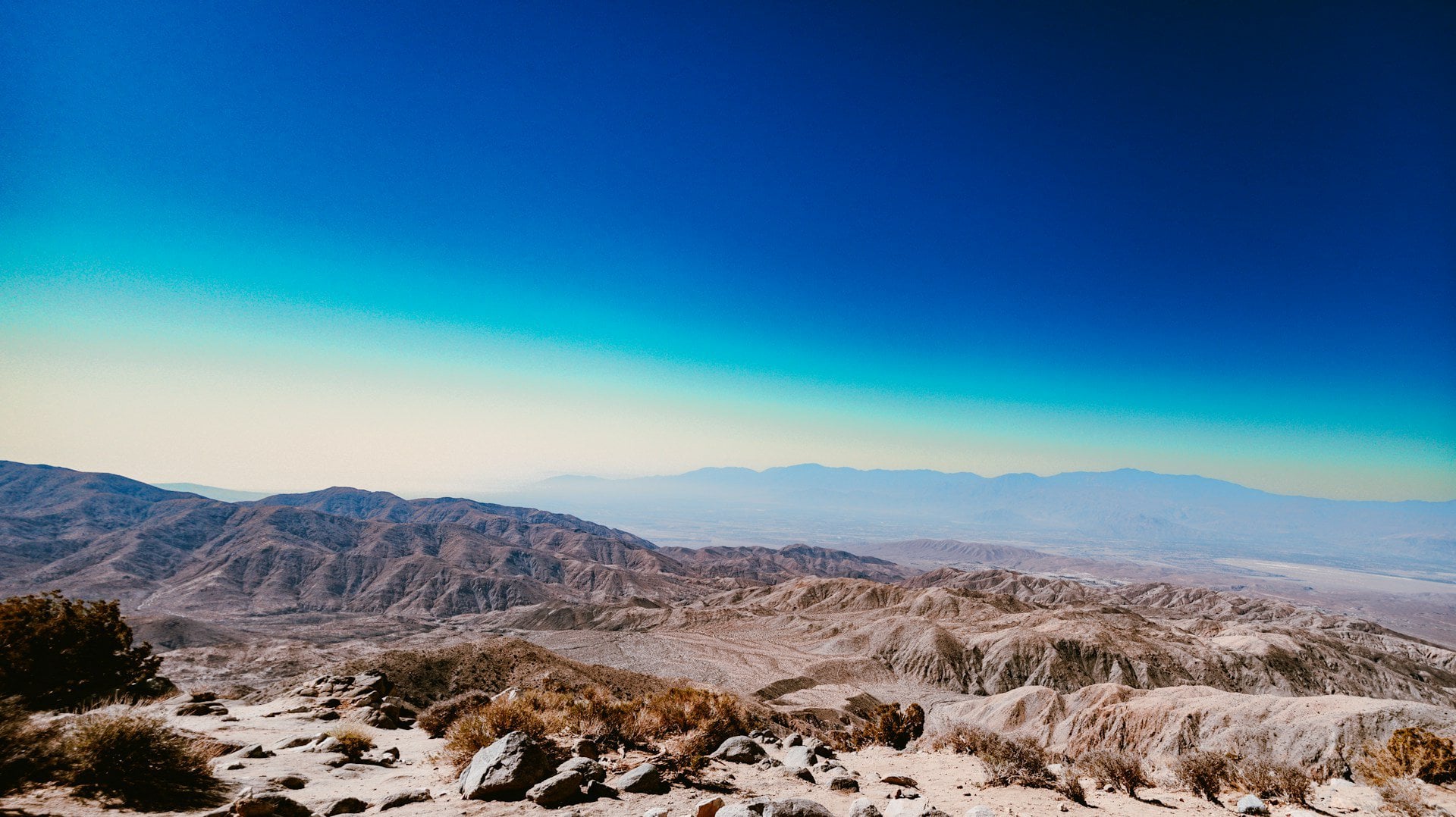
Keys View
The stunning Key's View lookout is situated at the end of Key's View Road, a 40-minute drive from the visitor center into the park. From the viewpoint, there's a breathtaking view of the Coachella Valley from a height of nearly 1600 meters. The viewpoint has a large, convenient parking area with restrooms, and from there, a half-kilometer circular trail leads above the edge of the cliff.
Skull Rock
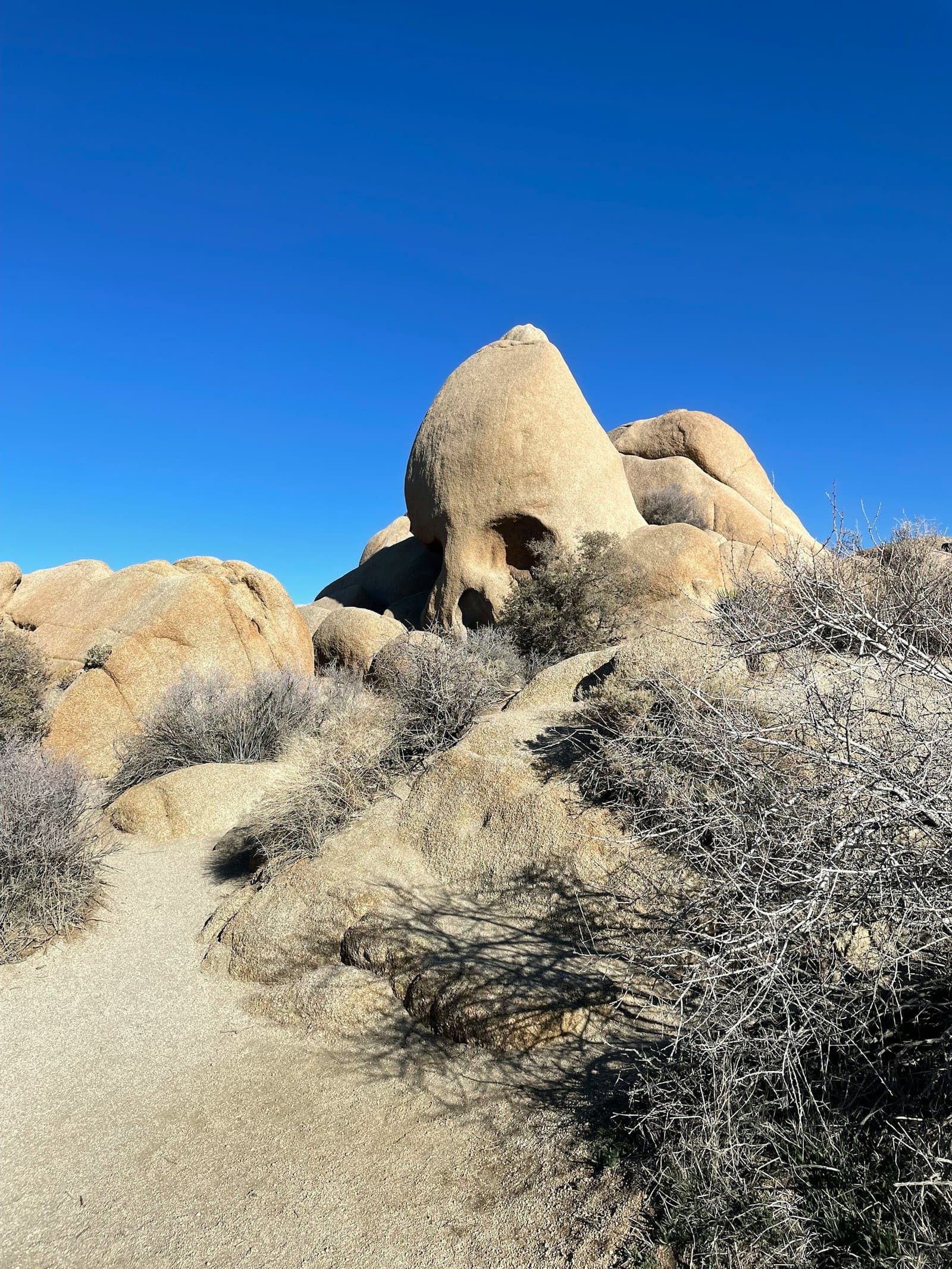
Skull Rock is a hallmark of Joshua Tree National Park and the most popular stop when driving through the park. The rock is located not far from the intersection of Park Boulevard with Pinto Basin Road, the road leading to the southern part of the park. The rock is right by the road and requires a light climb on nearby boulders to get closer. It is, of course, named after its skull-like shape, formed by the erosion of granite rock by rainwater and wind blasts.
Cholla Cactus Garden
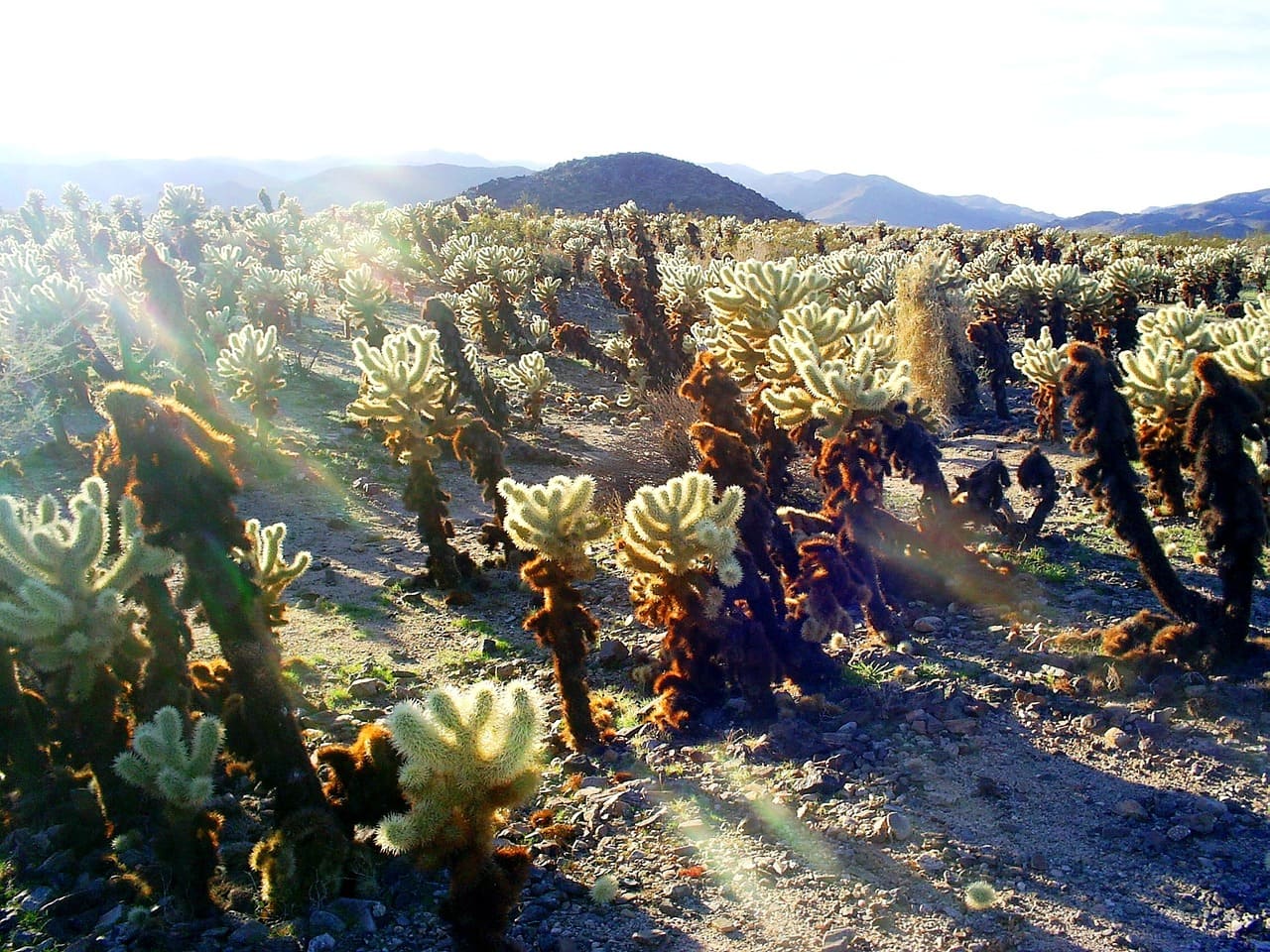
The Cholla Cactus Garden is probably the hallmark of Joshua Tree National Park. Throughout the park, there's a wide variety of desert vegetation, including Joshua trees and various species of cacti. This is a stunning cactus garden right on the Pinto Basin Road. From the parking lot, the Cholla Cactus Garden Trail leads through the cactus forest. The most interesting cactus in the garden is the Teddy Bear Cholla, an endemic cactus with particularly pesky yellow spines (so don't touch). This cactus species has a puffy and soft appearance reminiscent of a teddy bear, hence its nickname.
Cottonwood Spring
Cottonwood Spring is a stunning oasis in the southern part of the park. The spring can be accessed from Pinto Basin Road, a route that starts at the Cottonwood Spring Visitor Center. From the visitor center, there's also a northern route on the Pinkham Canyon dirt road, an off-the-beaten-path track for 4×4 vehicles that reaches the edge of the abyss. This charming spring once served the local Indian tribes and gold miners in the area. Today, it’s a shaded and enchanting hiking spot featuring a trail right on the edge of the spring and paths leading to nearby mines.
You can climb on the ridge trail to the east towards the Mastodon Mine located at the foot of Mastodon Peak. This is a five-kilometer round-trip trail offering breathtaking views of the plateau. From the spring, you can also venture on the Lost Palms Oasis Trail, which is about 12 kilometers long. This trail is tougher, and it's forbidden to hike it during the peak summer season.
Palm Springs
Palm Springs is a beloved tourist destination for a getaway near the Los Angeles metropolis. The city is located in the northern part of the Coachella Valley between the towering San Jacinto Mountains to the west and the Little San Bernardino Mountains to the east. To the east, you'll find the Joshua Tree National Park.
The city is a desert vacation spot with a wide range of resort hotels. It's a favorite escape, especially for Southern California residents, boasting charming boulevards for strolls, nearby nature sites, and a stunning cable car that ascends the western slopes to a height of 2,600 meters.
Click here for all the information on traveling to Palm Springs…