Seven Day Tour Routes in all New York City's Must-See Spots
Where will we explore? In the world's number 1 city – New York City
What are the tour routes? Day routes that cover all the must-see spots in Manhattan and offer suggestions for day trips in the nearby boroughs.
When is the best time to travel? New York is a city that never sleeps, so the routes can be done all year round (preferably when it's not rainy or snowy).
Who is the trip suitable for? Everyone!!! – Couples, families (slow down the pace and adjust the routes, especially if the kids are small), seniors, and more.
What modes of transportation will we use? Get your leg muscles ready (or grab a Metro card).
What is the level of intensity? Daily tours that can be a bit long, you can skip less important sites or stretch the itinerary over a few more days.
Information about the tour itinerary
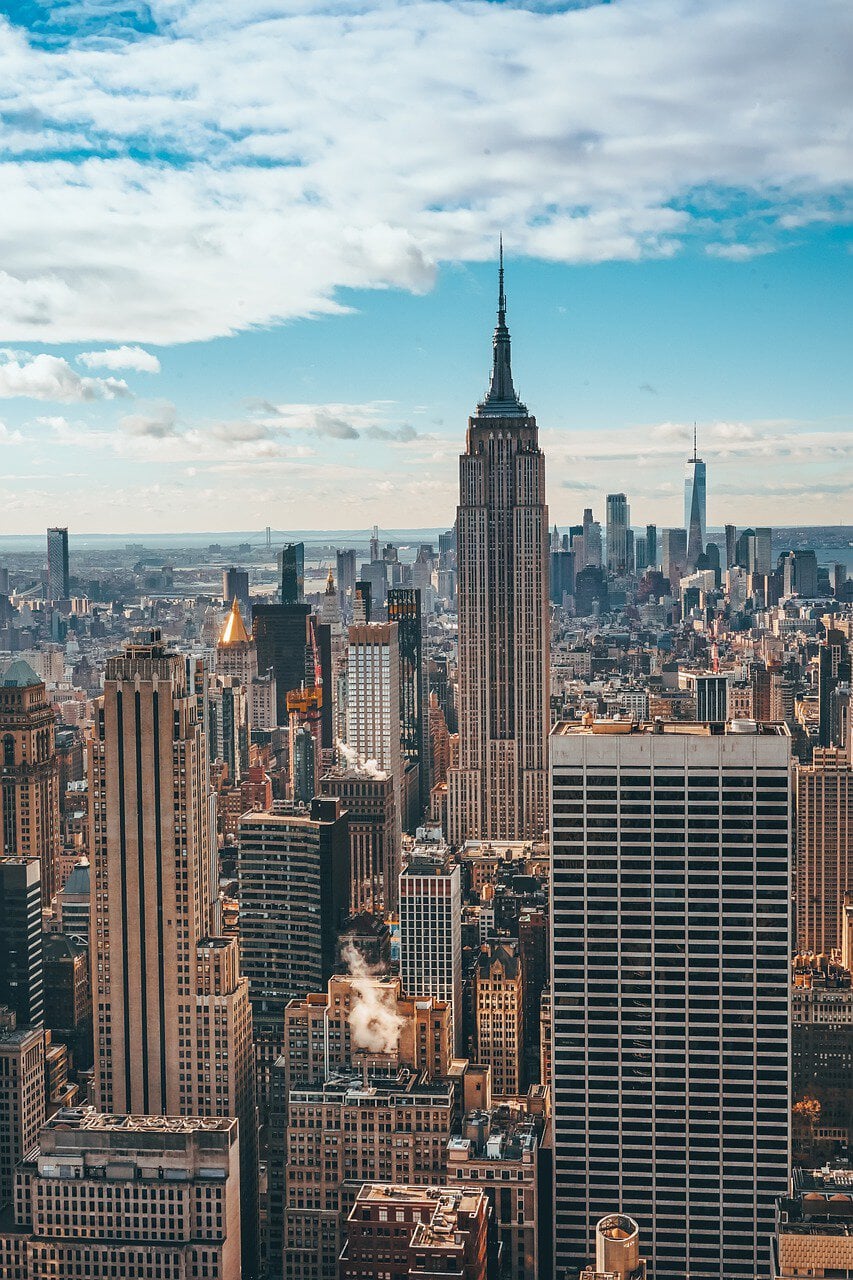
When you think of New York City, you're mainly thinking of Manhattan. This central island of the massive city is one of the world's most attractive and bustling tourist destinations, with an unbelievable number of attractions, entertainment spots, elite (and popular) restaurants, world-class museums, and iconic sites upon sites. The magnificent island is bursting with skyscrapers, whether they're short (50 floors) or those towering high above the skyline like the Empire State Building, the tallest among the Big Apple's iconic symbols.
The itineraries will focus on must-visit sites in Manhattan (and there's an immense number of sites and attractions, certainly compared to any other major city). The itinerary will be organized by neighborhoods and sub-districts within Manhattan, including a day trip to the other boroughs of the city. The itineraries are based on dividing into sub-districts and neighborhoods within Manhattan that are accessible by the city's subway.
Click here for all the information on public transportation in New York City…
Where to Stay?
It's highly recommended to find accommodation right in Manhattan. The island has many places to stay, and none of them are cheap. You can also stay in Brooklyn or Queens near a subway station.
Click here for everything you need to know about finding a place to stay in New York hotels…
Click here for a list of 12 excellent hotels in Manhattan…
Expert Tips for Travelers in New York
- Most of your trip to New York will obviously take place in Manhattan. The borough isn't large geographically (only 4 kilometers wide) but it's incredibly bustling.
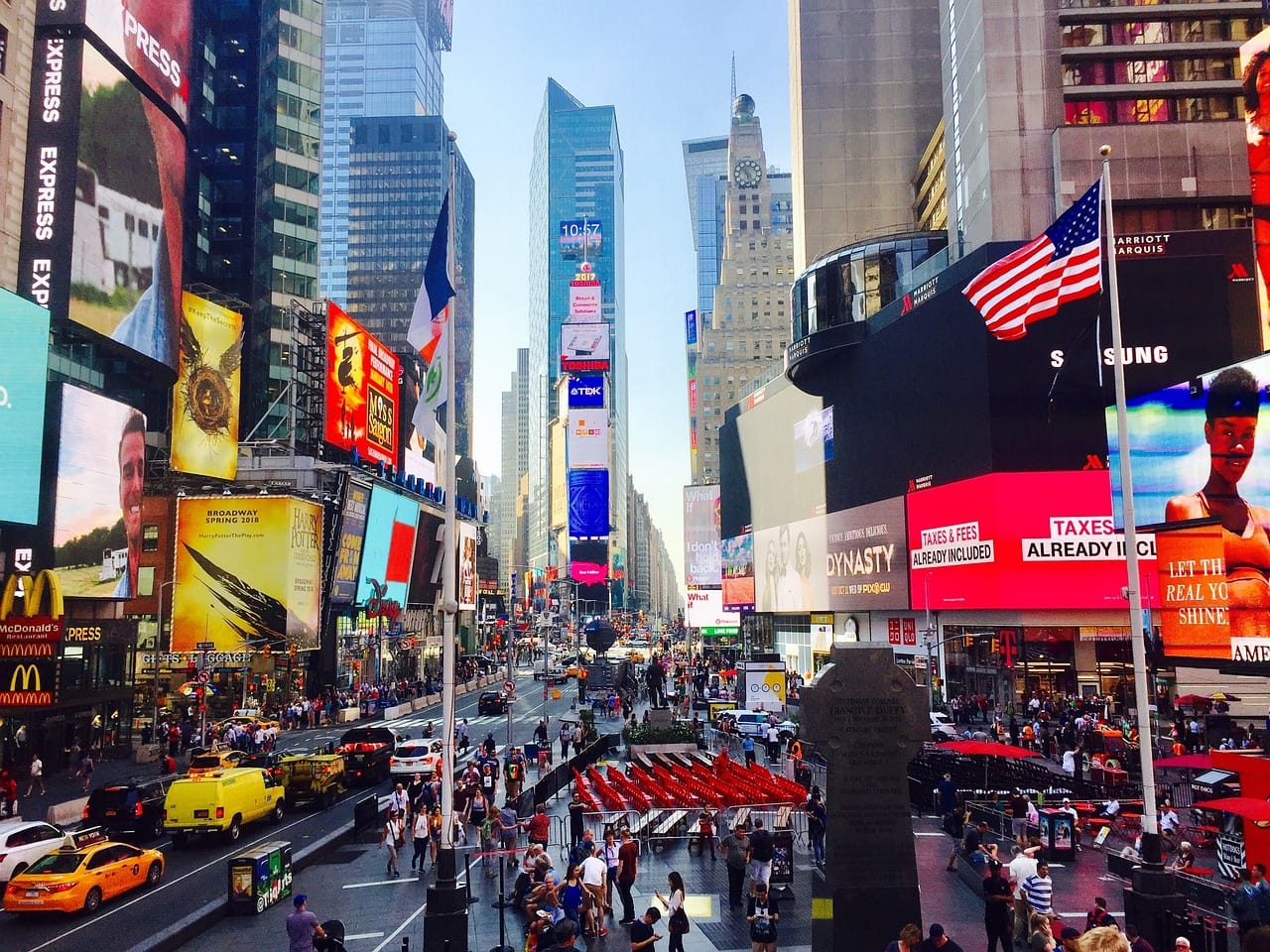
- The heart of the city and the base for your trip is Times Square, which is just a short walk from all the midtown attractions and sites.
- Since getting around the city is really easy and convenient with the subway (and buses too), there's no problem reaching any neighborhood or borough in the city.
- Downtown Manhattan isn't large geographically, but it's packed with skyscrapers, bridges, and plenty of attractions, including a free ferry ride to the Statue of Liberty on the ferry to Staten Island departing from Battery Park.
- Downtown Manhattan neighborhoods such as the Lower East Side, the East Village, SoHo, Chinatown, Greenwich Village and the NYU campus around Washington Square Park are must-visit places
- From Midtown, it's easy to get to Uptown, to the Museum Mile at the Upper East Side, along Central Park and the beautiful streets of the Upper West Side
- From Manhattan, it's worth venturing into the neighboring boroughs, whether it's the area around Prospect Park in Brooklyn, the Flushing Meadows in Queens, or the zoo and botanical gardens in the Bronx
Map of New York City
Detailed Itinerary of the Travel Days
Day Trip 1: Manhattan – The Main Squares of Midtown – From Times Square to Union Square
On the first day of our tour, we'll try to capture the full intensity of Midtown Manhattan. The day's walk will focus on the famous squares along Broadway, from Times Square, through Herald Square, Madison Square, and Union Square. We'll stroll along a route between the squares, including all the sites and attractions near the main axis. This is the heart of Midtown, featuring skyscrapers like the Empire State Building and the Flatiron, and the streets of the Theater District, Garment District, Koreatown, and the Flatiron District.
Times Square Area
- We'll start our Manhattan tour at the most central junction in the USA, at the intersection of Seventh Avenue and Broadway – Times Square. The square is the heart of the Theater District and a fantastic place for shopping. We'll skip all the fun and start the tour (of course, it's worthwhile to visit the square separately for shopping, dining, or strolling in the evening).
- Around the square, there are several important towers and buildings including the MTV Studios, from where they broadcast live and film the square below, the legendary Sardi's Restaurant, the Westin Hotel, the Fairmont Hotel, the Paramount Building, and several large theaters, including the Lyceum and Minskoff. Another icon in the square is the news ticker on the facade of the Morgan Stanley Global Headquarters building, where the New York Stock Exchange data scrolls.
- From the square, we'll walk half a block on West 45th Street to Shubert Alley, the ground zero of Broadway and the New York theater world. In the alley are the Booth Theatre and Shubert Theatre. In the nearby streets, there are many more active theaters such as the Broadhurst, St. James, The Hayes, Gerald Schoenfeld Theatre, Bernard B. Jacobs Theatre, the Majestic, and more.
- From the square, we'll head east on 42nd Street and arrive at Bryant Park. Usually, the park is a lovely green place where sometimes various fairs, fashion shows, or even filming for series and movies take place.
- On the eastern side of Bryant Park stands the impressive building of the public library. At the front of the library on Fifth Avenue, you'll find classical pillars and Greek-style sculptures in Renaissance niches with Corinthian capitals, along with the well-known lion statues. The main reading room is a huge, magnificent space that combines a wealth of light streaming in from outside, illuminating the millions of books and periodicals in the library.

South Midtown
- From the library, we'll head south down Fifth Avenue and walk seven blocks past towering skyscrapers until we reach the masterpiece of New York's Golden Age. We'll enter the Empire State Building and ascend to the iconic observation deck, 382 meters above the bay. On the way, we stop at the first observation deck on the 86th floor and then take another set of fast elevators to the 102nd floor of the building.
- We'll exit the magnificent skyscraper, walk one block south, and head west on 32nd Street through what's known as Koreatown until we reach Herald Square, where Broadway intersects with Sixth Avenue.
- At the northern end of the square, we'll enter the giant Macy's department store, the largest store in the USA.
- We'll cross the store lengthwise and exit on Seventh Avenue right to the plaza of the Madison Square Garden round building. This is the home stadium of Manhattan's two famous teams – the New York Knicks (basketball) and the New York Rangers (hockey). Below the stadium is the structure of Pennsylvania Station or Penn Station.
- On the southern side of the stadium, we'll see the beautiful facade of the Catholic Church of St. John the Baptist from the 19th century. We'll be impressed by the church's stunning interior and head back to Herald Square.
Flatiron, Gramercy Park, and Union Square
- From Herald Square, we'll head south on Broadway until we reach Madison Square Park, where the diagonal street intersects with Fifth Avenue. The square features beautiful statues, a fountain, and monuments.
- On the southern edge of the square stands one of Manhattan's most unique and iconic skyscrapers – the Flatiron Building. The building's structure is a sharply-angled triangle with its very narrow front facing Madison Square Park, echoing the path of Broadway. The structure was completed in 1902 and is considered one of New York's architectural gems.
- From Madison Square, we'll head east to the beautiful streets surrounding Gramercy Park. The park's gardens are closed (open only to residents living nearby), but we'll stroll around and admire the lovely mansions and the National Arts Club.
- From the park, we'll head a bit west and then south down Park Avenue South to Union Square. The square is known for its natural and organic culinary shops, including a famous organic food market held there. Surrounding the square are numerous shops, bookstores, and a huge Whole Foods Market on its southern side.
Day Trip 2: Manhattan – Upper Midtown and Midtown East
Our second day of the trip will focus on the incredible wealth of the area between Times Square and Central Park, and the iconic avenues of Midtown East – Fifth Avenue, Madison Avenue, Park Avenue, and Lexington. This is the heart of New York's shopping world (on the more luxurious side), in the shadow of some of the most iconic skyscrapers in the world, combined with important museums such as MoMA and the power of Rockefeller Center.
Upper Midtown
- We will start our tour of Upper Midtown at Columbus Circle, where Broadway meets Eighth Avenue, and the southwest corner of Central Park.
- At the circle, we'll enter the Museum of Arts and Design, which houses a huge collection of more than 2,000 design pieces that were considered groundbreaking in their time.
- From the museum, we'll walk on West 59th Street on the edge of the park and head a block south to Alwyn Court, considered one of the most prominent and ornate residential buildings in the city.
- Let's continue south for one block on Seventh Avenue and reach Carnegie Hall, the largest and probably most famous concert hall in New York.
- From Carnegie Hall, head one block south to the New York City Center – the urban hub for music and dance known for its unique Moorish-Spanish architecture.
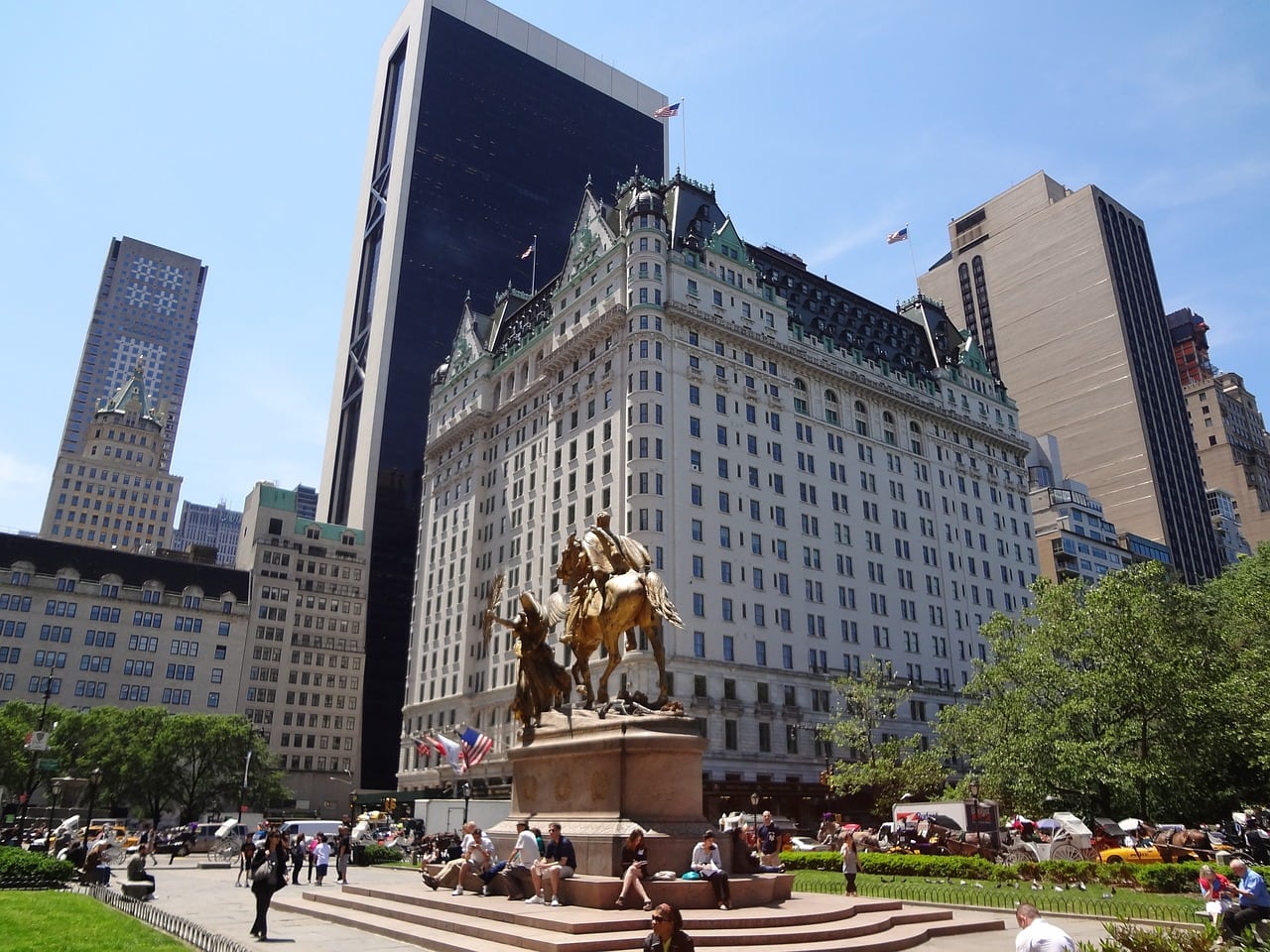
- We'll head north on Sixth Avenue to the boundary of Central Park and walk to the park's southeast corner where the Plaza Hotel, perhaps the most iconic hotel in New York, is located.
- Let's move on to the Grand Army Plaza, home to the famous Apple Store.
Fifth Avenue
- From the plaza, we'll continue east on 59th Street to Lexington Avenue, where the famous Bloomingdale's department store is located. The flags above the store's entrance have appeared in numerous movies (especially in the series “Friends”), and there's hardly an American show set in New York where the characters haven't paid a visit to the department store at least once.
- From Bloomingdale's, head south on Lexington Avenue to the Central Synagogue of New York, one of the largest and most famous synagogues in the world. From the synagogue, walk two blocks north to East 57th Street and head west towards Fifth Avenue to Trump Towers. These towers epitomize the skyscraper genre of the '80s, full of grandeur with black granite facades. Explore the building's kitschy interior, and don't miss the famous Tiffany & Co store (from Truman Capote's Breakfast at Tiffany's and of course, the song).
- Adjacent to Trump Tower, you'll see the IBM building. At the entrance, you'll find Michael Heizer's sculpture, Levitated Mass. Across the avenue, another impressive skyscraper stands out, 432 Park Avenue, the fifth tallest building in New York, entirely dedicated to luxury residences.
The Diamond District
- We'll head south along the most luxurious and glamorous part of Fifth Avenue and turn onto West 53rd Street until we reach the entrance to the MoMA Museum. MoMA boasts an extraordinary collection of important paintings from all modern art movements—from Impressionism to the popular culture of the USA in the 1950s.
- From MoMA, we'll continue south on Sixth Avenue until we reach Radio City Music Hall, the giant performance venue located at the northern end of the Rockefeller Center complex.
- Rockefeller Center consists of about 19 commercial and business towers in two complexes. The center spans two entire blocks between Fifth and Sixth Avenues and between 51st and 49th Streets. We'll start our tour at the center by ascending to the Top of the Rock observation deck for a view of the Midtown skyscrapers.
- From the observation deck, we'll head to the ice skating rink plaza, above which stands the famous Prometheus statue, the symbol of the center. We'll exit the center toward Fifth Avenue, where we'll see the Atlas statue carrying the world on his back.
Midtown East
- From Rockefeller Center, we'll set out on a journey along Fifth Avenue, the pinnacle of NYC shopping and one of the most breathtaking urban sights in the world.
- We'll cross the avenue from Rockefeller Center and the Atlas Statue and enter the luxurious Saks Fifth Avenue department store. For those who wish to browse or shop, you can explore this large department store a bit.
- We'll exit the department store and head north to its neighbor – St. Patrick's Cathedral, the most significant church building in New York City.
- From the cathedral, we'll head east on 50th East Street to the impressive Waldorf Astoria Hotel building. The original hotel of the luxury chain was once located where the Empire State Building stands today. The current structure was built in 1931 in stunning Art Deco style.
- Adjacent to the hotel to the north, we'll see the skyscraper of General Electric. Built in the 1930s, the building is a tall, narrow tower topped with a dome inspired by Gothic cathedrals. The Gothic crown complements St. Bartholomew's Church, which is next to it to the west.
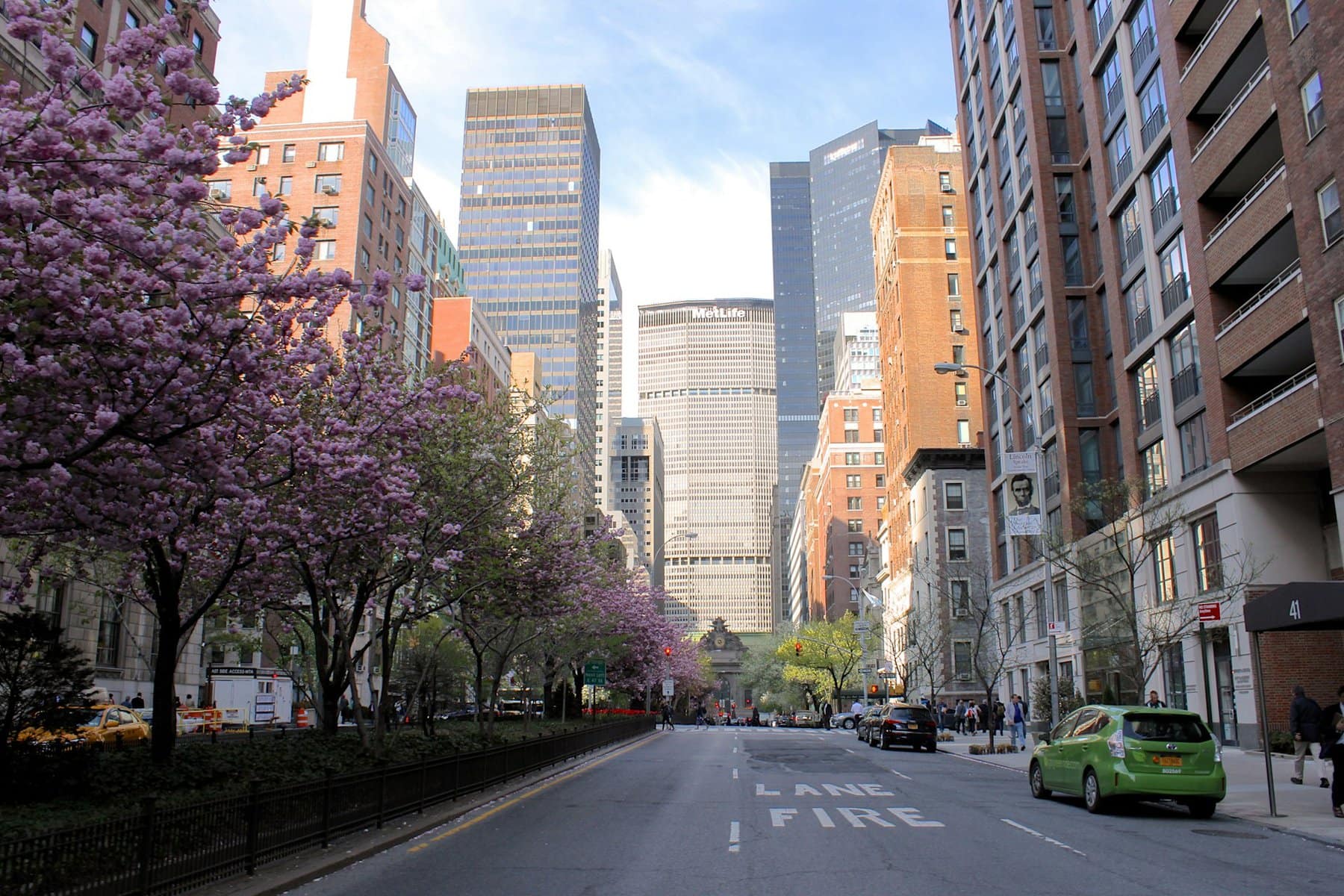
- From the hotel and the General Electric, head south on Park Avenue and behold the stunning view of the MetLife Building, a masterpiece of the International Style. Beneath the skyscraper, enter the magnificent space of Grand Central Terminal, where you'll find the famous four-faced clock at the information booth. Exit through the station's facade adorned with classical sculptures themed on Greek gods.
- From the station, walk one block east on 42nd Street East to reach the Chrysler Building, one of Manhattan's most beautiful and iconic skyscrapers. Atop the tower is an Art Deco spire with layers of circular forms stacked like a pyramid, reminiscent of the radiator cap covers on Chrysler automobile models.
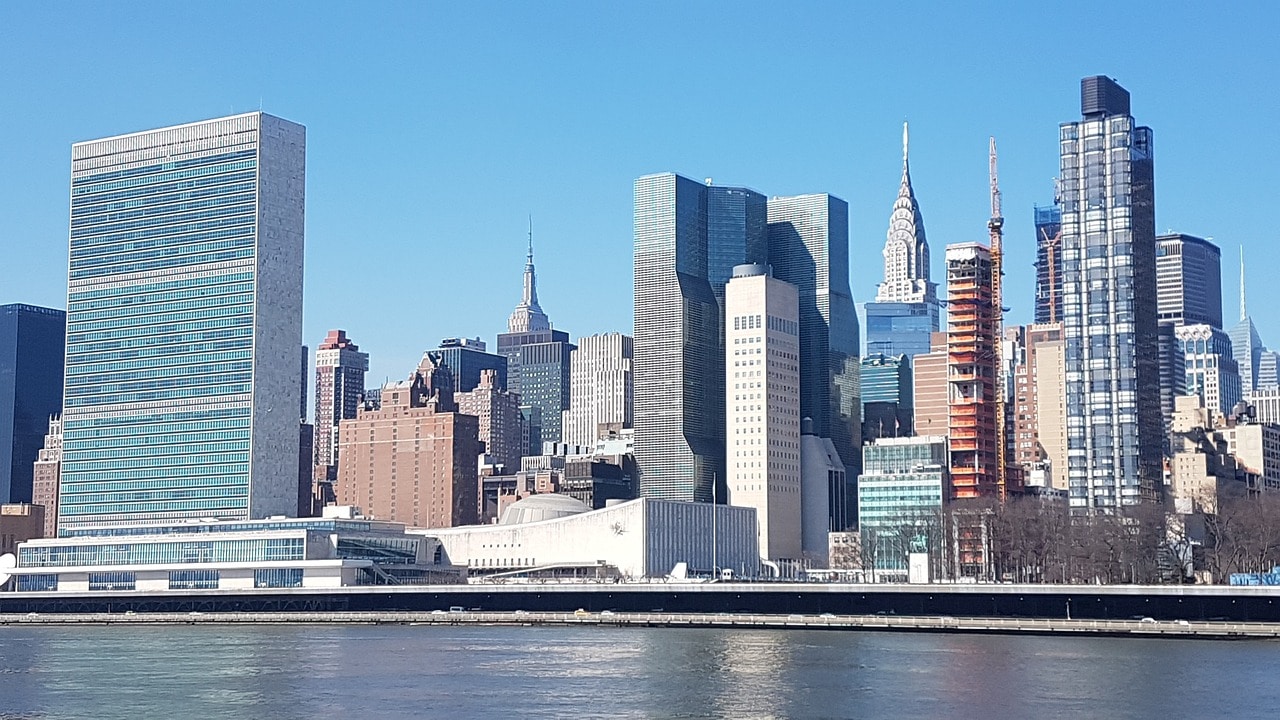
- Continue from the Chrysler Building along 42nd Street East to the United Nations headquarters, which also houses the General Assembly and the conference room for the Security Council. The building was completed in 1951 and overlooks the East River on its far side.
- From the UN building, head north through the elegant Dag Hammarskjold Plaza to Lexington Avenue.
Day 3: Manhattan – Downtown and the Upper Bay Islands
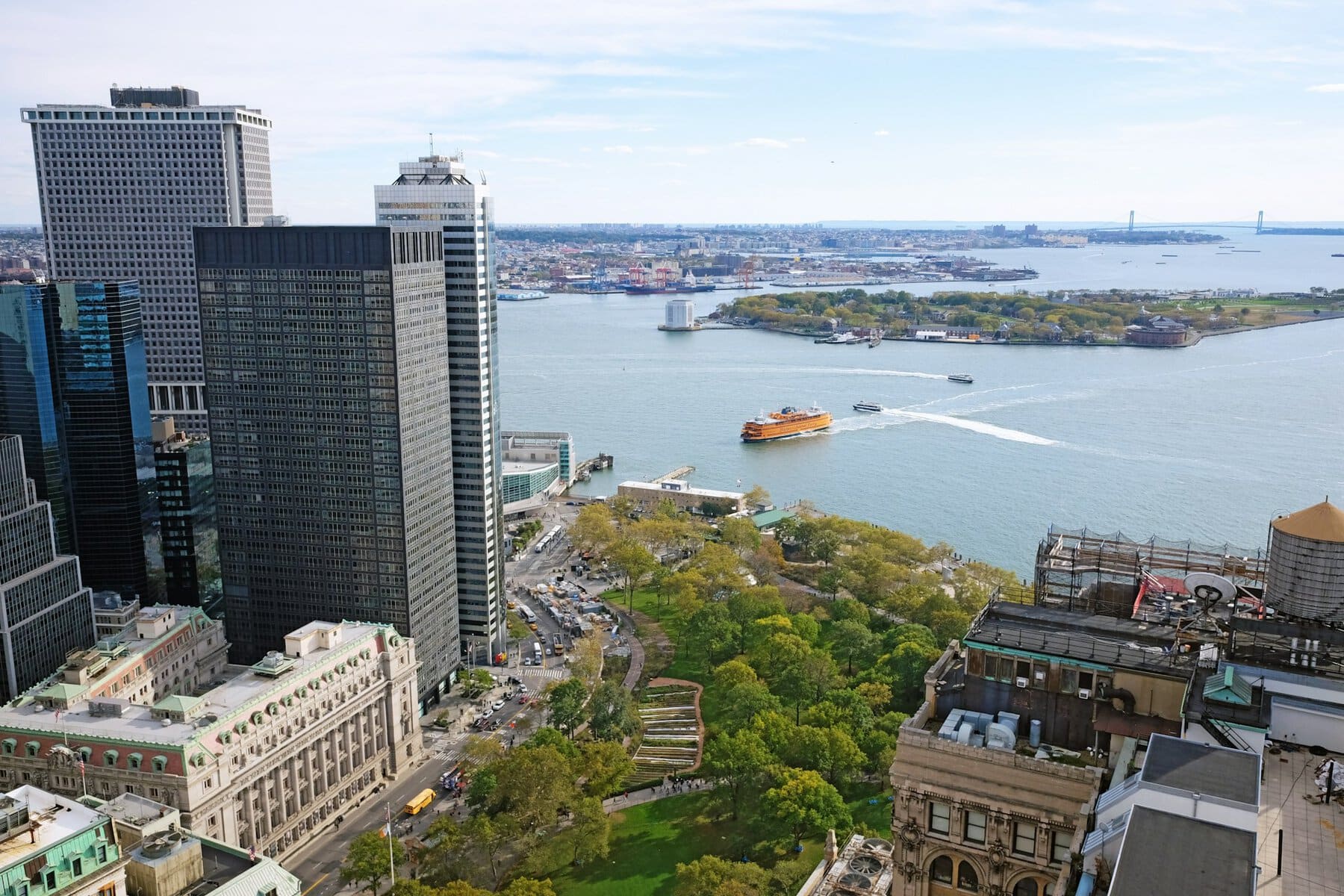
The third day of the trip will focus entirely on Downtown Manhattan, including a particularly fun cruise to Liberty Island and Ellis Island. Downtown Manhattan is the world's financial center. It's home to the New York Stock Exchange on Wall Street, the street that was once the wall of Dutch New Amsterdam.
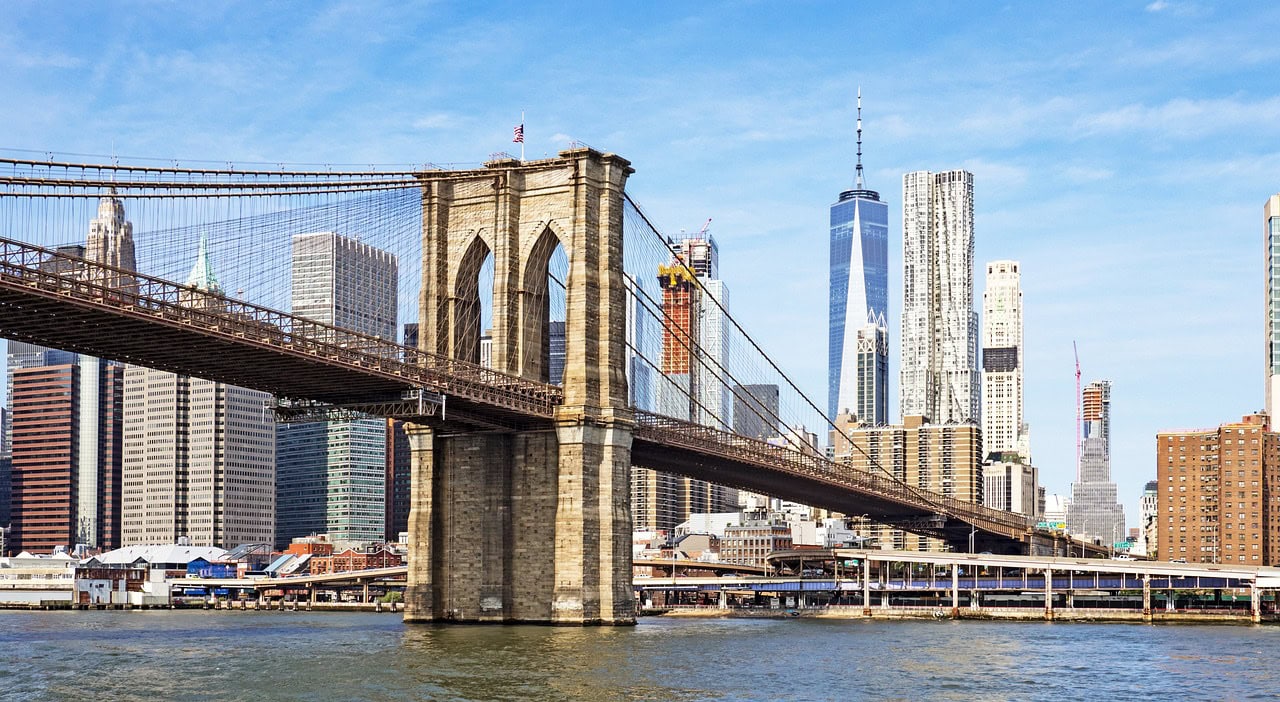
At the tip of Manhattan Island is Battery Park, where the city's defense batteries once stood. A little to the north, along the Hudson River, stands the tallest skyscraper in the west (the CN Tower in Toronto is considered a television tower) – One World. This tower fills the terrible void left by the Twin Towers. On the eastern side of downtown, along the East River, are New York's two iconic bridges – the Manhattan Bridge and the Brooklyn Bridge. Beneath them lies the Seaport entertainment area at Pier 17.
The New World Trade Center and Wall Street
- Let's start our journey in downtown Manhattan at the Freedom Tower or One World Trade Center, the centerpiece of the new World Trade Center complex. We'll ascend to the observation deck on floors 100-102 at an incredible height of 387 meters. From the deck, there's a breathtaking view of the entire metropolis and the Hudson River.
- Descending from the tower, we move to the open pit of the 9/11 Memorial & Museum. What was once Ground Zero remains exposed, with two silent square pools named The Footprints of the Twin Towers, each commemorating the location of a tower's base that fell. Surrounding the pools are bronze panels with the engraved names of the nearly three thousand victims of the terrorist attack.
- From the memorial, we'll enter the museum dedicated entirely to September 11th, located on the eastern part of the site. The entrance to the museum is from the eastern corner of the site, off Greenwich Street. The museum offers a review of the events of the terror attack and includes artifacts from the building's remains. There's a deep space in the museum called the Western Chamber, where you can witness the foundation excavation of the towers.
- From the museum, we'll head east on Liberty Street through Zuccotti Park until we reach Broadway. On Broadway, we head south to the Trinity Church. This church was built in 1864 in a neo-Gothic style and features a spire nearly 90 meters tall. This spire was the tallest tower in New York before skyscrapers were constructed.
- We'll cross Broadway and enter the heart of the global financial world at Wall Street. For finance enthusiasts and those who love the buzz, it’s possible to enter the gallery of the New York Stock Exchange.
- From the stock exchange, we cross the street to enter Federal Hall. On the steps of this neoclassical building, George Washington was inaugurated as the first President of the USA in 1776.

Battery Park, Upper Bay Islands, and Seaport
- From Wall Street, we'll head south on Broadway to Bowling Green Park, where we'll snap a photo with the iconic Charging Bull statue that was placed there surreptitiously in 1989.
- From the Charging Bull, enter Battery Park, and head to the Castle Clinton National Monument. This fortified castle was built in the early 19th century and had a battery of cannons that defended Manhattan.
- Near the fort, we'll board the ferry to Liberty Island (departing from Whitehall Terminal) and sail to the foot of the Statue of Liberty. In the past, you could climb the statue's internal stairs to its top, but after the September 11 attacks in 2001, you can only reach Liberty Island and view the statue from below.
- From Liberty Island, we'll sail to nearby Ellis Island and visit the Ellis Island National Museum of Immigration. The museum tells the story of the immigrants who arrived in the USA and covers the populating of the New World through European immigration. There is also a large digital archive on-site that allows searching through the data for information about docking days and the immigration status of those who passed through.
- From Ellis Island, we will return by ferry to Battery Park and walk through Beaver Street towards the South Street Seaport and Brooklyn Bridge. The seaport is an area at the mouth of the East River into the Upper Bay, which used to be part of New York Harbor. Nowadays, the area has undergone restoration and development and is considered one of the attractive leisure zones in Manhattan, with views of both bridges – the Brooklyn Bridge and the Manhattan Bridge, as well as westward towards the downtown towers. Pier 17 of the harbor has been entirely converted into a complex of restaurants and entertainment places and is regarded as the heart of the visit in the area.
- From the seaport, we'll head to the Brooklyn Bridge. The bridge stretches nearly 2 kilometers long and rises about eighty meters above the East River. If you've got the energy, you can walk across the bridge to Brooklyn, a walk that takes about half an hour (you can return via the Manhattan Bridge, or walk to the middle of Brooklyn Bridge and turn back. You can also return by subway from High St station on the blue line to Manhattan).
Day 4: Manhattan – The Western Neighborhoods of Lower Manhattan – City Hall Park, Tribeca, Soho, Washington Square Park, Greenwich Village, and Chelsea
On the fourth day of our journey, we'll dedicate ourselves to the popular New York neighborhoods between Midtown and Downtown on the west side. We'll kick off the tour at the administrative center of New York located at the northern end of Downtown – City Hall Park. From there, we'll head north through Tribeca to what's called Lower Manhattan – to the bustling Broadway Street in the heart of Soho, and further north toward the New York University campus and the trendy neighborhood of Greenwich Village. We'll wrap up the day with a visit to Chelsea Market.
City Hall Park and Tribeca
- Let's start the day trip in the administrative center of New York City, City Hall Park area. We'll head to the southern edge of the park to St. Paul's Chapel, the last church built in pre-independence New York in 1776. The church was almost destroyed with the collapse of the Twin Towers on September 11, 2001, which were adjacent to it to the west.
- From the church, we'll climb up Broadway northward and see the Woolworth Building from 1913, considered a kind of prototype for the magnificent skyscrapers built after it during the 1920s and 1930s, known as New York's vintage skyscrapers (the Chrysler, the Empire State Building, and more).
- From the Woolworth Building, we'll enter the park itself and reach New York City Hall.
- Walking to the northern end of the park, we'll enter New York's courthouse complex. Architecture enthusiasts should check out these buildings within the complex: the Surrogate's Court, The David N. Dinkins Manhattan Municipal Building, the Thurgood Marshall United States Courthouse, the New York County Supreme Court, and the New York County Criminal Court. Those less interested can admire the beautiful buildings from the outside and continue towards Tribeca.
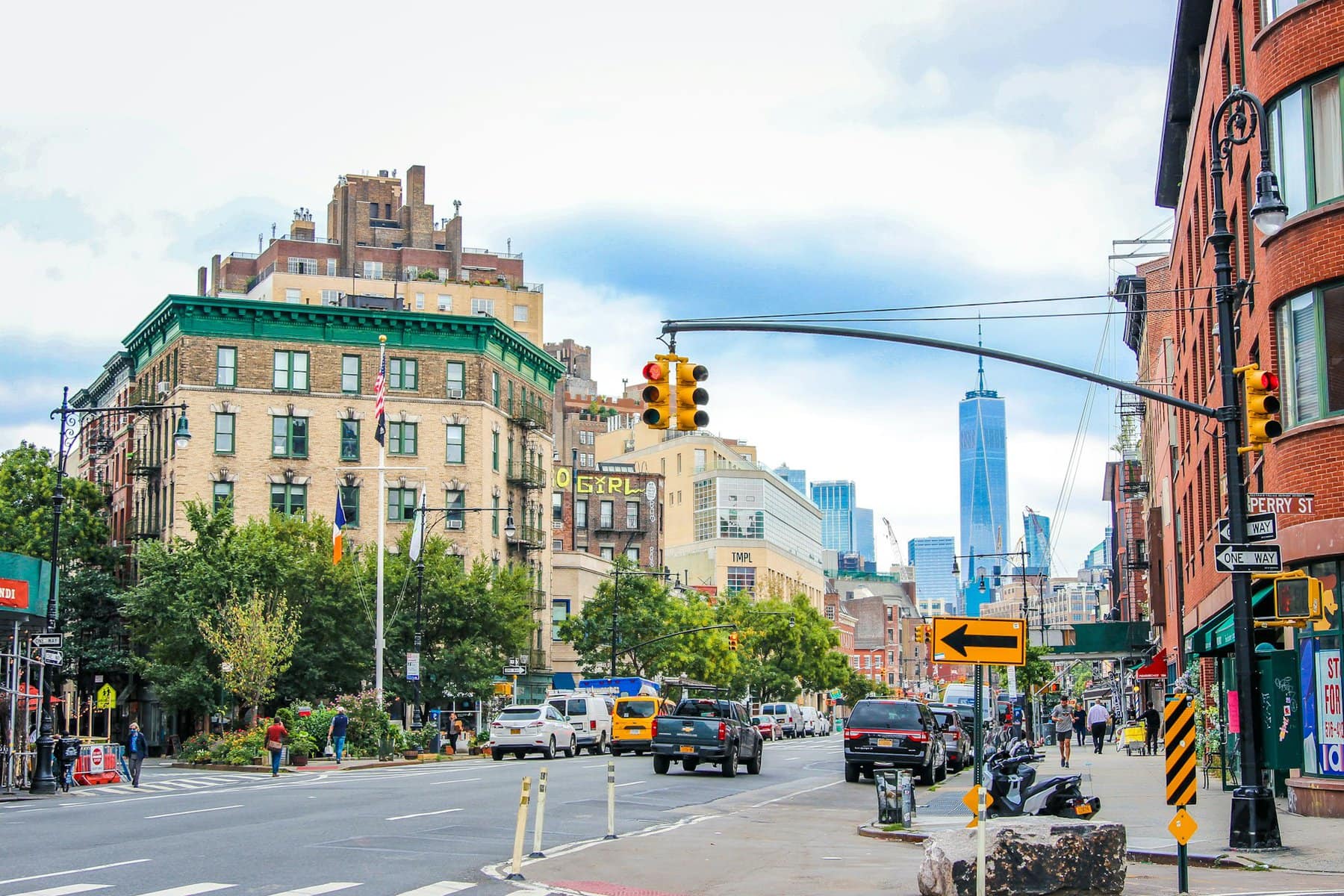
- We'll head west from the northern edge of City Hall Park along Chambers Street to Greenwich Street and go north to Harrison Street, the most photogenic street in the neighborhood. In the area between Hudson Street to the east and Greenwich Street to the west, there are rows of preserved houses originally built in the mid-18th century.
SoHo
- From Tribeca, we'll continue north to Canal Street, walk a bit east, and enter Soho on Greene Street. Greene Street is the heart of the neighborhood, where you'll find unique restaurants, galleries, and boutique shops (unlike the chain stores on Broadway). The most stunning architectural part of the neighborhood is the section on Greene Street between Broome Street to the south and Prince Street to the north. In this segment, there are dozens of cast iron buildings typical of the industrial structures built in the neighborhood since the mid-19th century.
- We'll head along Greene Street to Prince Street, where we'll turn east towards Broadway. On the way, we'll see the small Singer Building. This 1904 building features a combination of Art Nouveau balconies with terracotta bricks over cast iron.
- We'll head slightly south on Broadway to reach the Haughwout Building where a glass factory operated since 1857.
Washington Square Park and Greenwich Village
- We'll head north on Broadway to the New York University campus. Turn west onto West 4th Street and we'll arrive at Washington Square Park. In the southern corner of the square, you'll find the Judson Memorial Church from 1892.
- We'll enter the park, which has a large round fountain at its center, and nearby stands Garibaldi Plaza, featuring the statue of the unifier of modern Italy. On the other side of the fountain is the Alexander Lyman Holley Monument, honoring one of the most important steel engineers of the 19th century.
- We'll reach the park's iconic symbol – the Washington Square Arch, located at the northern entrance, across from the fountain.
- We'll head north from the park on Fifth Avenue, a particularly beautiful and peaceful stretch. Along this segment are two beautiful churches – the Church of the Ascension and the First Presbyterian Church from 1846.
- We'll head back to the lively West 8th Street and walk west towards Greenwich Village. We'll arrive at the Jefferson Market Library, one of New York's most unique vintage buildings from 1877. Today, the building is a branch of the New York Public Library. It stands out on Sixth Avenue with its handsome Neo-Gothic clock tower.
- From the library, we'll head west on Christopher Street and reach Sheridan Square. The square and street are central spots in LGBTQ+ culture, mainly due to the bars that operated there in the 1960s, serving as meeting places for the community.
- Let's continue on Christopher Street to Bedford Street and arrive at the unique Twin Peaks Building. Three buildings down Bedford Street, at the intersection with Grove Street, lies what is known as the “Friends” building. This building is the exterior shot of the apartment building where Monica, Rachel, Chandler, and Joey lived. Today, the building has become a very popular tourist site, attracting many visitors who come to photograph it from the outside.
- From the Friends building, we'll head north on Hudson Street toward the lively Meatpacking District. In the district, we'll visit the Whitney Museum of American Art.
- From the new museum, we'll head north to Chelsea, arriving at Chelsea Market, a huge market complex of restaurants and food vendors that has become a popular hangout spot.
- From the market, we'll head north to West 23rd Street and walk east to the historic Chelsea Hotel, one of the most bohemian hotels in the city.
Day 5: Manhattan – The Eastern Neighborhoods of Lower Manhattan – Lower East Side, East Village, Chinatown, and the Bowery
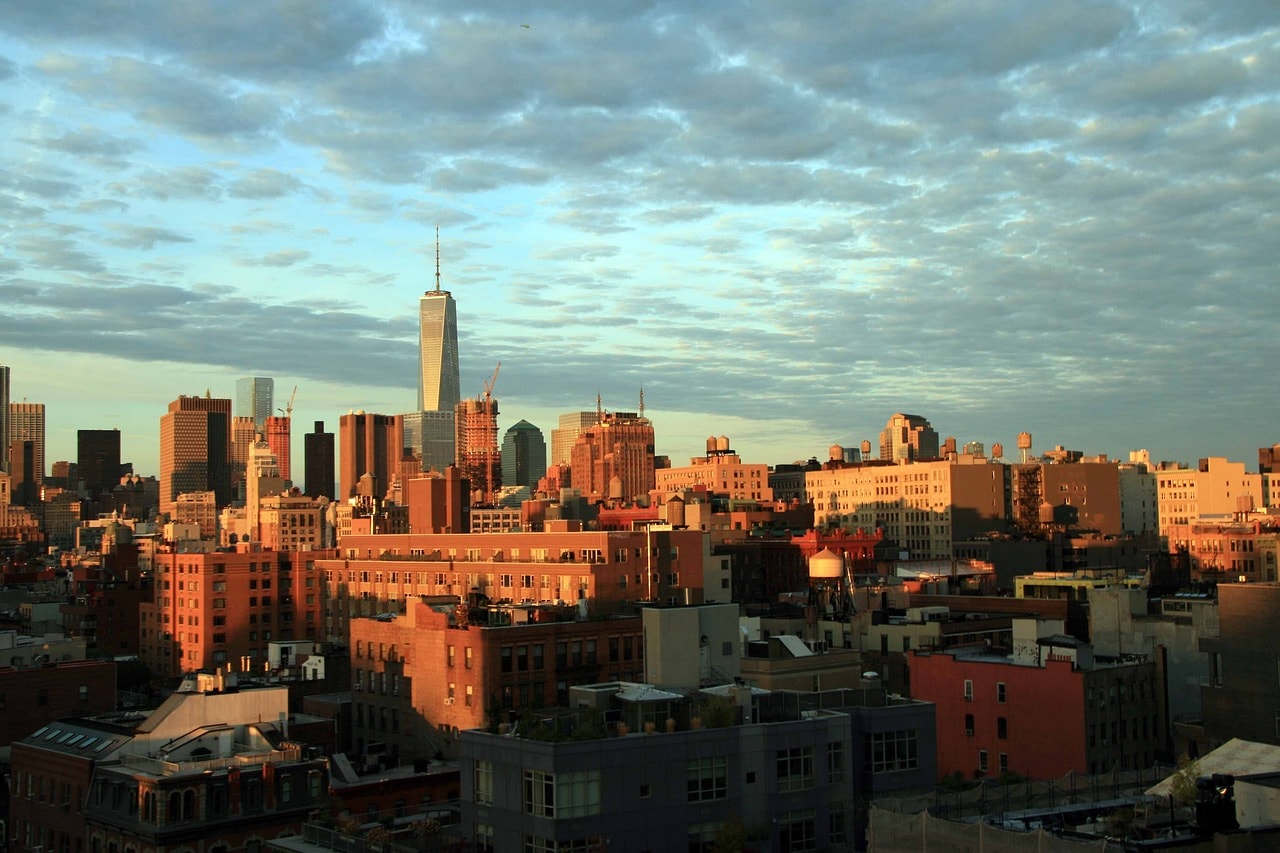
On the fifth day of our trip, we'll explore the unique neighborhoods of Eastern Lower Manhattan. We'll start our adventure at the historic delis of the Lower East Side, the historic home of Jewish immigrants from the Old Continent. From the Lower East Side, we'll head to the East Village and then to the traditional neighborhoods of the Bowery and NoLIta. We'll make our way down towards the bustling Chinatown of Manhattan, the Chinese immigrant neighborhood that has almost swallowed up all of Little Italy. This is a tour rich in flavors and aromas, along with the city's more complex history of New York.
Chinatown and Little Italy
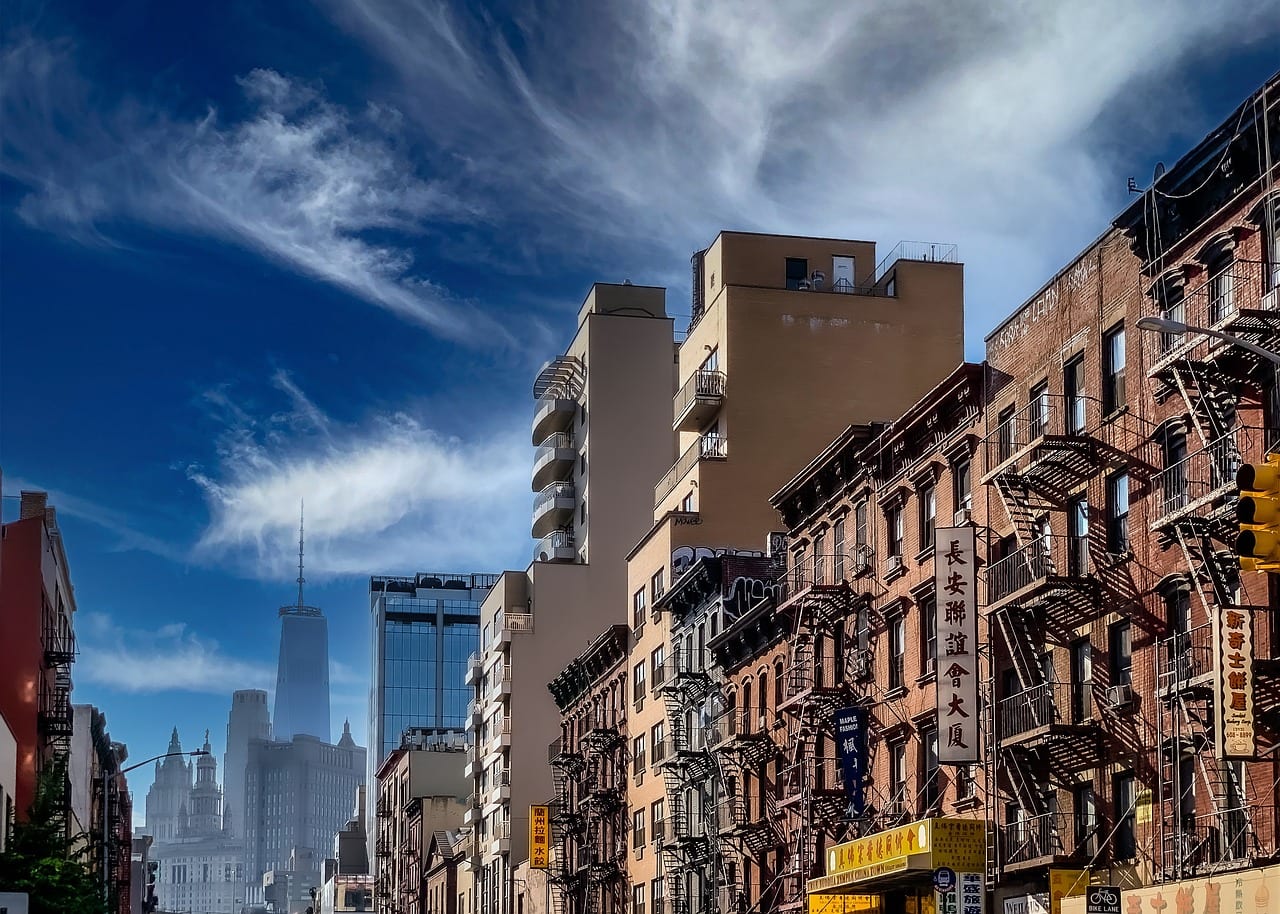
- We'll kick off the fifth day of the trip with a quick hop abroad. The subway station at Broadway Canal Street is practically the unofficial gateway to Chinatown.
- We'll head a bit east on Canal Street and enter Mulberry Street, which leads north to the heart of Little Italy. The streets of Little Italy still maintain their Italian character, with flag colors and cultural elements from the boot-shaped country. On Mulberry Street, the Festa di San Gennaro is celebrated every September, a festival that commemorates and tells the story of Italian immigration to America.
- From Little Italy, we'll head back south and walk east on Canal Street through the market of Chinatown or the Canal Street Market. On the eastern side of the market, we'll go south on Mott Street towards the bend of death at Doyers Street.
- In the southern part of the pedestrian area, there's a sharp bend eastward known as the site of gangland executions in New York at the start of the 20th century, mainly during clashes between Italian and Irish immigrant gangs.
- At the end of the street, there's a large plaza formed between Bowery Street to the west and the ramp leading up to the Manhattan Bridge. The plaza is known as Confucius Plaza. It's a relatively open space in the dense neighborhood, featuring a statue of Confucius.
The Lower East Side
- We'll cross the border from Chinatown to the Lower East Side and visit the Museum at Eldridge Street, the magnificent synagogue of the former Jewish neighborhood.
- From Eldridge Street, we'll walk on East Broadway to the Bialystoker Synagogue, established by Jews from Bialystok in what used to be a church.
- From the Bialystoker Synagogue, we'll head to the Delancey St – Essex St subway station, right at the entrance to the Williamsburg Bridge ramp. This area is the ground zero of New York's historic Jewish quarter, and its influences are still visible today, especially in the vintage delis on East Houston Street.
- Near the bottom, you'll find Essex Market, a retail market where vendors from the Lower East Side were relocated in the 1940s.
- From the market, we'll head to the Tenement Museum, a small and charming museum that recreates the living conditions of the Lower East Side during its notorious golden age.
- From the museum, we'll head north on Orchard Street, which was once the Jewish market street and today is a trendy street with restaurants and galleries.
- Exiting Orchard Street onto East Houston Street, we'll enter Katz's Deli, one of New York City's historic and hysterical delis. For dessert, we'll walk two blocks west to Yonah Schimmel's Knish Bakery, one of the most unique bakeries in New York.
- From East Houston Street, we'll head west toward the Bowery. We'll arrive at the New Museum of Contemporary Art, housed in a unique and modern building composed of six concrete cubes dominating the street.
The Bowery and East Village
- We'll head north on Bowery Street to Cooper Union, the free college initiated and built by Peter Cooper, the father of America's railroad building. The college is still active, offering free education and considered one of the most sought-after in the U.S.
- In the heart of the Bowery, we'll also be impressed by the massive red brick structure of The Public Theater and the historic Bayard-Condict Building designed by architect Louis Sullivan, one of Chicago's foremost skyscraper architects. This building is considered a link between the Chicago skyscraper concept and Manhattan itself.
- From the heart of the Bowery, we'll head east to the historic St. Mark's Church in the Bowery, at the center of what is today the Ukrainian Village.
- From the church, we'll continue east through Alphabet City in the East Village to Tompkins Square Park, the heart of the district. In the 1960s, the park was the place for New York's hippies, but later it took a turn with the punk culture of the 1970s, and until a few years ago, it was a place you really didn't want to visit. With the neighborhood's transformation, the park has also become more visitor-friendly.

Day 6: Manhattan – Uptown – Upper East Side, Upper West Side, and Central Park
The sixth day of the trip will be dedicated entirely to Uptown New York City. We'll start in the eastern part of Uptown Manhattan, the Upper East Side, a mix of luxurious residential buildings and important New York institutions. Museum Mile on Fifth Avenue is among New York's must-see sites (you can't visit all the museums in one morning, it's highly recommended to choose based on personal preferences).
On the other side of Central Park, the Upper West Side of Manhattan is largely a quiet, upscale residential area. The Upper West boasts a variety of famous skyscrapers (mostly residential), important museums, and a lot of everyday New Yorker shopping. In the middle, Central Park is a romantic and charming place filled with attractions, streams, sculptures, and just a wonderful atmosphere.
The Upper East Side
- We'll start the day trip on the Upper East Side, the eastern part of Uptown Manhattan. We'll get off at the 86th Street station on the green line, right in the heart of the Upper East Side. From the station on Lexington Avenue, we'll walk west on 86th Central Street to Central Park.
- Two blocks north, on East 88th Street and Fifth Avenue, we'll see the iconic building of the Solomon R. Guggenheim Museum. Frank Lloyd Wright's unique structure is just the beginning of the museum's wonderful collection, which includes well-known paintings by the greatest modern artists.
- From the Guggenheim, we'll head two blocks north on Fifth Avenue to the Cooper Hewitt, Smithsonian Design Museum. This is a must-see location for design and fashion enthusiasts.
- From Cooper Hewitt, we'll go another two blocks north to The Jewish Museum, a paradise for Judaica lovers.
- From The Jewish Museum, we'll head south on Fifth Avenue until we see the stunning neoclassical building of The Metropolitan Museum of Art, one of the world's most important art institutions. The Met's collection includes some of the world's most significant paintings, from the Flemish and Italian Renaissance to Modernism. The museum also boasts a vast archaeological and ethnological collection.
- From the Met (at 82nd Street East and Fifth Avenue), we'll head south (you can take the bus) to The Frick Collection. This museum houses a small but extraordinarily high-quality private collection, with an especially thrilling concentration of masterpieces from the greats of the Renaissance and Baroque periods.
- From the Frick Collection, let's head further south on Fifth Avenue to East 66th Street, and we'll see the impressive facade of the Temple Emanu-El synagogue.
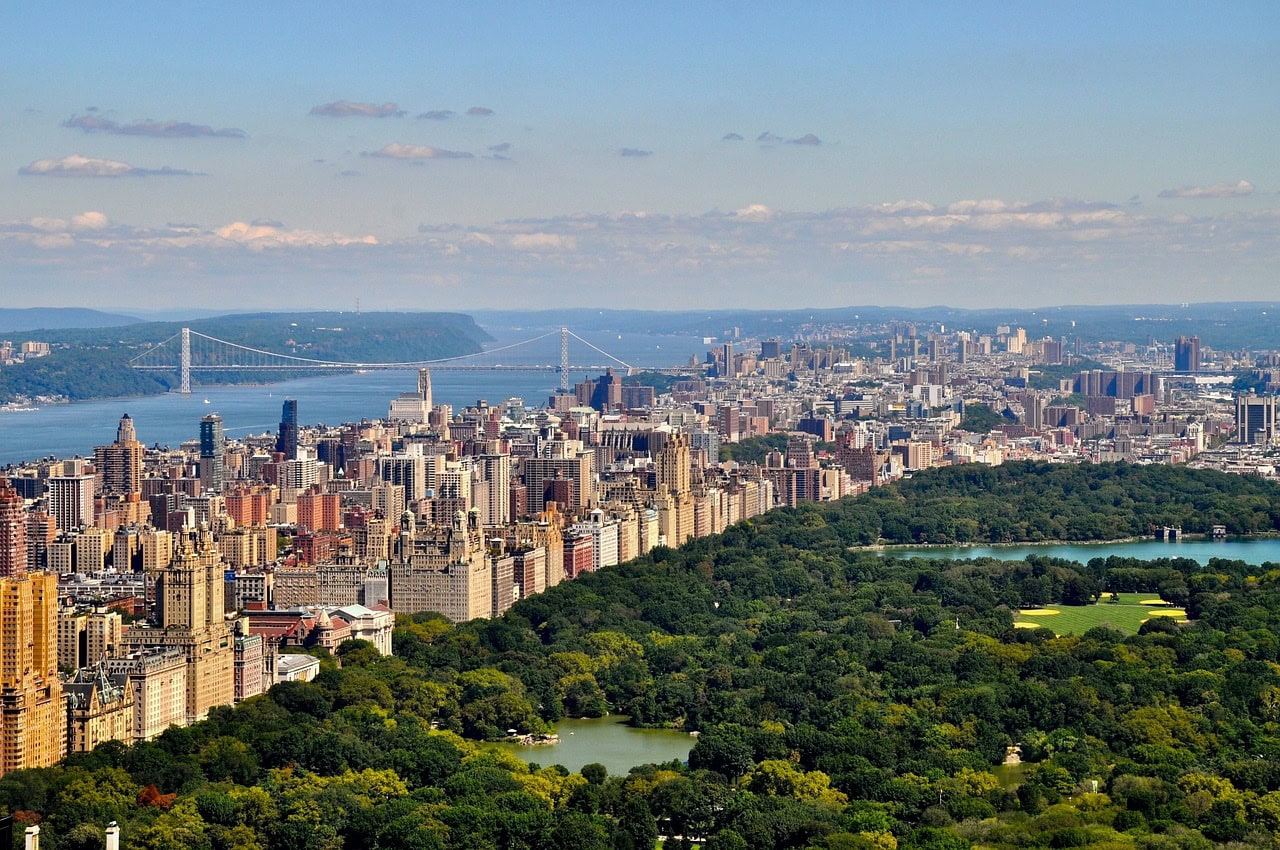
Central Park
- From the synagogue, we'll enter Central Park. Right at the entrance, we'll see the gates of the Central Park Zoo, a fun place to visit with kids and the star of the Madagascar movies.
- From the zoo, we'll walk along 65th Street to The Dairy and Wollman Rink, an ice skating rink that's a landmark of the park. We'll continue on the paths westward along the southern part of the park and reach the Umpire Rock.
- From the unique volcanic rock, we'll continue on the paths northward to the number one sunbathing spot in New York City – Sheep Meadow. On a sunny day, the lawn is filled with sunbathers and families having picnics.
- We'll continue north from the grass along the paths in the western part of the park and across from the famous Dakota Building, we'll arrive at Strawberry Fields, a memorial site for the building's most famous resident (and whose life was taken at its entrance), John Lennon.
- From Strawberry Fields, head east to The Lake and we arrive at the Victorian Cherry Hill fountain in what is known as The Mall and Literary Walk. We'll gaze upon the lake at the foot of the terrace where the Bethesda Fountain is located.
- We'll circle the lake from the east and reach the famous Alice in Wonderland statue near the reservoir where small model ships are sailed.
- From the Alice statue, we'll walk on wooded paths northwest to Belvedere Castle. We'll wander by the castle/amazing scenery, see the Turtle Pond, and the Delacorte Theater.
- We'll also pass through the Shakespeare Garden, where there are flowers and plants from the famous British playwright's plays, and head west from the park towards the American Museum of Natural History on the Upper West Side.
The Upper West Side
- We'll visit the American Museum of Natural History, where there is an impressive and accurate display featuring a giant hanging blue whale model and reconstructions of dinosaurs based on paleontological excavations.
- From the museum, we'll head south on Central Park West towards The San Remo, a vintage skyscraper known for its two stunning towers.
- From The San Remo, we'll head south along the avenue and take a closer look at the luxurious Dakota Building.
- From the Dakota Building, we'll enter the district at 72nd Street Central West, walk along it until we reach Columbus Avenue, and head south on foot to the Lincoln Center for the Performing Arts.
- From Lincoln Center, we'll head south on Broadway to Columbus Circle and enjoy some shopping and refreshments at the Time Warner Center.

Day Trip 7 (Optional): The Outer Boroughs of New York City – Upper Manhattan, The Bronx, Queens, and Brooklyn
On the seventh day of the trip, we will leave Manhattan's concrete jungle for everything there is to see in New York City outside the intense island. Unlike other day trips, this is a tour primarily based on the excellent subway system of the big city.
Here we offer an option of three routes:
- A walk in Downtown Brooklyn, around Prospect Park. We will finish the day with a trip to Coney Island, the birthplace of amusement parks.
- A tour in the northern part of Manhattan and the Bronx. We'll start in the Morningside Heights area and the Columbia University campus, then proceed north to The Cloisters at the tip of the island and cross over into the Bronx borough.
- A tour in Flushing Meadows in the Queens borough
Day Trip 7 (Optional): Prospect Park Area in Brooklyn and Coney Island
Prospect Park Area in Brooklyn
- On the red line (lines 2 or 3), head south from Times Square or Wall Street to the Grand Army Plaza subway station at the northern edge of Prospect Park in Brooklyn. We'll start our tour at Grand Army Plaza. The impressive square was originally designed as the official entrance gate of Prospect Park in 1870. The plaza's symbol is the giant Soldiers and Sailors Memorial Arch, a striking triumphal arch leading to the park paths, set in the square in 1892.
- We'll head slightly east and enter the Brooklyn Museum, which houses a collection of art by the great European masters and a fascinating archaeology collection.
- From the museum, we'll go to the Brooklyn Botanic Garden in its southern part and visit the Cranford Rose Garden and the Japanese Garden, where every spring there's a stunning cherry blossom display, true to Japanese tradition.
- We'll enter Prospect Park and circle the lake that dominates the southern part of the park. Surrounding it are plenty of sports activities and opportunities to rent boats for a ride. The park is filled with cute stone and wood bridges, expanses of grass alongside forests, statues and memorials, and even a charming zoo.
- We'll exit from the west side of the park and take a stroll through Park Slope neighborhood. Heading north on Fifth Avenue, the neighborhood's commercial center, all the way to Barclays Center, home court of the NBA's Brooklyn Nets. From there, you can also continue on a short walk to Prospect Heights.
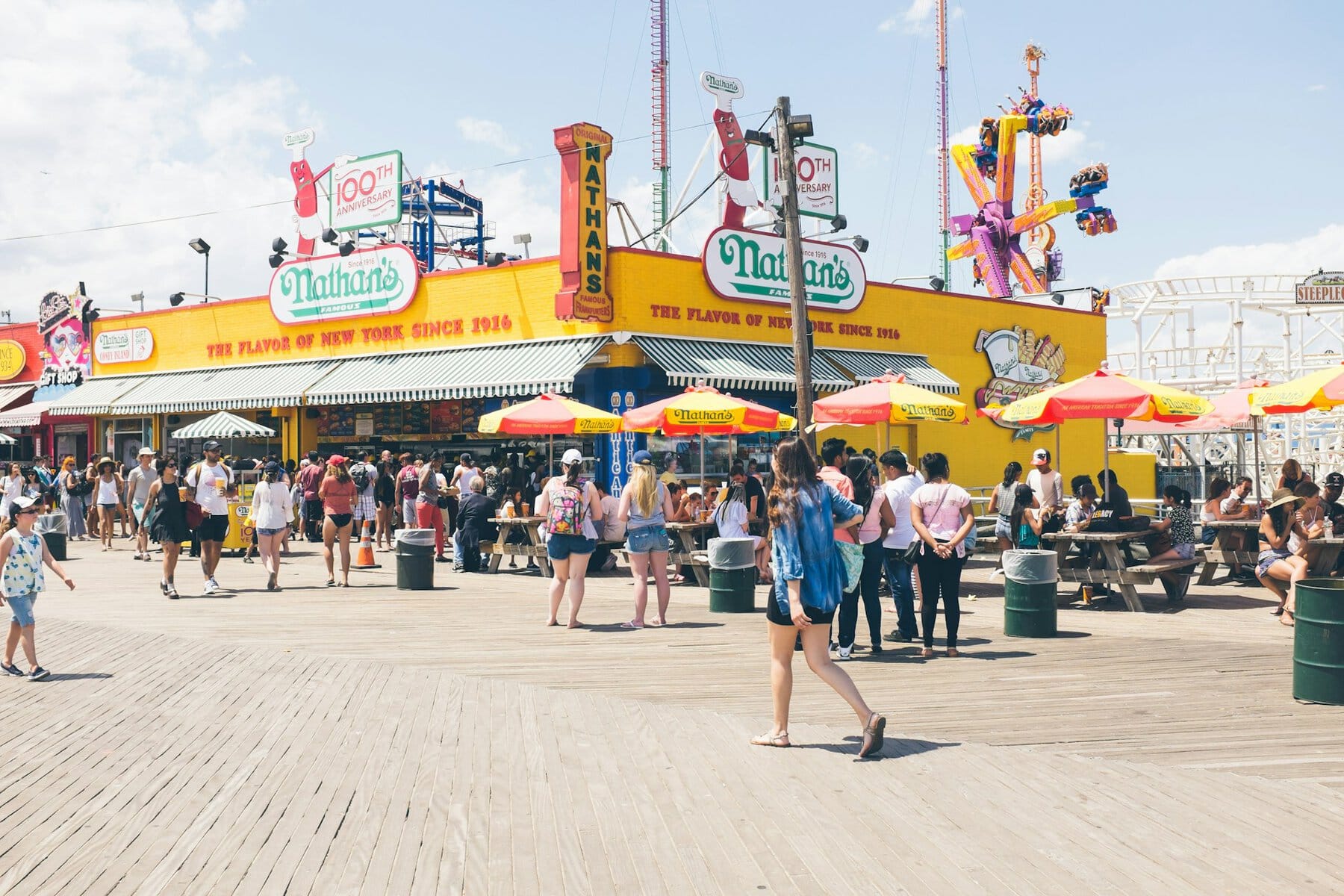
Coney Island
- From the western part of Prospect Park, we'll hop on the F subway line (the orange line) and head south to Coney Island. The Coney Island beach became a part of New York City life with the development of the neighborhood in the late 19th century. The long and wide sandy beach turned into the leisure spot for New Yorkers at the beginning of the 20th century, when homes were built along the coast. Alongside the neighborhood development, a long boardwalk was constructed, where entrepreneurs recognized its tourism potential and built attractions and facilities.
- We'll visit the three amusement parks on the boardwalk – Luna Park, Steeplechase Park, and Dreamland. This cluster of amusement parks was once the largest and most popular in the entire world and drew massive crowds of New Yorkers every day, especially on weekends. Luna Park became a generic name for amusement parks. It's worth entering the amusement park where a few famous rides are still running, like Deno's Wonder Wheel Amusement Park Ferris wheel and the famous roller coaster – the Cyclone.
- Afterwards, you might want to head over to the broad sandy beach, which during the summer days is considered one of the favorite relaxation and leisure spots for the city's residents.
Day Trip 7 (Optional): North Manhattan and the Bronx
Morningside Heights and North Manhattan
- We'll start the outer boroughs day trip in the calmer parts of Manhattan. Get off at the 110th Street West subway station (the red lines) and head north on Broadway towards Columbia University's campus. Two blocks from the station, you'll see the facade of Tom's Diner, one of the best-known New York icons due to its appearance on the show Seinfeld (and it inspired the famous song by Suzanne Vega).
- We'll head east on West 112th Street and reach the Cathedral Church of St. John the Divine. The planned length of this basilica (cross-shaped structure) is nearly 200 meters with a width of 50 meters in the main nave. Despite the traditional appeal in its construction, many modern elements are embedded in the cathedral's decoration, such as the column capitals at the entrance that feature reliefs of New York's skyline, including the Twin Towers.
- From the cathedral, we'll walk a bit north and enter the beautiful St. Paul's Chapel located on the eastern part of Columbia University's campus. The campus itself provides a sort of respite from the noise and shadow of Manhattan's towers, with green spaces alongside neo-classical style buildings.
- We'll head slightly north and west from the campus towards the Hudson River and visit The Riverside Church. The design of the church building is based on the massive architecture of the Chartres Cathedral in France. Due to the unusual appearance of the huge bell tower, which is 120 meters high, the church is essentially a blend of a cathedral with a 1930s New York skyscraper.
- Next to the church, we'll also visit the General Grant National Memorial, styled after Napoleon’s Tomb at Les Invalides in Paris.
- From Grant's Tomb, we'll head a bit north to the 125th Street subway station on the red line and travel north to the Dyckman Street station. We'll cross Nagle Avenue westward and arrive at Fort Tryon Park. This green park is built on a historic hill that was part of the U.S. forces' defense system during the War of Independence.
- In the heart of the park lies the Cloisters Museum, one of the most important museums in New York. It's essentially an extension of the Metropolitan with a display of significant medieval paintings. Do not miss the masterpiece “The Annunciation Triptych” by the Flemish artist Robert Campin. This early work by the master from Flanders outlined the development of what we know as the Northern or Flemish Renaissance.
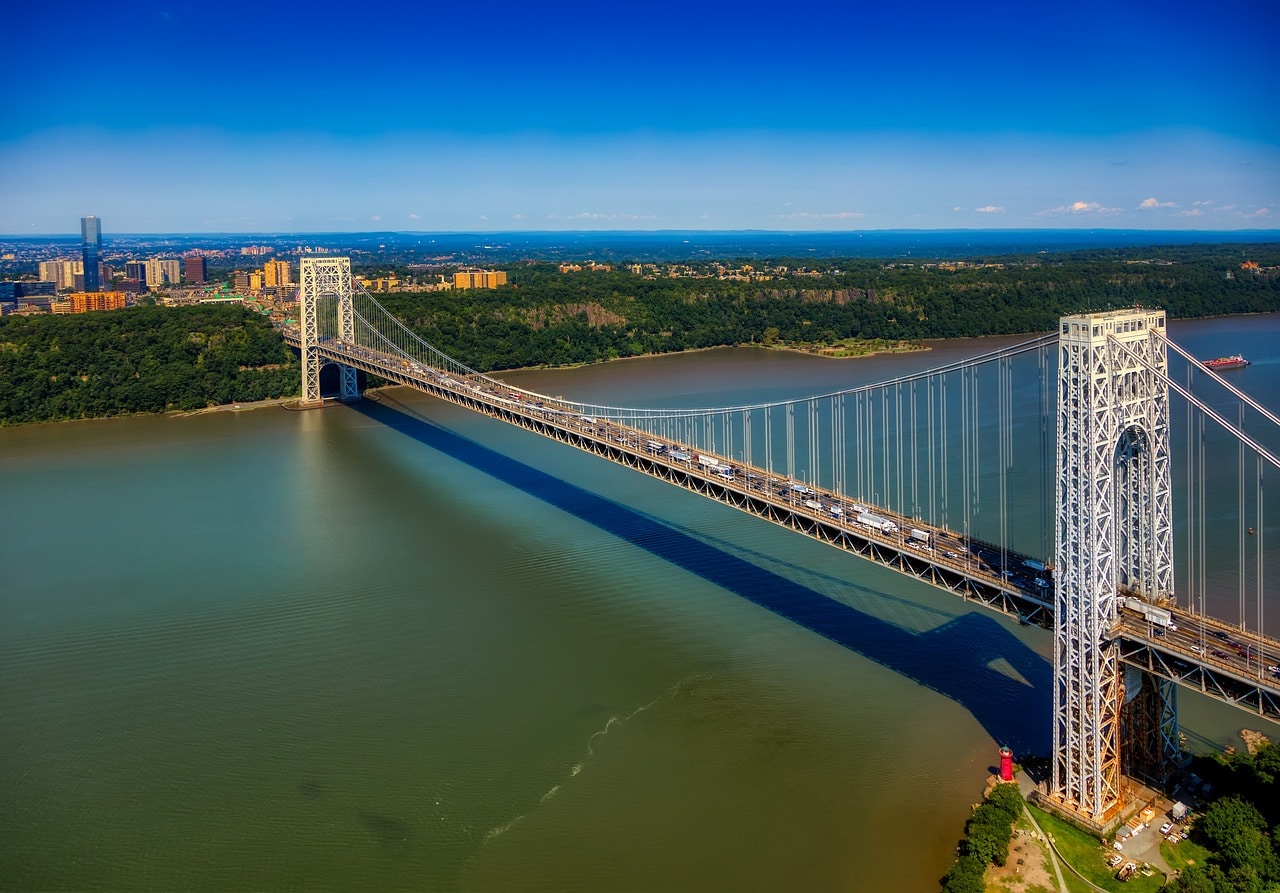
The Bronx
- From the Cloisters, we'll head back to the Dyckman Street subway (not to be confused with the blue line station) and continue to the 242nd Street station (Van Cortlandt). We'll get off at the station and enter the western part of Van Cortlandt Park to visit The Van Cortlandt House Museum. From the house, we'll continue east to the magnificent Woodlawn Cemetery.
- From the park and cemetery, you can continue to the New York Botanical Garden and the Bronx Zoo, which are slightly south (you can take the train one station south from Williams Bridge). Keep in mind that visiting both the botanical garden and the zoo is quite lengthy, so it's advisable to head back to Manhattan afterwards.
- From the eastern part of Cortlandt Park, you can take the green line to 161st Street or Yankee Stadium. The Yankee Stadium has been the iconic home stadium of the city's team since 1923, seating 54,000 people. It is also the fictional workplace of George Costanza in Seinfeld.
Day Trip 7 (Optional): Flushing Meadows Park in Queens
Queens
- From Times Square, we'll take the purple subway line (number 7) and travel east, far from Manhattan. Begin the day trip by exiting at Mets-Willets Point Station, right next to Citi Field, the home ground of the Mets, the Yankees' rivals in the MLS. This is where the legendary Shea Stadium once stood.
- From Citi Field, head south to Flushing Meadows Corona Park, where the 1939 World's Fair was held (and the location of the first UN headquarters). We'll enter the park and reach the cluster of tennis stadiums for the US Open tournament.
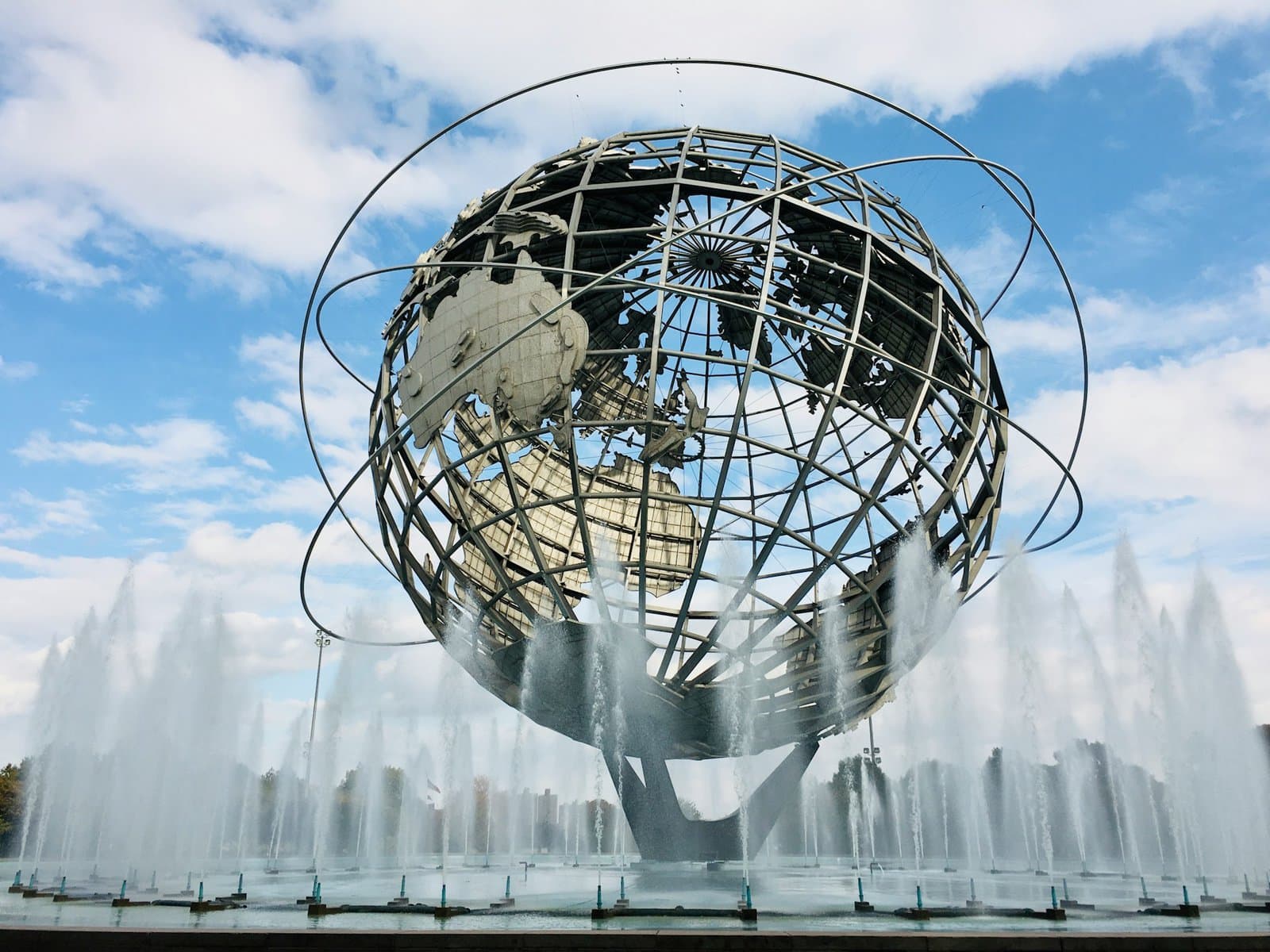
- From the tennis center, we'll reach the park's central plaza, where the Unisphere stands, one of New York's most recognizable symbols, built for the 1964 World's Fair. The Unisphere is a spherical model of a globe on a metal framework sitting in the middle of a pool with fountains that conceal its base. Around the globe, there are several metal rings symbolizing orbit in space, built during America's preparation to travel into space. At the foot of the Unisphere, the dramatic final scene of “Men in Black” was filmed.
- Opposite the Unisphere, we'll visit the round Fountain of the Planets. In the southern part of the park, you'll find the New York State Pavilion with its two prominent observation towers.
- After the park tour, we'll head back to the subway station and return to Manhattan.